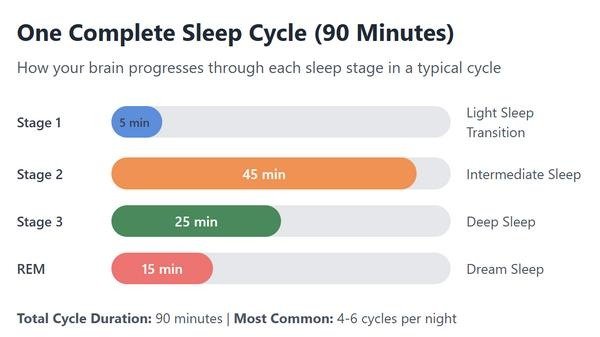
You’ve probably heard that a full sleep cycle lasts about 90 minutes. That’s one of the most common facts shared by sleep experts, sleep calculators, and sleep-tracking apps.
But what does that actually mean?
During the night, your body doesn’t remain in the same sleep stage. Instead, it moves through a repeating pattern of light sleep, deep sleep, and REM sleep. Each complete journey through these stages forms a sleep cycle.
Understanding how long a full sleep cycle lasts can help you improve sleep quality, plan better bedtimes, and wake up feeling more refreshed.
A Full Sleep Cycle Lasts About How Long?
Quick Answer
A full sleep cycle lasts about 90 minutes on average, although individual cycles can range from 70 to 120 minutes.
Most healthy adults complete:
- 4 sleep cycles in about 6 hours
- 5 sleep cycles in about 7.5 hours
- 6 sleep cycles in about 9 hours
These cycles repeat throughout the night and are essential for physical and mental recovery.
What Is a Sleep Cycle?
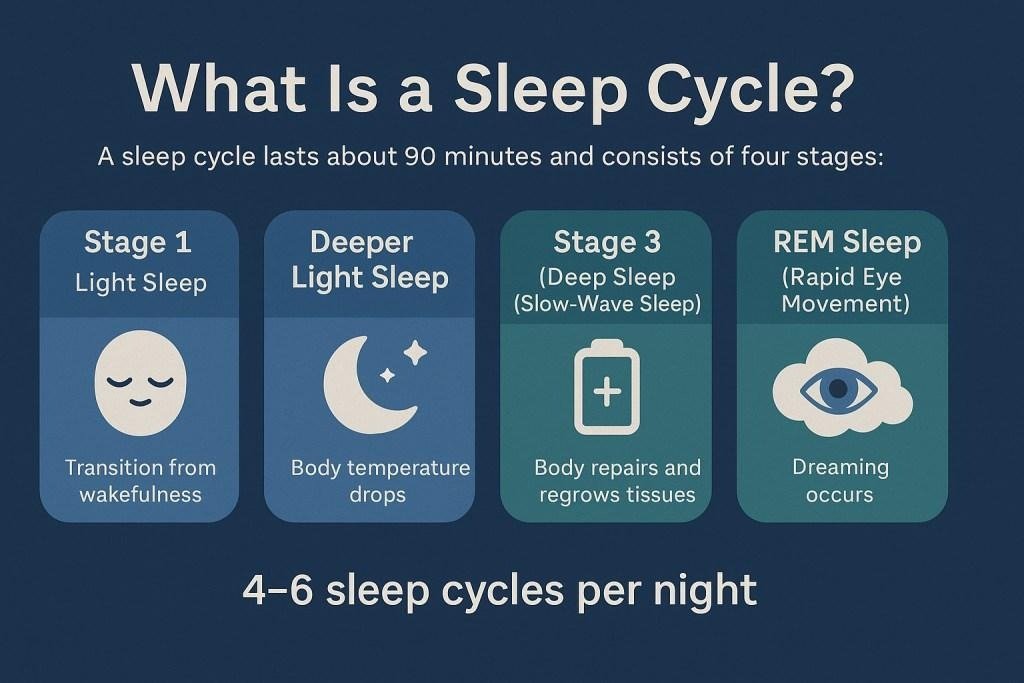
A sleep cycle is the sequence of sleep stages your brain and body move through while sleeping.
Each cycle includes:
- Stage 1 Sleep (Light Sleep)
- Stage 2 Sleep (Light Sleep)
- Stage 3 Sleep (Deep Sleep)
- REM Sleep
Once REM sleep ends, a new cycle begins.
The Four Stages of a Full Sleep Cycle
Stage 1: Light Sleep
This is the transition between wakefulness and sleep.
Characteristics include:
- Slower breathing
- Reduced muscle activity
- Relaxed body movements
- Easy awakening
This stage usually lasts only a few minutes.
Stage 2: Stable Sleep
Stage 2 is the longest sleep stage.
During this phase:
- Heart rate slows
- Body temperature decreases
- Brain activity changes
- Muscles relax further
Most adults spend nearly half of their sleep time in Stage 2.
Stage 3: Deep Sleep
Deep sleep is the body’s primary recovery stage.
Benefits include:
- Muscle repair
- Tissue healing
- Immune system support
- Growth hormone release
Waking during deep sleep often causes significant grogginess.
REM Sleep
REM stands for Rapid Eye Movement.
During REM sleep:
- Dreams become more vivid
- Memory processing occurs
- Learning is reinforced
- Emotional regulation improves
REM sleep becomes longer with each cycle throughout the night.
Why Is 90 Minutes Considered the Average?
Quick Answer
Researchers have observed that most adults complete a full progression through all sleep stages in approximately 90 minutes.
However, cycle length varies based on:
- Age
- Genetics
- Sleep quality
- Stress levels
- Medical conditions
- Medication use
Because 90 minutes is an average, some people naturally experience shorter or longer cycles.
How Many Full Sleep Cycles Do You Need?
Most adults benefit from:
| Sleep Cycles | Approximate Sleep Time |
| 4 Cycles | 6 Hours |
| 5 Cycles | 7.5 Hours |
| 6 Cycles | 9 Hours |
Many sleep experts recommend aiming for 5–6 complete cycles each night.
Individual sleep needs may vary depending on age, health, and lifestyle.
How Sleep Cycles Change Throughout the Night
Not every cycle is identical.
Early Night Cycles
The first few cycles usually contain:
- More deep sleep
- Less REM sleep
Later Night Cycles
As morning approaches:
- Deep sleep decreases
- REM sleep increases
This is why people often remember dreams that occur shortly before waking up.
Why Full Sleep Cycles Matter
Sleep cycles influence how rested you feel when you wake up.
Physical Recovery
Deep sleep helps repair muscles, tissues, and cells.
Brain Function
REM sleep supports learning, memory, and creativity.
Emotional Health
Healthy sleep cycles help regulate mood and stress.
Daytime Performance
Consistent sleep cycles often improve:
- Focus
- Productivity
- Energy levels
- Reaction times
What Happens If Sleep Cycles Are Interrupted?
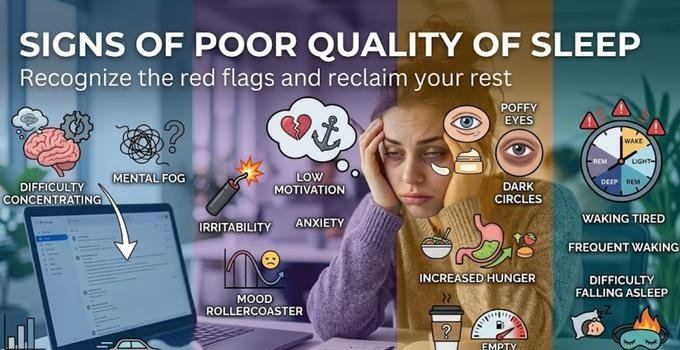
Frequent interruptions may reduce sleep quality.
Common causes include:
- Noise
- Stress
- Sleep apnea
- Restless legs syndrome
- Frequent bathroom trips
Interrupted sleep cycles may lead to:
- Morning fatigue
- Reduced concentration
- Mood changes
- Lower recovery
Even if total sleep time appears adequate, disrupted cycles can affect how refreshed you feel.
Can You Wake Up Between Sleep Cycles?
Quick Answer
Yes. Waking near the end of a sleep cycle often feels easier than waking during deep sleep.
This is one reason many sleep calculators recommend wake-up times based on 90-minute intervals.
Waking at the end of a cycle may reduce:
- Sleep inertia
- Grogginess
- Morning fatigue
How to Support Healthy Sleep Cycles
Maintain Consistent Bedtimes
Regular sleep schedules help stabilize circadian rhythms.
Limit Evening Screen Time
Blue light may interfere with melatonin production.
Reduce Late-Day Caffeine
Caffeine can delay sleep onset and disrupt cycles.
Exercise Regularly
Physical activity often improves sleep quality.
Use Sleep Planning Tools
Helpful resources include:
- Sleep Calculator
- Sleep Cycle Calculator
- Sleep Schedule Calculator
- Nap Calculator
- Jet Lag Calculator
These tools can help optimize sleep timing around natural sleep cycles.
Full Sleep Cycle vs Sleep Duration
| Sleep Cycle | Sleep Duration |
| Measures sleep stages | Measures total sleep time |
| Focuses on sleep quality | Focuses on quantity |
| Repeats throughout the night | Tracks overall hours slept |
Both are important for healthy sleep.
Frequently Asked Questions
A full sleep cycle lasts about how long?
Most sleep cycles last approximately 90 minutes.
How many sleep cycles should adults get?
Most adults benefit from 5–6 complete sleep cycles per night.
Do sleep cycles get longer during the night?
REM sleep periods become longer as the night progresses, although total cycle length remains relatively similar.
Why do sleep calculators use 90-minute intervals?
Because the average sleep cycle lasts about 90 minutes.
Can interrupted sleep cycles affect health?
Yes. Frequent disruptions may reduce sleep quality, recovery, and daytime performance.
Conclusion
A full sleep cycle lasts about 90 minutes and includes light sleep, deep sleep, and REM sleep. Most adults complete four to six cycles each night, with each stage playing a unique role in recovery, memory, and overall health.
Understanding sleep cycles can help you improve sleep timing, build healthier habits, and wake up feeling more refreshed every morning.