
Many people have considered pulling an all nighter to fix a messed-up sleep schedule.
Maybe you’ve been falling asleep at 4 AM and waking up at noon. Perhaps jet lag, shift work, vacation, or a few late nights have thrown off your routine.
At some point, the idea seems logical:
“What if I stay awake all night and force myself to sleep at the right time tomorrow?”
It’s a common strategy, but does it actually work?
The short answer is that pulling an all nighter may temporarily shift your sleep schedule, but it does not truly reset your sleep cycle and often causes more problems than it solves.
Does Pulling an All Nighter Reset Sleep Cycle?
Quick Answer
No, pulling an all nighter does not fully reset your sleep cycle.
While staying awake for an entire day may make you tired enough to fall asleep earlier the following night, your body’s internal clock (circadian rhythm) does not instantly reset.
In many cases, sleep deprivation creates additional fatigue, reduces performance, and may make it harder to maintain a healthy sleep schedule long term.
What Is Your Sleep Cycle?
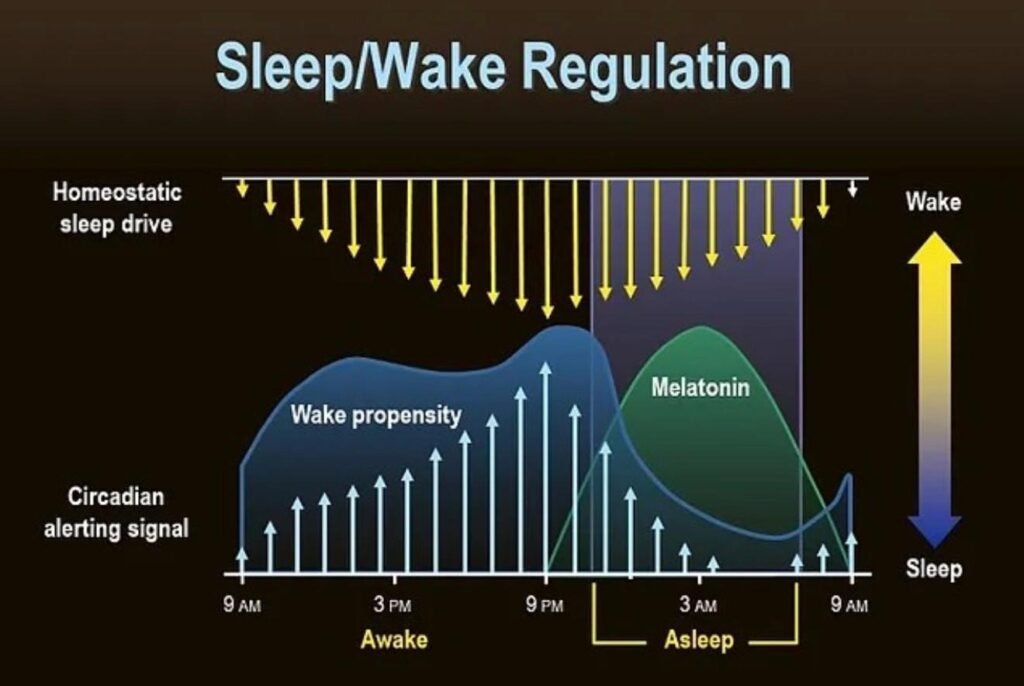
Before understanding whether an all nighter helps, it helps to understand how sleep is regulated.
Your sleep patterns are influenced by two major systems:
Circadian Rhythm
Your body’s internal 24-hour clock controls:
- Sleepiness
- Alertness
- Hormone production
- Body temperature
Sleep Drive
The longer you stay awake, the stronger your body’s desire to sleep becomes.
An all nighter dramatically increases sleep drive, but it doesn’t instantly reprogram your circadian rhythm.
Why People Pull All Nighters to Reset Sleep
People often try this method when:
- Sleeping too late every night
- Recovering from jet lag
- Returning from vacation
- Adjusting after shift work
- Recovering from insomnia
The idea is simple:
Stay awake long enough, become extremely tired, and then fall asleep at the desired bedtime.
While this sometimes creates a temporary schedule adjustment, it comes with significant drawbacks.
What Happens When You Stay Awake All Night?
Quick Answer
Sleep deprivation affects nearly every system in the body.
After one all nighter, you may experience:
- Reduced concentration
- Poor memory
- Slower reaction times
- Increased irritability
- Mood changes
- Reduced physical performance
Research consistently shows that even one night without sleep can significantly affect cognitive performance.
Does an All Nighter Actually Change Your Circadian Rhythm?
Not immediately.
Your circadian rhythm is influenced primarily by:
- Light exposure
- Consistent sleep schedules
- Meal timing
- Daily routines
Staying awake for one night creates extreme sleep pressure, but your biological clock may still signal wakefulness and sleepiness at the same times as before.
This is why many people feel exhausted after an all nighter yet still struggle to maintain a new sleep schedule.

Can an All Nighter Help Temporarily?
Quick Answer
Sometimes, but usually only in the short term.
For example:
If you’re falling asleep at 4 AM and stay awake until 10 PM the following night, you may fall asleep earlier.
However, without proper sleep habits afterward, your schedule often drifts back to its original pattern.
The underlying circadian rhythm still needs time to adjust.
Risks of Pulling an All Nighter
Impaired Thinking
Sleep deprivation affects:
- Attention
- Decision-making
- Problem-solving
Mood Changes
Many people experience:
- Irritability
- Anxiety
- Increased stress
Reduced Physical Performance
Athletic performance and reaction times often decline.
Microsleeps
After extended wakefulness, brief involuntary sleep episodes can occur, especially during driving or repetitive tasks.
Better Ways to Reset Your Sleep Schedule

Shift Your Schedule Gradually
Move bedtime earlier by:
- 15–30 minutes per night
This approach is often more sustainable than pulling an all nighter.
Get Morning Sunlight
Natural sunlight helps regulate circadian rhythms.
Exposure within the first hour after waking can help reinforce a healthy sleep schedule.
Maintain Consistent Wake Times
Waking at the same time daily is often more effective than forcing bedtime changes.
Limit Evening Light Exposure
Reduce:
- Phone use
- Tablet use
- Bright room lighting
before bedtime.
Avoid Long Daytime Naps
Long naps can reduce nighttime sleep pressure.
All Nighter vs Gradual Sleep Reset
| Pulling an All Nighter | Gradual Schedule Adjustment |
| Creates extreme fatigue | Less stressful on the body |
| Temporary results | More sustainable |
| Can impair performance | Supports circadian rhythm |
| Harder to maintain | Easier to maintain |
For most people, gradual adjustment is the healthier approach.
What About Jet Lag?
People often use all nighters after traveling across time zones.
However, jet lag is primarily a circadian rhythm problem.
More effective solutions include:
- Strategic light exposure
- Consistent sleep schedules
- Gradual adjustments
- Jet lag planning tools
A Jet Lag Calculator can help estimate adjustment timelines more accurately.
How Long Does It Take to Reset a Sleep Schedule?
Quick Answer
Most people can begin adjusting their sleep schedule within a few days, although full circadian adaptation may take one to two weeks depending on the situation.
Factors include:
- Time zone changes
- Sleep habits
- Light exposure
- Age
- Overall health
Patience is usually more effective than extreme sleep deprivation.
Frequently Asked Questions
Does pulling an all nighter reset sleep cycle?
No. It may temporarily increase sleepiness, but it does not fully reset your circadian rhythm.
Can an all nighter help fix a sleep schedule?
It may create a short-term adjustment, but the effects are often temporary.
Is pulling an all nighter unhealthy?
Yes. Sleep deprivation can negatively affect concentration, mood, reaction time, and overall health.
What’s the best way to reset a sleep schedule?
Gradually adjusting bedtime, maintaining consistent wake times, and getting morning sunlight are generally more effective.
How long does it take to reset your circadian rhythm?
It often takes several days to a few weeks, depending on the circumstances.
Conclusion
Pulling an all nighter may seem like a quick way to reset your sleep schedule, but it rarely fixes the underlying circadian rhythm issues causing the problem. While it can temporarily increase sleep pressure and make it easier to fall asleep earlier, the effects are often short-lived.
For lasting results, focus on consistent sleep habits, gradual schedule adjustments, morning light exposure, and healthy sleep hygiene practices. These methods work with your body’s natural rhythms rather than fighting against them.
- Sleep Cycle Calculator
- Sleep Calculator
- Sleep Schedule Calculator
- Jet Lag Calculator
- Sleep Quality Index
- Sleep Efficiency Calculation