Many people know whether they slept well or poorly, but measuring sleep quality objectively is much more challenging.
Researchers and sleep specialists use several assessment tools to evaluate sleep patterns, one of which is the Sleep Quality Scale (SQS).
The Sleep Quality Scale helps measure a person’s perception of their sleep and provides a structured way to assess sleep-related issues. It is commonly used in sleep research, healthcare settings, and wellness studies.
In this guide, you’ll learn what the Sleep Quality Scale is, how it works, what scores mean, and how it compares to other sleep assessment tools.
What Is the Sleep Quality Scale?
Quick Answer
The Sleep Quality Scale (SQS) is a self-reported questionnaire designed to measure an individual’s overall sleep quality.
It evaluates different aspects of sleep, including:
- Sleep satisfaction
- Difficulty falling asleep
- Nighttime awakenings
- Sleep restoration
- Daytime functioning
The goal is to provide a more complete picture of sleep health than simply measuring sleep duration.
Why Was the Sleep Quality Scale Created?
Sleep quality is subjective.
Two people can sleep the same number of hours yet have very different experiences.
For example:
- One person wakes feeling refreshed.
- Another wakes feeling exhausted.
Researchers needed a structured method to measure how people perceive their sleep quality.
The Sleep Quality Scale was developed to help quantify these experiences in a reliable and standardized way.
What Does the Sleep Quality Scale Measure?
The SQS evaluates several dimensions of sleep.
Sleep Initiation
How easily you fall asleep after going to bed.
Sleep Maintenance
How often you wake during the night.
Sleep Restoration
Whether sleep leaves you feeling refreshed and energized.
Daytime Functioning
How sleep affects concentration, productivity, and mood.
Overall Sleep Satisfaction
Your general perception of your sleep experience.
Together, these areas provide a broader understanding of sleep quality.
How Does the Sleep Quality Scale Work?
Quick Answer
The Sleep Quality Scale uses multiple questions to assess different aspects of sleep quality over a specified period.
Participants rate statements based on their sleep experiences.
Responses are then combined into a total score that reflects overall sleep quality.
Researchers often use these scores to compare sleep patterns across groups or track changes over time.
Components Commonly Evaluated in Sleep Quality Scales
While versions may vary, sleep quality assessments often examine:
| Sleep Factor | Purpose |
| Sleep Latency | Time needed to fall asleep |
| Sleep Duration | Total hours slept |
| Sleep Continuity | Frequency of awakenings |
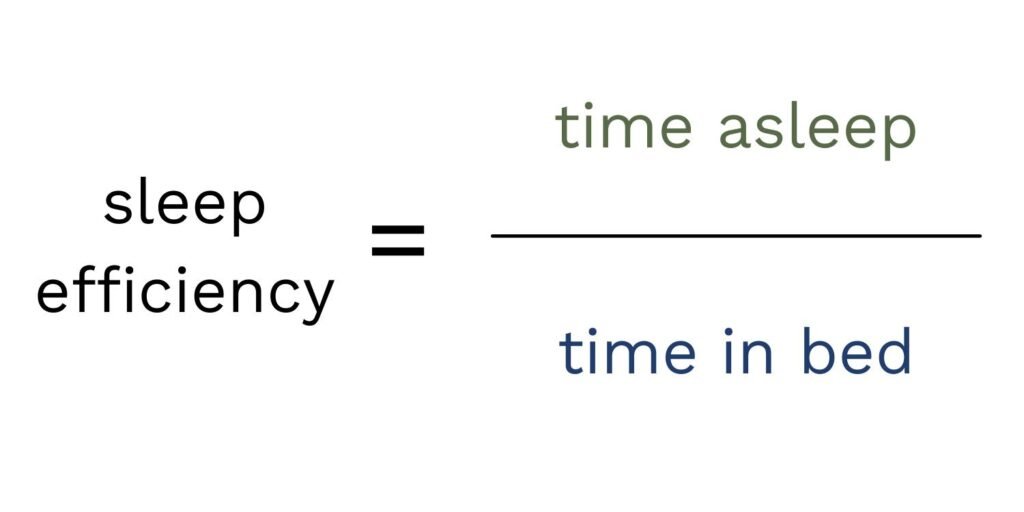
| Sleep Efficiency | Percentage of time asleep |
| Restfulness | Morning recovery level |
| Daytime Alertness | Energy and concentration |
These factors help create a more complete sleep profile.
Sleep Quality Scale vs Sleep Duration
One common misconception is that more sleep automatically means better sleep.
That’s not always true.
| Sleep Duration | Sleep Quality |
| Measures quantity | Measures effectiveness |
| Focuses on hours slept | Focuses on recovery |
| Easier to track | Requires broader evaluation |
A person who sleeps 9 hours with frequent interruptions may have lower sleep quality than someone who sleeps 7.5 hours continuously.
Sleep Quality Scale vs Pittsburgh Sleep Quality Index
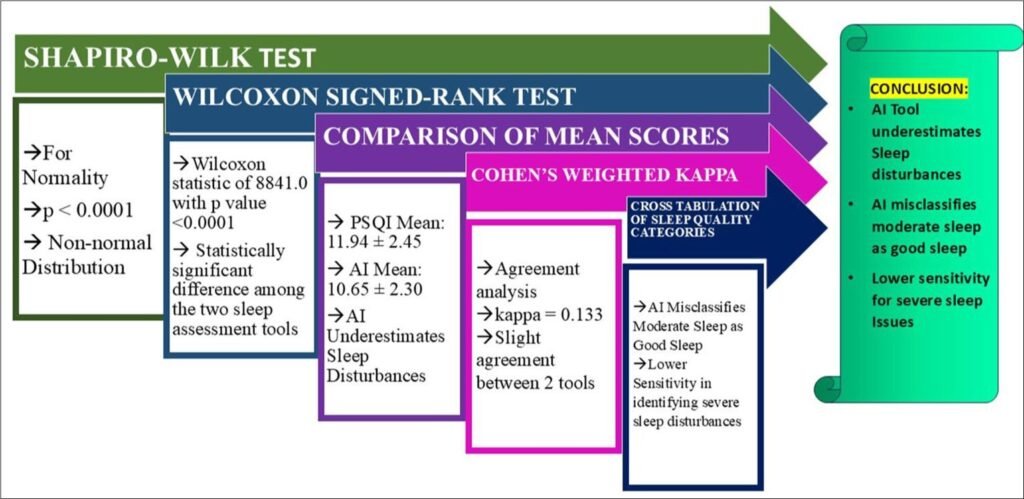
The Sleep Quality Scale and the Pittsburgh Sleep Quality Index (PSQI) are often discussed together.
| Feature | Sleep Quality Scale (SQS) | Pittsburgh Sleep Quality Index (PSQI) |
| Self-Reported | Yes | Yes |
| Research Use | Common | Very Common |
| Measures Overall Sleep Quality | Yes | Yes |
| Measures Multiple Sleep Dimensions | Yes | Yes |
| Clinical Use | Moderate | Extensive |
Both tools are valuable, but PSQI is often more widely used in clinical and academic research.
Why Sleep Quality Matters
Good sleep quality supports:
- Memory
- Learning
- Immune health
- Emotional regulation
- Physical recovery
- Cognitive performance
Poor sleep quality has been associated with:
- Fatigue
- Reduced productivity
- Mood disturbances
- Increased stress
- Lower overall well-being
This is why sleep assessments are increasingly used in healthcare and wellness programs.
Signs of Good Sleep Quality
Quick Answer
Good sleep quality means you fall asleep easily, stay asleep throughout most of the night, and wake feeling refreshed.
Common indicators include:
- Falling asleep within 15–20 minutes
- Minimal nighttime awakenings
- Feeling rested in the morning
- Consistent daytime energy
- Good concentration
These signs often reflect healthy sleep patterns.
Signs of Poor Sleep Quality
Common symptoms include:
- Frequent awakenings
- Difficulty falling asleep
- Morning fatigue
- Brain fog
- Daytime sleepiness
- Irritability
Persistent symptoms may indicate underlying sleep issues.
How to Improve Sleep Quality Scores
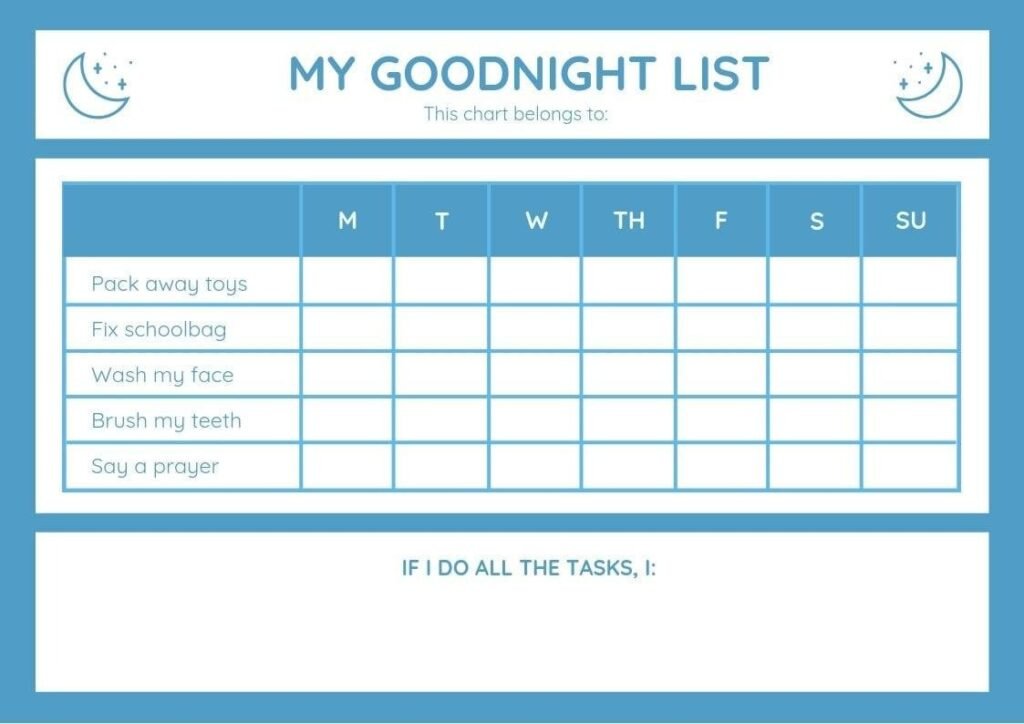
Follow a Consistent Sleep Schedule
Regular bedtimes help regulate your body’s internal clock.
Reduce Evening Screen Exposure
Blue light can interfere with natural sleep signals.
Improve Your Sleep Environment
Focus on:
- Darkness
- Quiet surroundings
- Comfortable bedding
- Cooler temperatures
Stay Physically Active
Regular exercise is linked to improved sleep quality.
Manage Stress
Techniques such as meditation and deep breathing may support better sleep.
Use Sleep Planning Tools
Helpful resources include:
- Sleep Calculator
- Sleep Cycle Calculator
- Nap Calculator
- Jet Lag Calculator
These tools can help align sleep timing with natural biological rhythms.
Who Uses the Sleep Quality Scale?
The Sleep Quality Scale is commonly used by:
- Sleep researchers
- Healthcare professionals
- Wellness programs
- Academic institutions
- Public health studies
It provides a structured method for evaluating sleep experiences across different populations.
Frequently Asked Questions
What is the Sleep Quality Scale?
The Sleep Quality Scale is a questionnaire used to assess overall sleep quality and sleep-related experiences.
What does the Sleep Quality Scale measure?
It evaluates sleep satisfaction, sleep continuity, restoration, and daytime functioning.
Is the Sleep Quality Scale the same as the Pittsburgh Sleep Quality Index?
No. They are separate assessment tools, although both measure sleep quality.
Can the Sleep Quality Scale diagnose sleep disorders?
No. It is an assessment tool, not a diagnostic test.
Why is sleep quality more important than sleep duration alone?
Because quality sleep determines how effectively the body and brain recover during the night.
Conclusion
The Sleep Quality Scale provides a structured way to evaluate sleep beyond simply counting hours. By assessing factors such as restfulness, sleep continuity, and daytime functioning, it offers valuable insights into overall sleep health.
Whether used in research, healthcare, or personal wellness tracking, understanding sleep quality can help identify problems early and support healthier sleep habits.
quality.
Introduction
Many people know whether they slept well or poorly, but measuring sleep quality objectively is much more challenging.
Researchers and sleep specialists use several assessment tools to evaluate sleep patterns, one of which is the Sleep Quality Scale (SQS).
The Sleep Quality Scale helps measure a person’s perception of their sleep and provides a structured way to assess sleep-related issues. It is commonly used in sleep research, healthcare settings, and wellness studies.
In this guide, you’ll learn what the Sleep Quality Scale is, how it works, what scores mean, and how it compares to other sleep assessment tools.
What Is the Sleep Quality Scale?
Quick Answer
The Sleep Quality Scale (SQS) is a self-reported questionnaire designed to measure an individual’s overall sleep quality.
It evaluates different aspects of sleep, including:
- Sleep satisfaction
- Difficulty falling asleep
- Nighttime awakenings
- Sleep restoration
- Daytime functioning
The goal is to provide a more complete picture of sleep health than simply measuring sleep duration.
Why Was the Sleep Quality Scale Created?
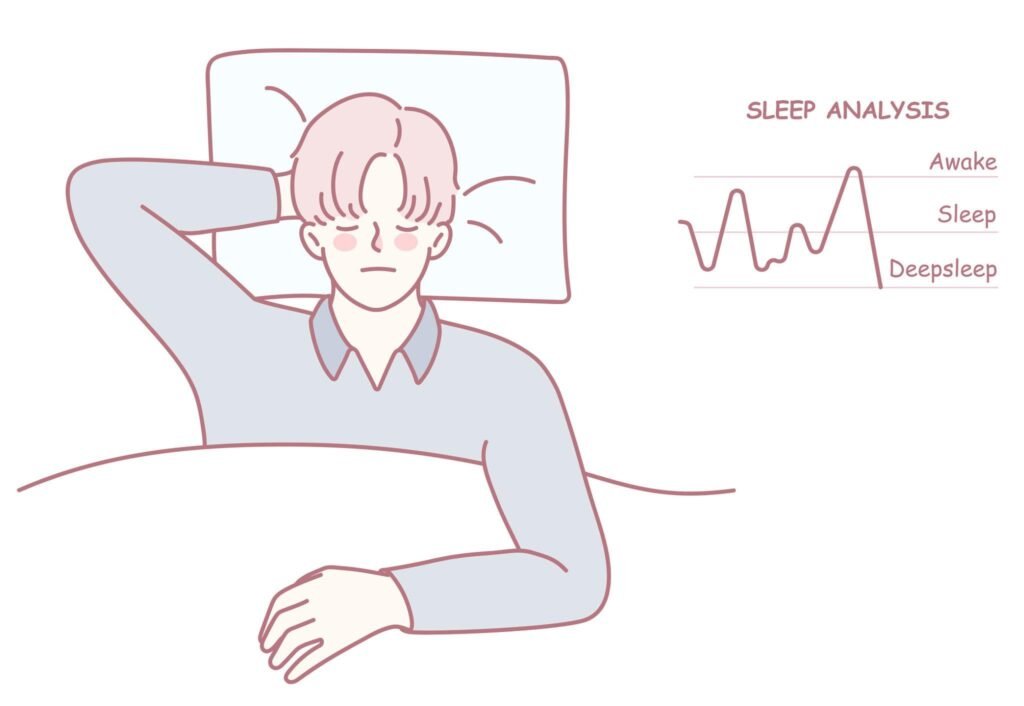
Sleep quality is subjective.
Two people can sleep the same number of hours yet have very different experiences.
For example:
- One person wakes feeling refreshed.
- Another wakes feeling exhausted.
Researchers needed a structured method to measure how people perceive their sleep quality.
The Sleep Quality Scale was developed to help quantify these experiences in a reliable and standardized way.
What Does the Sleep Quality Scale Measure?
The SQS evaluates several dimensions of sleep.
Sleep Initiation
How easily you fall asleep after going to bed.
Sleep Maintenance
How often you wake during the night.
Sleep Restoration
Whether sleep leaves you feeling refreshed and energized.
Daytime Functioning
How sleep affects concentration, productivity, and mood.
Overall Sleep Satisfaction
Your general perception of your sleep experience.
Together, these areas provide a broader understanding of sleep quality.
How Does the Sleep Quality Scale Work?
Quick Answer
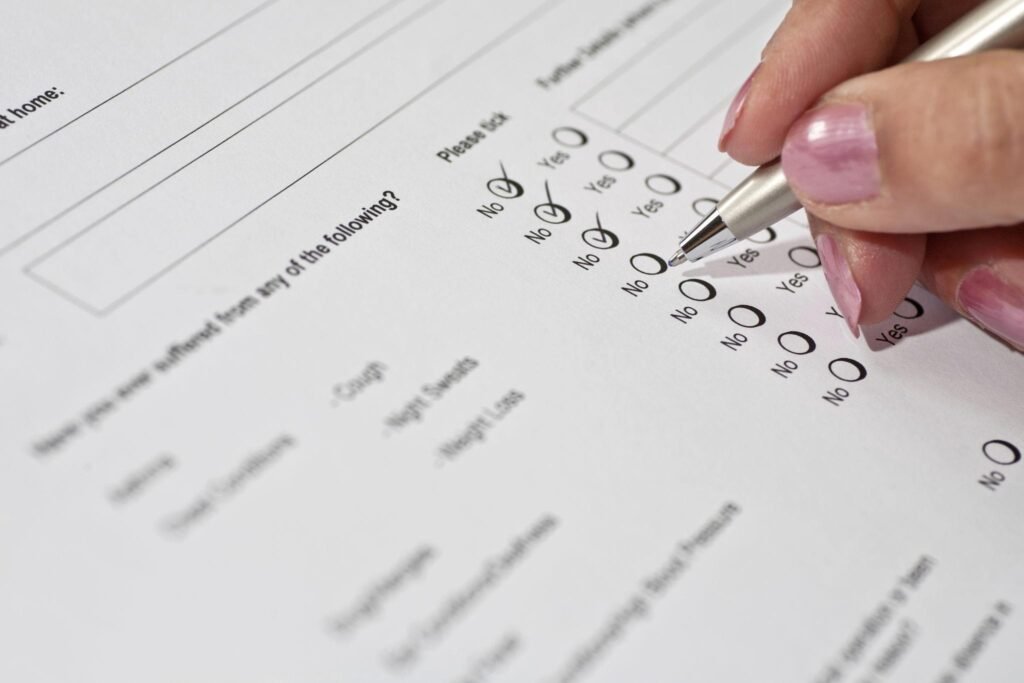
The Sleep Quality Scale uses multiple questions to assess different aspects of sleep quality over a specified period.
Participants rate statements based on their sleep experiences.
Responses are then combined into a total score that reflects overall sleep quality.
Researchers often use these scores to compare sleep patterns across groups or track changes over time.
Components Commonly Evaluated in Sleep Quality Scales
While versions may vary, sleep quality assessments often examine:
| Sleep Factor | Purpose |
| Sleep Latency | Time needed to fall asleep |
| Sleep Duration | Total hours slept |
| Sleep Continuity | Frequency of awakenings |
| Sleep Efficiency | Percentage of time asleep |
| Restfulness | Morning recovery level |
| Daytime Alertness | Energy and concentration |
These factors help create a more complete sleep profile.
Sleep Quality Scale vs Sleep Duration
One common misconception is that more sleep automatically means better sleep.
That’s not always true.
| Sleep Duration | Sleep Quality |
| Measures quantity | Measures effectiveness |
| Focuses on hours slept | Focuses on recovery |
| Easier to track | Requires broader evaluation |
A person who sleeps 9 hours with frequent interruptions may have lower sleep quality than someone who sleeps 7.5 hours continuously.
Sleep Quality Scale vs Pittsburgh Sleep Quality Index
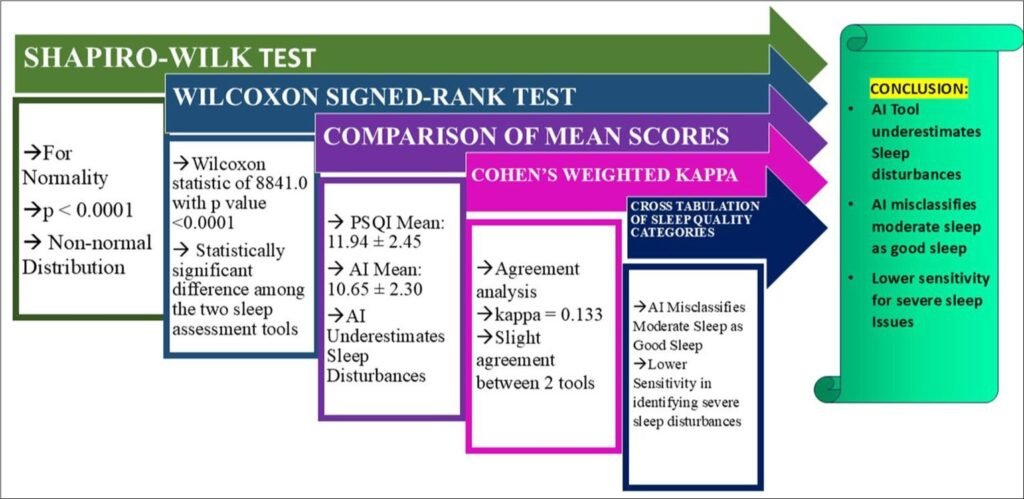
The Sleep Quality Scale and the Pittsburgh Sleep Quality Index (PSQI) are often discussed together.
| Feature | Sleep Quality Scale (SQS) | Pittsburgh Sleep Quality Index (PSQI) |
| Self-Reported | Yes | Yes |
| Research Use | Common | Very Common |
| Measures Overall Sleep Quality | Yes | Yes |
| Measures Multiple Sleep Dimensions | Yes | Yes |
| Clinical Use | Moderate | Extensive |
Both tools are valuable, but PSQI is often more widely used in clinical and academic research.
Why Sleep Quality Matters
Good sleep quality supports:
- Memory
- Learning
- Immune health
- Emotional regulation
- Physical recovery
- Cognitive performance
Poor sleep quality has been associated with:
- Fatigue
- Reduced productivity
- Mood disturbances
- Increased stress
- Lower overall well-being
This is why sleep assessments are increasingly used in healthcare and wellness programs.
Signs of Good Sleep Quality
Quick Answer
Good sleep quality means you fall asleep easily, stay asleep throughout most of the night, and wake feeling refreshed.
Common indicators include:
- Falling asleep within 15–20 minutes
- Minimal nighttime awakenings
- Feeling rested in the morning
- Consistent daytime energy
- Good concentration
These signs often reflect healthy sleep patterns.
Signs of Poor Sleep Quality
Common symptoms include:
- Frequent awakenings
- Difficulty falling asleep
- Morning fatigue
- Brain fog
- Daytime sleepiness
- Irritability
Persistent symptoms may indicate underlying sleep issues.
How to Improve Sleep Quality Scores
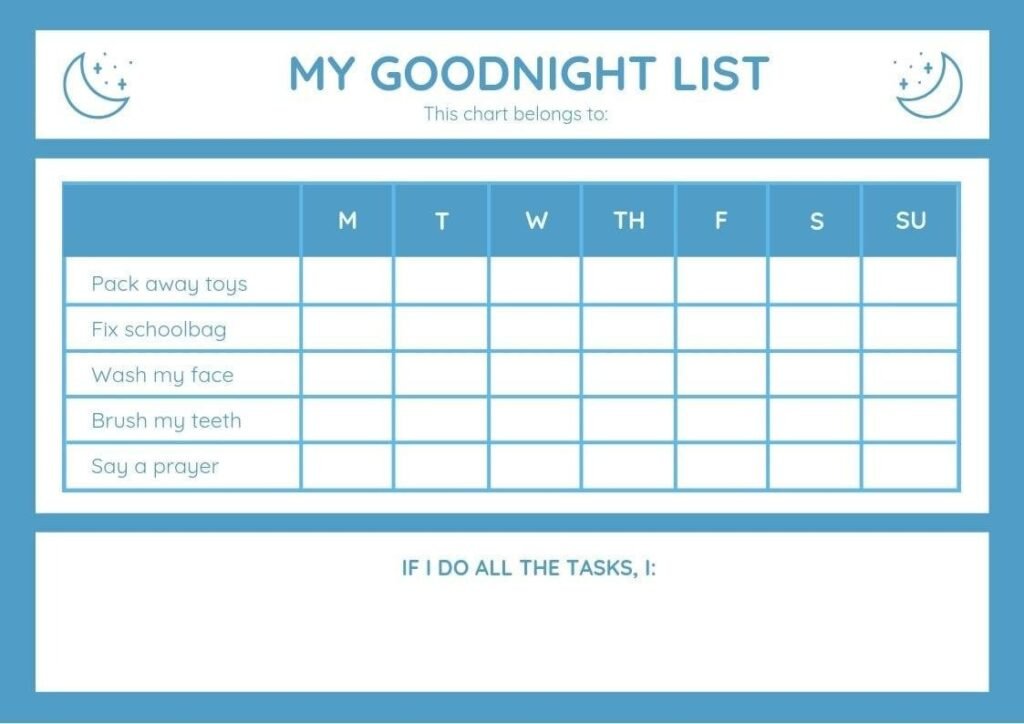
Follow a Consistent Sleep Schedule
Regular bedtimes help regulate your body’s internal clock.
Reduce Evening Screen Exposure
Blue light can interfere with natural sleep signals.
Improve Your Sleep Environment
Focus on:
- Darkness
- Quiet surroundings
- Comfortable bedding
- Cooler temperatures
Stay Physically Active
Regular exercise is linked to improved sleep quality.
Manage Stress
Techniques such as meditation and deep breathing may support better sleep.
Use Sleep Planning Tools
Helpful resources include:
- Sleep Calculator
- Sleep Cycle Calculator
- Nap Calculator
- Jet Lag Calculator
These tools can help align sleep timing with natural biological rhythms.
Who Uses the Sleep Quality Scale?
The Sleep Quality Scale is commonly used by:
- Sleep researchers
- Healthcare professionals
- Wellness programs
- Academic institutions
- Public health studies
It provides a structured method for evaluating sleep experiences across different populations.
Frequently Asked Questions
What is the Sleep Quality Scale?
The Sleep Quality Scale is a questionnaire used to assess overall sleep quality and sleep-related experiences.
What does the Sleep Quality Scale measure?
It evaluates sleep satisfaction, sleep continuity, restoration, and daytime functioning.
Is the Sleep Quality Scale the same as the Pittsburgh Sleep Quality Index?
No. They are separate assessment tools, although both measure sleep quality.
Can the Sleep Quality Scale diagnose sleep disorders?
No. It is an assessment tool, not a diagnostic test.
Why is sleep quality more important than sleep duration alone?
Because quality sleep determines how effectively the body and brain recover during the night.
Conclusion
The Sleep Quality Scale provides a structured way to evaluate sleep beyond simply counting hours. By assessing factors such as restfulness, sleep continuity, and daytime functioning, it offers valuable insights into overall sleep health.
Whether used in research, healthcare, or personal wellness tracking, understanding sleep quality can help identify problems early and support healthier sleep habits.