You may spend eight or nine hours in bed every night and still wake up feeling tired. That’s because sleep duration alone doesn’t tell the whole story.
A better metric is sleep efficiency. It measures how much of your time in bed is actually spent sleeping. Sleep clinics, researchers, and modern sleep trackers use sleep efficiency calculations to evaluate sleep patterns and identify potential sleep problems.
In this guide, you’ll learn the sleep efficiency formula, how to calculate it correctly, what the numbers mean, and practical ways to improve your score.
What Is Sleep Efficiency Calculation?
Quick Answer
Sleep efficiency calculation measures the percentage of time you spend asleep while in bed.
Formula:
Sleep Efficiency (%) = (Total Sleep Time ÷ Total Time in Bed) × 100
For example:
- Time in bed: 8 hours
- Total sleep time: 7 hours
Sleep Efficiency = (7 ÷ 8) × 100
Sleep Efficiency = 87.5%
This means 87.5% of the time spent in bed was actual sleep.
Why Sleep Efficiency Is Important
Many people focus only on how many hours they sleep. Sleep efficiency provides a deeper understanding of sleep quality.
A high sleep efficiency score usually means:
- Falling asleep quickly
- Fewer nighttime awakenings
- Better sleep continuity
- More restorative rest
A low score may indicate:
- Insomnia
- Sleep fragmentation
- Poor sleep habits
- Sleep disorders
This is why sleep specialists often use sleep efficiency alongside sleep duration and sleep quality measurements.
Sleep Efficiency Formula Explained
The formula itself is straightforward.
Step 1: Measure Total Time in Bed
This includes:
- Time you lie down
- Time spent trying to fall asleep
- Sleeping time
- Wake periods during the night
Step 2: Measure Total Sleep Time
This includes only the time you are actually asleep.
It excludes:
- Time spent awake before sleep
- Nighttime awakenings
- Time spent scrolling on your phone in bed
Step 3: Apply the Formula
Sleep Efficiency (%) = Total Sleep Time ÷ Total Time in Bed × 100
Sleep Efficiency Calculation Examples
Example 1: Healthy Sleeper
| Metric | Value |
|---|---|
| Time in Bed | 8 Hours |
| Sleep Time | 7.5 Hours |
| Sleep Efficiency | 93.75% |
This score is considered excellent.
Example 2: Frequent Night Awakenings
| Metric | Value |
|---|---|
| Time in Bed | 8 Hours |
| Sleep Time | 6 Hours |
| Sleep Efficiency | 75% |
This score suggests sleep disruption.
Example 3: Insomnia Symptoms
| Metric | Value |
|---|---|
| Time in Bed | 9 Hours |
| Sleep Time | 6.5 Hours |
| Sleep Efficiency | 72.2% |
Despite spending more time in bed, sleep efficiency remains low.
What Is Considered a Good Sleep Efficiency Score?
Quick Answer
Most sleep experts consider 85% or higher a healthy sleep efficiency score.
| Sleep Efficiency | Interpretation |
|---|---|
| 95%+ | Excellent |
| 85%–94% | Good |
| 75%–84% | Fair |
| Below 75% | Poor |
Many sleep clinics use 85% as the benchmark for healthy sleep efficiency.
Sleep Efficiency vs Sleep Quality
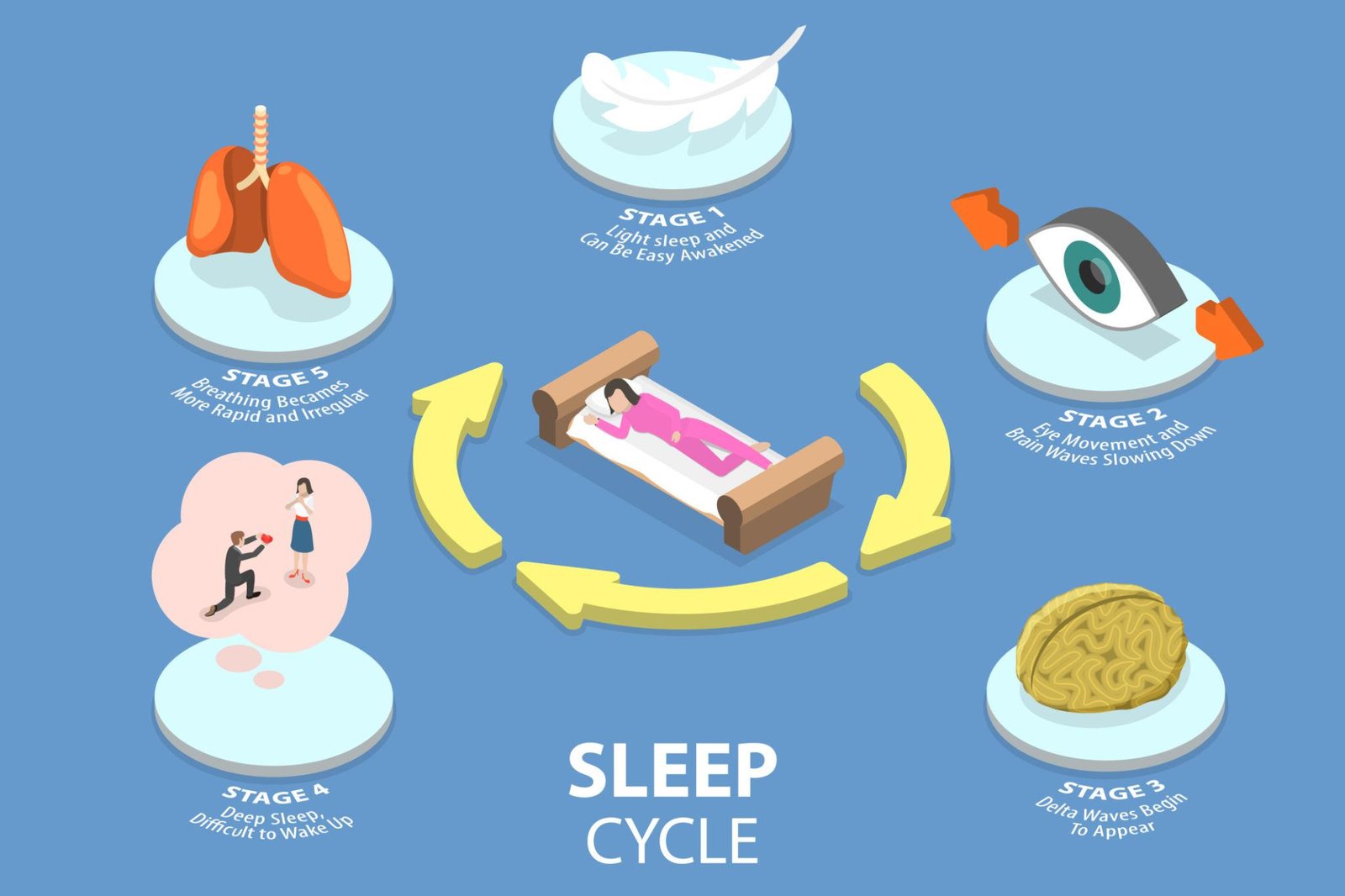
These terms are often confused, but they measure different aspects of sleep.
| Sleep Efficiency | Sleep Quality |
|---|---|
| Percentage-based metric | Overall sleep experience |
| Focuses on time asleep | Focuses on restfulness |
| Easy to calculate | More subjective |
| Used in sleep studies | Used in broader sleep assessments |
Someone can have high sleep efficiency but still experience poor sleep quality if sleep is fragmented or lacks sufficient deep sleep.
How Sleep Trackers Calculate Sleep Efficiency
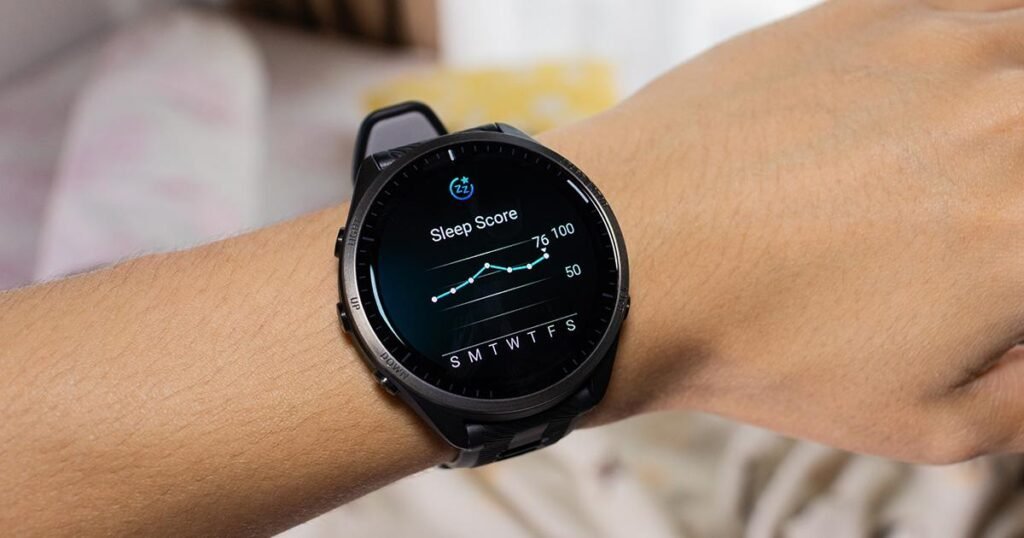
Modern sleep trackers estimate sleep efficiency automatically.
They typically analyze:
- Body movement
- Heart rate
- Sleep stages
- Wake periods
Popular sleep-tracking devices provide efficiency scores in daily sleep reports.
While useful, these measurements are estimates and may differ from results obtained during professional sleep studies.
Factors That Affect Sleep Efficiency
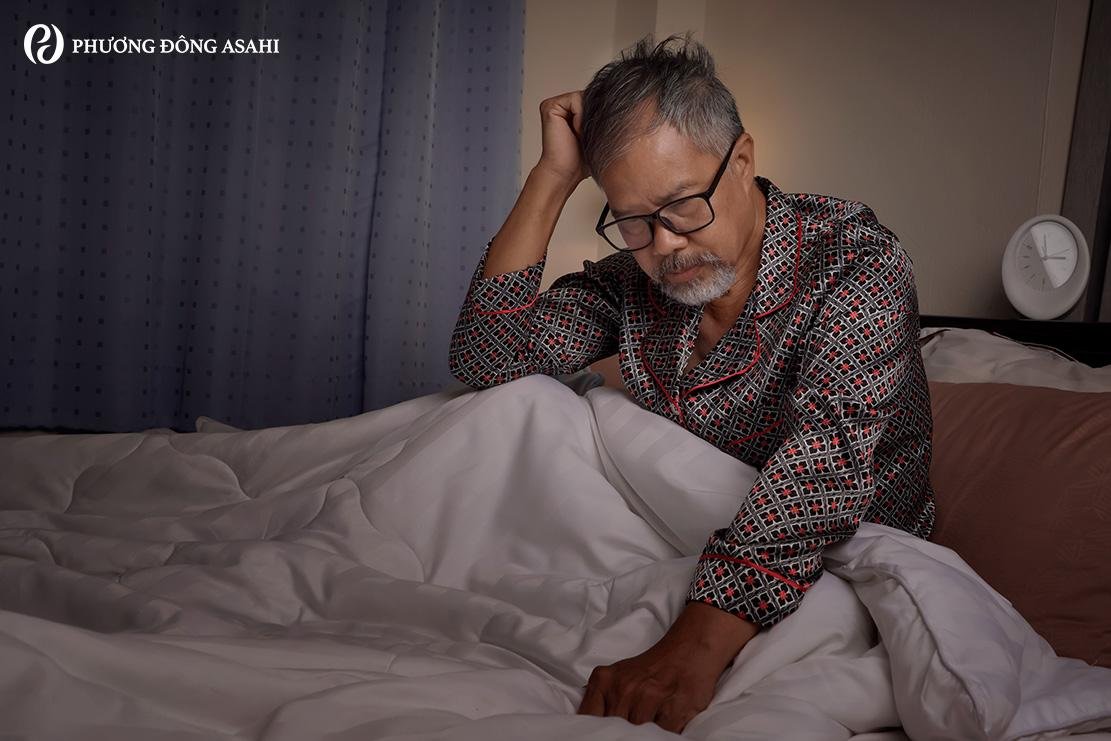
Several factors influence sleep efficiency.
Stress and Anxiety
Mental stress often increases the time needed to fall asleep.
Excessive Screen Time
Blue light exposure may delay melatonin production and affect sleep onset.
Irregular Sleep Schedule
Frequent changes in bedtime can disrupt circadian rhythms.
Poor Sleep Environment
Common issues include:
- Noise
- Excessive light
- Room temperature
- Uncomfortable bedding
Sleep Disorders
Conditions such as:
- Sleep apnea
- Restless legs syndrome
- Chronic insomnia
can significantly reduce sleep efficiency.
How to Improve Sleep Efficiency
Maintain Consistent Sleep Times
Going to bed and waking up at the same time helps regulate your body’s internal clock.
Limit Late-Day Caffeine
Avoid coffee, energy drinks, and other stimulants during the evening.
Optimize Your Bedroom
Create a sleep-friendly environment by:
- Keeping the room cool
- Using blackout curtains
- Minimizing noise
Avoid Staying Awake in Bed
Sleep specialists often recommend leaving bed if you cannot sleep within 20–30 minutes.
Use Sleep Calculation Tools
Online tools can help optimize sleep timing and improve sleep consistency.
Related tools:
- Sleep Calculator
- Sleep Cycle Calculator
- Nap Calculator
- Jet Lag Calculator
Common Mistakes When Calculating Sleep Efficiency
Many people make calculation errors by:
- Counting awake time as sleep
- Ignoring nighttime awakenings
- Estimating sleep duration inaccurately
- Using inconsistent tracking methods
For more accurate results, track sleep for at least one to two weeks.
When Should You Be Concerned?
Occasional low sleep efficiency is normal.
You may want to seek professional advice if:
- Sleep efficiency remains below 75%
- Daytime fatigue becomes severe
- You regularly wake up multiple times per night
- Snoring or breathing pauses occur during sleep
Persistent symptoms may indicate an underlying sleep disorder.
Frequently Asked Questions
What is the formula for sleep efficiency calculation?
Sleep efficiency is calculated using the formula: Total Sleep Time ÷ Total Time in Bed × 100.
What is a good sleep efficiency score?
Most sleep experts consider 85% or higher to be a healthy score.
Can sleep trackers calculate sleep efficiency?
Yes. Most modern sleep trackers estimate sleep efficiency automatically.
Why is my sleep efficiency low?
Low sleep efficiency may result from insomnia, stress, poor sleep habits, or underlying sleep disorders.
Is sleep efficiency more important than sleep duration?
Both matter. Sleep efficiency provides additional insight into how effectively you sleep during the time spent in bed.
Conclusion
Sleep efficiency calculation is one of the most practical ways to assess sleep performance. By comparing total sleep time to total time spent in bed, you can identify whether your sleep is truly restorative or simply long in duration.
A score above 85% is generally considered healthy. If your score consistently falls below that range, improving sleep habits and tracking sleep patterns can help you move toward better sleep and improved daytime energy.