Many people focus on how many hours they sleep each night. While sleep duration matters, it doesn’t always reveal how well you actually slept.
Someone can spend nine hours in bed and still wake up exhausted. Another person may spend seven and a half hours in bed and feel fully refreshed. The difference often comes down to sleep efficiency.
Learning how to calculate sleep efficiency can help you better understand your sleep habits, identify potential sleep problems, and make improvements that lead to better rest.
How to Calculate Sleep Efficiency
Quick Answer
To calculate sleep efficiency, divide your total sleep time by the total time spent in bed and multiply the result by 100.
Formula:
Sleep Efficiency (%) = (Total Sleep Time ÷ Total Time in Bed) × 100
Example
If you spend:
- 8 hours in bed
- 7 hours asleep
Then:
(7 ÷ 8) × 100 = 87.5%
Your sleep efficiency score would be 87.5%.
Understanding the Sleep Efficiency Formula
The formula itself is simple, but understanding what should be included makes a big difference.
Total Time in Bed
This includes:
- Time spent trying to fall asleep
- Time spent sleeping
- Time awake during the night
For example:
If you get into bed at 10:00 PM and get out of bed at 6:00 AM, your total time in bed is 8 hours.
Total Sleep Time
This includes only the hours you are actually asleep.
If:
- You take 30 minutes to fall asleep
- Wake up twice for 15 minutes each
Then your actual sleep time will be less than your total time in bed.
Step-by-Step Sleep Efficiency Calculation
Step 1: Record Bedtime
Write down when you got into bed.
Example:
10:00 PM
Step 2: Record Wake-Up Time
Write down when you got out of bed.
Example:
6:00 AM
Total time in bed:
8 hours
Step 3: Estimate Actual Sleep Time
Subtract:
- Time needed to fall asleep
- Nighttime awakenings
Example:
- 30 minutes to fall asleep
- 30 minutes awake during the night
Actual sleep time:
7 hours
Step 4: Use the Formula
Sleep Efficiency = (7 ÷ 8) × 100
Result:
87.5%
Sleep Efficiency Calculation Examples
Example 1: Excellent Sleep Efficiency
| Metric | Value |
| Time in Bed | 8 Hours |
| Sleep Time | 7.8 Hours |
| Efficiency | 97.5% |
This score indicates highly efficient sleep.
Example 2: Average Sleep Efficiency
| Metric | Value |
| Time in Bed | 8 Hours |
| Sleep Time | 6.8 Hours |
| Efficiency | 85% |
This falls within the healthy range.
Example 3: Poor Sleep Efficiency
| Metric | Value |
| Time in Bed | 9 Hours |
| Sleep Time | 6 Hours |
| Efficiency | 66.7% |
This may indicate sleep disruption or insomnia-related issues.
What Is a Good Sleep Efficiency Score?
Quick Answer
Most sleep experts recommend a sleep efficiency score of 85% or higher.
| Score | Rating |
| 95%+ | Excellent |
| 85%–94% | Good |
| 75%–84% | Fair |
| Below 75% | Poor |
People with chronic insomnia often have sleep efficiency scores below 80%.
Why Sleep Efficiency Matters
Sleep efficiency provides information that sleep duration alone cannot.
For example:
Two people may both spend 8 hours in bed.
Person A sleeps for 7.8 hours.
Person B sleeps for 6 hours.
Although both spent the same amount of time in bed, their sleep efficiency scores are very different.
Higher sleep efficiency is often associated with:
- Better daytime energy
- Improved concentration
- Better mood
- More restorative sleep
Common Causes of Low Sleep Efficiency
Insomnia
Difficulty falling asleep or staying asleep is one of the most common causes.
Stress and Anxiety
Mental stress can increase nighttime wakefulness.
Excessive Caffeine
Late-day caffeine consumption can delay sleep onset.
Poor Sleep Environment
Common issues include:
- Noise
- Light exposure
- Temperature problems
- Uncomfortable bedding
Sleep Disorders
Medical conditions that may affect sleep efficiency include:
- Sleep apnea
- Restless legs syndrome
- Circadian rhythm disorders
How Sleep Trackers Calculate Sleep Efficiency
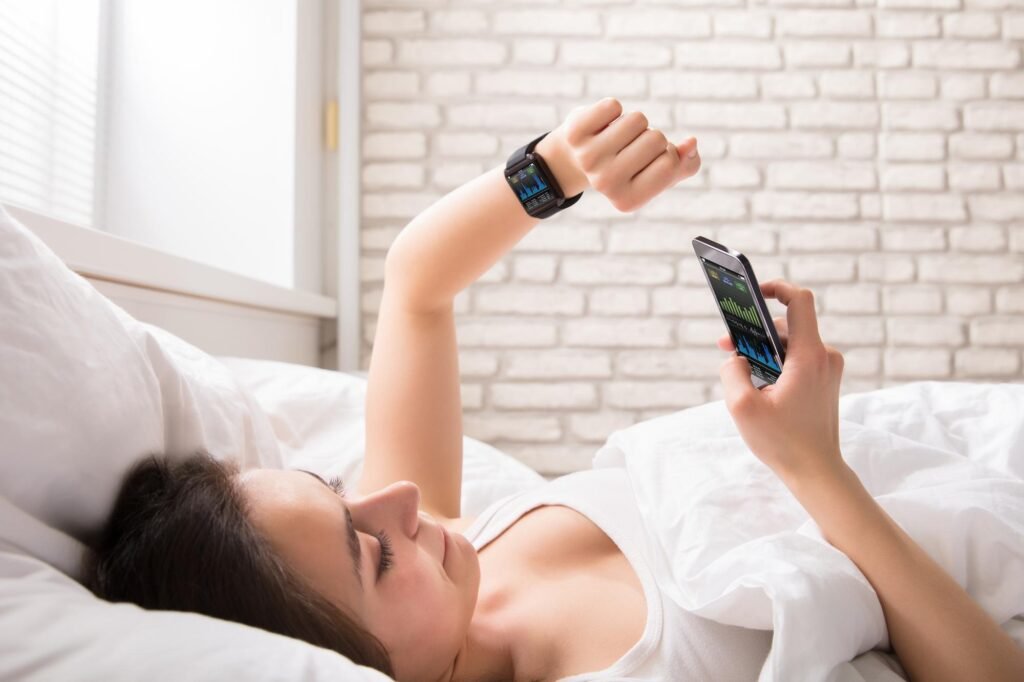
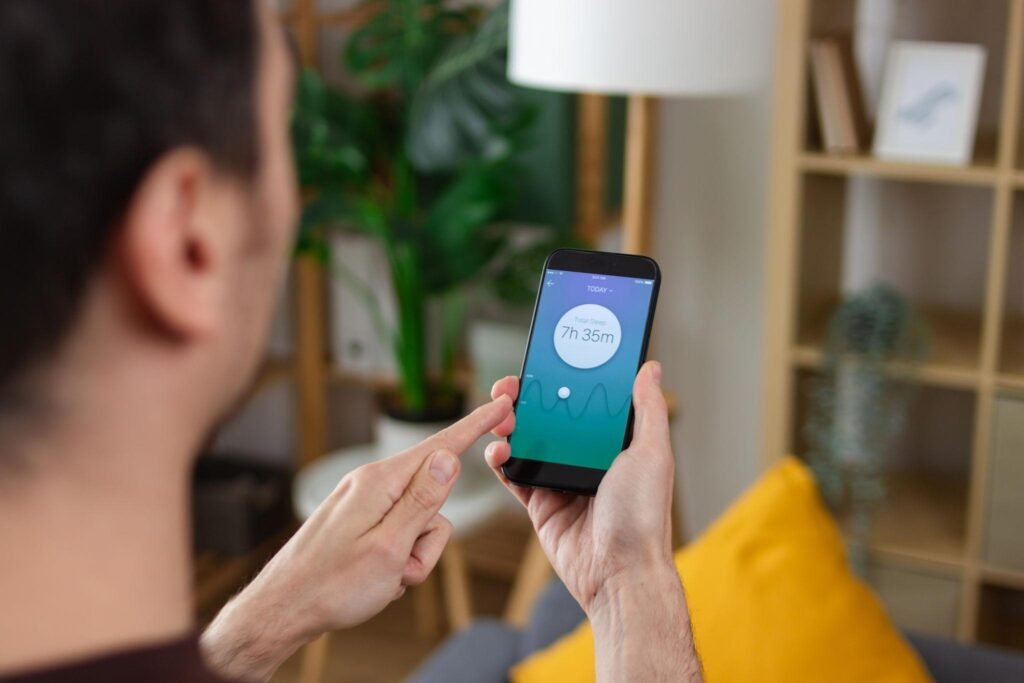
Many sleep-tracking devices automatically estimate sleep efficiency.
These devices use:
- Movement data
- Heart rate measurements
- Sleep stage detection
Popular wearable devices provide sleep efficiency percentages within daily sleep reports.
Although useful, these numbers should be viewed as estimates rather than medical diagnoses.
Ways to Improve Sleep Efficiency
Maintain a Consistent Schedule
Go to bed and wake up at the same time every day.
Reduce Screen Time Before Bed
Avoid bright screens at least one hour before bedtime.
Improve Your Sleep Environment
Try:
- Blackout curtains
- Comfortable bedding
- Cooler room temperatures
- Reduced noise levels
Limit Alcohol Before Bed
Alcohol can increase nighttime awakenings and reduce sleep quality.
Use a Sleep Calculator
Sleep calculators can help align sleep timing with natural sleep cycles.
Helpful tools include:
- Sleep Calculator
- Sleep Cycle Calculator
- Nap Calculator
- Jet Lag Calculator
Sleep Efficiency vs Sleep Quality
Although related, these terms are not identical.
| Sleep Efficiency | Sleep Quality |
| Measures percentage of sleep time | Measures overall restfulness |
| Easy to calculate | More subjective |
| Focuses on sleeping time | Includes recovery and refreshment |
Someone can have excellent sleep efficiency but still experience poor sleep quality if sleep stages are disrupted.
When Should You Seek Professional Help?
Occasional poor sleep is normal.
Consider speaking with a healthcare professional if:
- Sleep efficiency stays below 75%
- You experience severe daytime fatigue
- You frequently wake up gasping for air
- Sleep problems persist for several weeks
Professional sleep evaluations can help identify underlying causes.
Frequently Asked Questions
How do you calculate sleep efficiency?
Divide total sleep time by total time spent in bed and multiply by 100.
What is considered a good sleep efficiency score?
A score of 85% or higher is generally considered healthy.
Can I calculate sleep efficiency without a sleep tracker?
Yes. You can manually track bedtime, wake time, and estimated sleep duration.
Is sleep efficiency the same as sleep quality?
No. Sleep efficiency measures time asleep, while sleep quality measures how restorative your sleep feels.
What causes low sleep efficiency?
Common causes include insomnia, stress, sleep disorders, caffeine use, and poor sleep habits.
Conclusion
Knowing how to calculate sleep efficiency gives you a clearer picture of your sleep than simply counting hours in bed. By comparing actual sleep time to total time spent in bed, you can identify patterns that may be affecting your energy, focus, and overall well-being.
If your sleep efficiency is below 85%, small changes to your sleep routine may help improve both sleep quality and daily performance.