Working through the night changes more than your schedule.
When your shift ends at sunrise, your body often still expects to be awake. Even if you spend enough hours in bed during the day, you may not feel as rested as you would after sleeping at night.
Over time, this can lead to sleep debt after night shift work, especially if you’re consistently getting less sleep than your body needs.
Whether you’re a nurse, security guard, factory worker, emergency responder, or anyone working overnight, understanding sleep debt can help you build a healthier recovery routine.
What Is Sleep Debt After a Night Shift?
Quick Answer
Sleep debt after a night shift is the difference between the sleep your body needs and the amount of sleep you actually get after working overnight.
Many night shift workers sleep fewer hours during the day because sunlight, noise, family responsibilities, and changes in the body’s internal clock make daytime sleep more difficult.
Why Do Night Shifts Increase Sleep Debt?
Your body naturally follows a circadian rhythm, which encourages you to stay awake during the day and sleep at night.
Working overnight may make it harder to:
- Fall asleep after work
- Stay asleep during the day
- Get enough total sleep
- Maintain a consistent sleep schedule
Even if you spend eight hours in bed, interrupted daytime sleep may leave you feeling less refreshed.
Example Sleep Debt After Night Shift
Suppose your body needs 8 hours of sleep each day.
| Day | Sleep Needed | Actual Sleep | Sleep Debt |
| Monday | 8 hrs | 6 hrs | 2 hrs |
| Tuesday | 8 hrs | 5.5 hrs | 2.5 hrs |
| Wednesday | 8 hrs | 6.5 hrs | 1.5 hrs |
| Thursday | 8 hrs | 6 hrs | 2 hrs |
| Friday | 8 hrs | 6 hrs | 2 hrs |
Estimated Weekly Sleep Debt: 10 Hours
This example shows how even small daily sleep losses can accumulate over a single workweek.

Helpful Sleep Tools
If you’re working overnight, these tools can help you plan a healthier sleep routine:
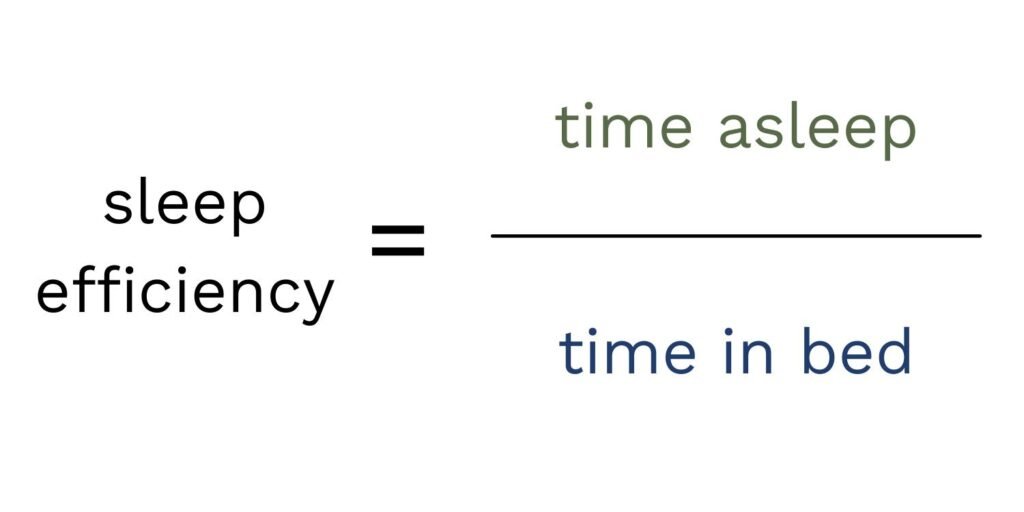
A Sleep Calculator helps estimate the best bedtime after your shift based on sleep cycles, while a Sleep Efficiency Calculator helps measure how effectively you’re sleeping once you’re in bed.
What Are the Signs of Sleep Debt After Night Shifts?
Quick Answer
Many night shift workers notice increased tiredness when they consistently sleep less than they need.
Possible signs include:
- Daytime fatigue
- Difficulty concentrating
- Reduced alertness
- Slower reaction time
- Feeling less refreshed after sleep
- Lower productivity
The experience varies depending on sleep quality, work schedule, and individual sleep needs.
Can You Recover From Night Shift Sleep Debt?
Quick Answer
Yes.
Many people can gradually reduce sleep debt by improving daytime sleep quality and maintaining a consistent sleep schedule between shifts.
Helpful recovery strategies include:
- Sleeping as soon as possible after work
- Keeping the same sleep schedule on workdays
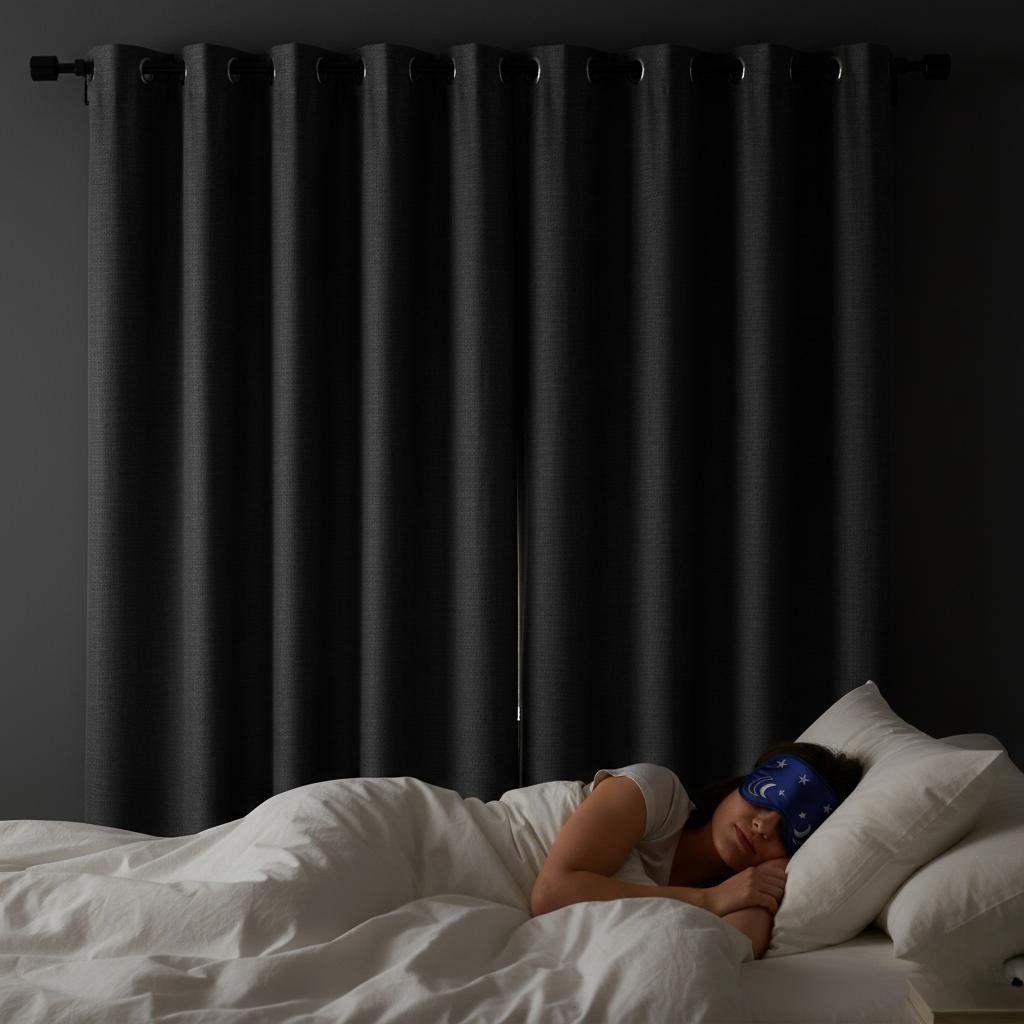
- Using blackout curtains
- Wearing earplugs if needed
- Limiting caffeine near bedtime
Recovery usually takes consistency rather than one long sleep session.

Can Naps Help Night Shift Workers?
Short naps may improve:
- Alertness
- Focus
- Energy
- Reaction time
A Nap Calculator can help you choose an appropriate nap duration before or during a night shift without leaving you feeling groggy.
How Is Night Shift Sleep Similar to Jet Lag?
Working overnight temporarily shifts your normal sleep schedule, creating challenges similar to traveling across time zones.
A Jet Lag Calculator can help you understand how changes in your body clock affect your sleep routine and estimate how long adjustment may take when your schedule changes.
Tips for Reducing Sleep Debt After Night Shifts
Keep Your Bedroom Dark
Blackout curtains help reduce sunlight exposure and make daytime sleep easier.
Reduce Noise
Consider:
- Earplugs
- White noise
- Quiet fans
Keep a Consistent Sleep Schedule
Going to bed at similar times after every shift helps your body adjust more effectively.
Track Your Sleep
Monitoring your sleep each day makes it easier to recognize patterns and improve your recovery.
Frequently Asked Questions
What is sleep debt after a night shift?
It is the difference between the sleep your body needs and the sleep you actually get after working overnight.
Why is it difficult to sleep after a night shift?
Daylight, noise, and changes in your circadian rhythm can make daytime sleep more challenging.
Can I recover from night shift sleep debt?
Yes. Consistent, high-quality daytime sleep and healthy sleep habits can gradually reduce sleep debt.
Are naps helpful for night shift workers?
Yes. Short naps may improve alertness and reduce fatigue during or before overnight work.
Does every night shift worker develop sleep debt?
Not necessarily. Some people adapt better than others, but many overnight workers benefit from careful sleep planning.
Conclusion
Sleep debt after night shift work is common because daytime sleep often differs from nighttime sleep. By understanding how sleep debt builds and using practical tools to plan your sleep schedule, you can gradually improve your recovery and reduce accumulated sleep loss.
Small changes—such as maintaining a consistent routine, improving your sleep environment, and tracking your sleep—can make overnight work much easier to manage over time.