Most people follow a monophasic sleep schedule, sleeping once each night for seven to nine hours. But that’s not the only sleep pattern people use.
Some students, entrepreneurs, shift workers, sailors, and long-distance travelers experiment with polyphasic sleep, which divides sleep into multiple shorter periods throughout a 24-hour day.
A Polyphasic Sleep Calculator helps estimate when those sleep periods should occur based on the schedule you choose. While this approach may sound appealing, it isn’t suitable for everyone and should be approached carefully.
Let’s explore how polyphasic sleep works, who may benefit from it, and what science currently says.
What Is a Polyphasic Sleep Calculator?
Quick Answer
A Polyphasic Sleep Calculator is a tool that helps plan multiple sleep periods across a 24-hour day.
Instead of calculating one bedtime and one wake-up time, it estimates:
- Core sleep duration
- Nap timing
- Wake-up times
- Sleep intervals
- Total daily sleep
The goal is to organize sleep periods consistently throughout the day.
What Is Polyphasic Sleep?
Polyphasic sleep means sleeping several times during a 24-hour period instead of one long overnight sleep.
Unlike a traditional sleep schedule, sleep is divided into shorter blocks.
Common polyphasic schedules include:
- Everyman
- Uberman
- Dymaxion
- Triphasic
Each schedule differs in the number and length of sleep sessions.
Common Polyphasic Sleep Schedules
Everyman Schedule
One longer core sleep plus several naps.
Example:
- Core sleep: 3 hours
- Three 20-minute naps
Uberman Schedule
Six evenly spaced naps.
Example:
- Six naps
- 20 minutes each
Total sleep:
Approximately 2 hours daily.
Dymaxion Schedule
Four naps every six hours.
Example:
- Four 30-minute naps
Total sleep:
Approximately 2 hours daily.
Triphasic Schedule
Three equal sleep periods spread throughout the day.
Each approach has different challenges and recovery requirements.

How Does a Polyphasic Sleep Calculator Work?
Quick Answer
The calculator estimates sleep periods based on your chosen polyphasic schedule.
It helps determine:
- When to sleep
- When to wake up
- Nap intervals
- Daily sleep totals
Most calculators also help keep sleep sessions evenly spaced.
Who Uses Polyphasic Sleep?
Although uncommon, some people experiment with polyphasic sleep, including:
- Remote workers
- Students
- Sailors
- Emergency responders
- Long-distance travelers
- Shift workers
However, many sleep specialists still recommend a consistent monophasic sleep schedule for most adults.
Helpful Sleep Tools
Whether you follow a traditional or alternative sleep schedule, these tools can help improve your sleep planning:
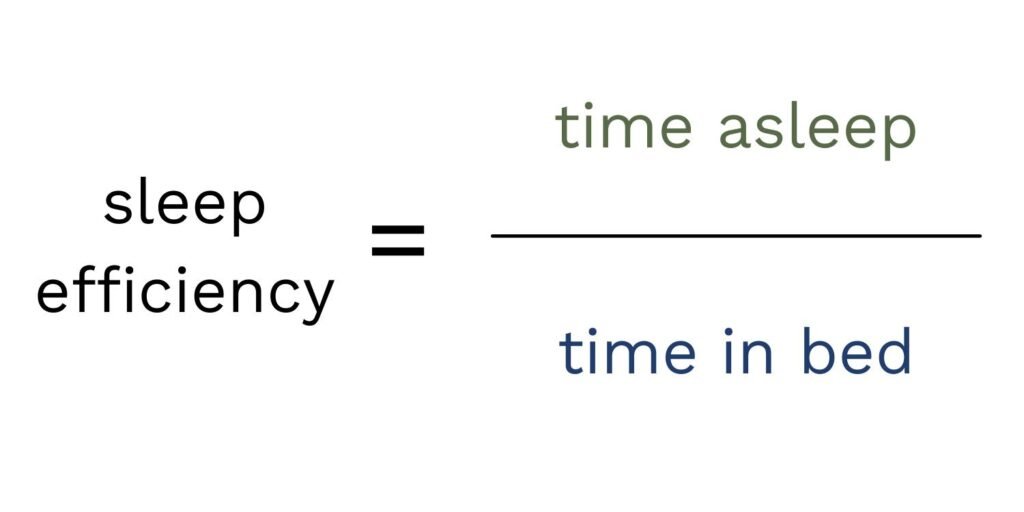
A Sleep Calculator helps determine ideal bedtime based on natural sleep cycles, while a Sleep Efficiency Calculator can help evaluate how effectively you’re sleeping during each rest period.
Potential Benefits of Polyphasic Sleep
Some people report:
- Greater scheduling flexibility
- More waking hours
- Planned daytime naps
- Better routine consistency
Scientific evidence supporting long-term benefits remains limited.
Possible Risks of Polyphasic Sleep
Quick Answer
Polyphasic sleep may not provide enough restorative sleep for many people.
Potential risks include:
- Daytime fatigue
- Reduced concentration
- Mood changes
- Sleep deprivation
- Difficulty maintaining the schedule
Because sleep is divided into multiple sessions, consistency becomes extremely important.

Can Polyphasic Sleep Affect Sleep Cycles?
Yes.
Normal nighttime sleep includes multiple complete sleep cycles containing:
- Light sleep
- Deep sleep
- REM sleep
Very short naps may reduce opportunities for deep and REM sleep, depending on the schedule being followed.
This is one reason many sleep researchers remain cautious about highly restrictive polyphasic schedules.
Polyphasic Sleep vs Monophasic Sleep
| Polyphasic Sleep | Monophasic Sleep |
| Multiple sleep periods | One main sleep period |
| Requires strict scheduling | Easier to maintain |
| Often includes several naps | Usually no planned naps |
| Less common | Most common worldwide |
Can Naps Replace Nighttime Sleep?
Quick Answer
Generally, no.
Short naps may improve alertness, but they usually cannot replace the restorative value of consistent overnight sleep for most adults.
If you’re experimenting with scheduled naps, a Nap Calculator can help optimize nap duration.
What About Travel and Shift Work?
People experiencing jet lag or rotating shifts sometimes consider polyphasic sleep.
However, improving circadian rhythm is usually more effective than adopting an extreme sleep schedule.
A Jet Lag Calculator can help estimate adjustment time after travel, while consistent sleep timing often supports better recovery.
Is Polyphasic Sleep Safe?
Current research has not established that long-term polyphasic sleep is safe or beneficial for the average healthy adult.
If you experience:
- Persistent daytime fatigue
- Difficulty concentrating
- Mood changes
- Reduced performance
your sleep schedule may need adjustment.
Anyone considering major changes to their sleep routine should discuss them with a healthcare professional, particularly if they have an existing sleep disorder or medical condition.
Frequently Asked Questions
What is a Polyphasic Sleep Calculator?
A Polyphasic Sleep Calculator helps schedule multiple sleep periods across a 24-hour day.
What is polyphasic sleep?
Polyphasic sleep divides daily sleep into several shorter sleep sessions instead of one overnight sleep period.
Is polyphasic sleep healthy?
Research remains limited, and many sleep experts recommend a regular overnight sleep schedule for most adults.
Can polyphasic sleep improve productivity?
Some people report increased flexibility, but scientific evidence supporting long-term productivity benefits is limited.
Can naps replace normal sleep?
No. Naps can improve alertness but generally do not replace consistent nighttime sleep.
Conclusion
A Polyphasic Sleep Calculator can help organize alternative sleep schedules, but it’s important to understand both the potential advantages and the limitations of polyphasic sleep. While some people successfully follow these schedules for specific situations, most adults benefit from regular, consistent overnight sleep.
If your goal is better energy, recovery, and long-term health, maintaining healthy sleep habits and a consistent sleep schedule remains the most reliable approach.