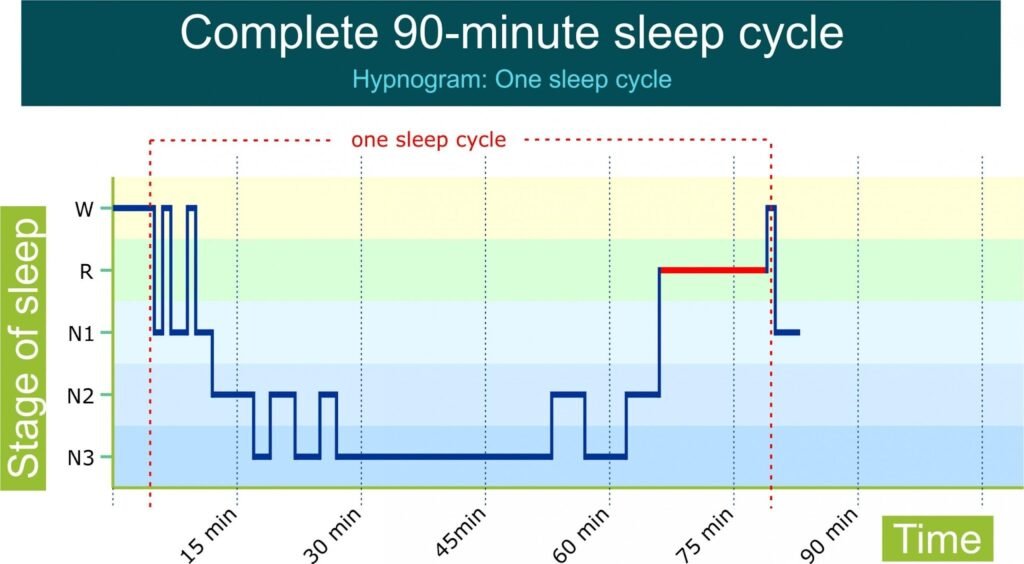
Most people know they should get seven to nine hours of sleep each night. What many don’t realize is that sleep isn’t one continuous state.
Throughout the night, your body repeatedly moves through different sleep stages known as sleep cycles. These cycles influence everything from physical recovery and immune function to memory formation and emotional well-being.
If you’ve ever wondered how long does a sleep cycle last, the short answer is about 90 minutes. However, the full story is more interesting because sleep cycles change throughout the night and vary from person to person.
How Long Does a Sleep Cycle Last?
Quick Answer
A typical sleep cycle lasts approximately 90 minutes, although most cycles range between 70 and 120 minutes.
During a full night of sleep, adults usually complete:
- 4 cycles in about 6 hours
- 5 cycles in about 7.5 hours
- 6 cycles in about 9 hours
Each cycle contains several sleep stages that support different aspects of physical and mental recovery.
What Is a Sleep Cycle?
A sleep cycle is the sequence of sleep stages your body moves through repeatedly while sleeping.
The four main stages include:
- Stage 1 Sleep
- Stage 2 Sleep
- Stage 3 Deep Sleep
- REM Sleep
After completing REM sleep, the body starts another cycle.
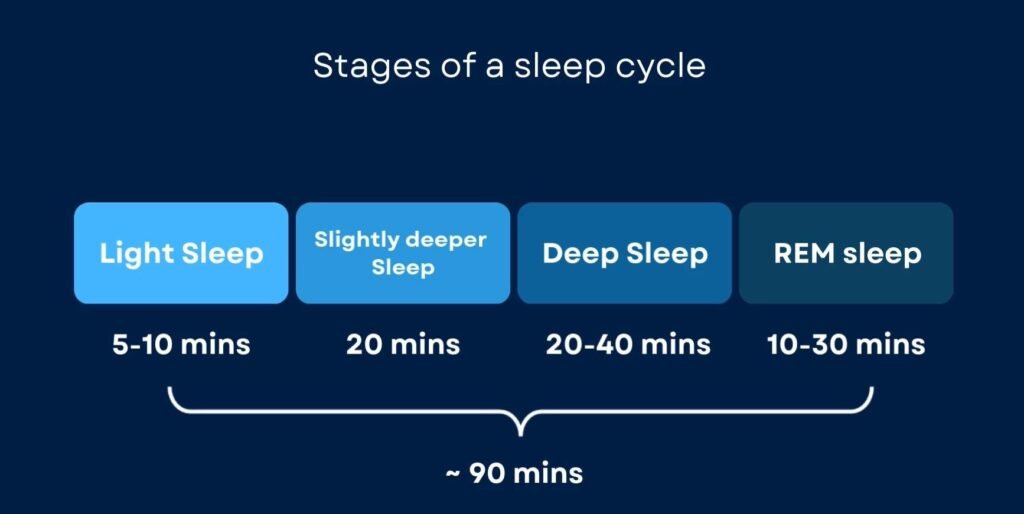
The Four Stages of a Sleep Cycle
Stage 1: Light Sleep
This stage marks the transition between wakefulness and sleep.
Characteristics include:
- Slow eye movements
- Relaxed muscles
- Reduced awareness
- Easy awakening
Stage 1 typically lasts only a few minutes.
Stage 2: Stable Sleep
Stage 2 is the longest sleep stage for most adults.
During this stage:
- Heart rate slows
- Body temperature decreases
- Brain activity changes
- The body prepares for deep sleep
Most adults spend nearly half of their total sleep time in Stage 2.
Stage 3: Deep Sleep
Deep sleep is often considered the most restorative stage.
Important functions include:
- Physical recovery
- Tissue repair
- Immune support
- Hormone release
Waking during deep sleep often causes sleep inertia, which is the groggy feeling many people experience after being awakened suddenly.
REM Sleep
REM stands for Rapid Eye Movement.
During REM sleep:
- Brain activity increases
- Dreams become more vivid
- Learning and memory processing occur
- Emotional regulation improves
REM sleep usually becomes longer in later sleep cycles.
Does Every Sleep Cycle Last 90 Minutes?
Quick Answer
No. The often-cited 90-minute cycle is an average, not a fixed rule.
Sleep cycle length can vary due to:
- Age
- Genetics
- Sleep quality
- Health conditions
- Stress levels
- Medication use
Some people may experience cycles closer to 80 minutes, while others may have cycles exceeding 100 minutes.
How Sleep Cycles Change During the Night
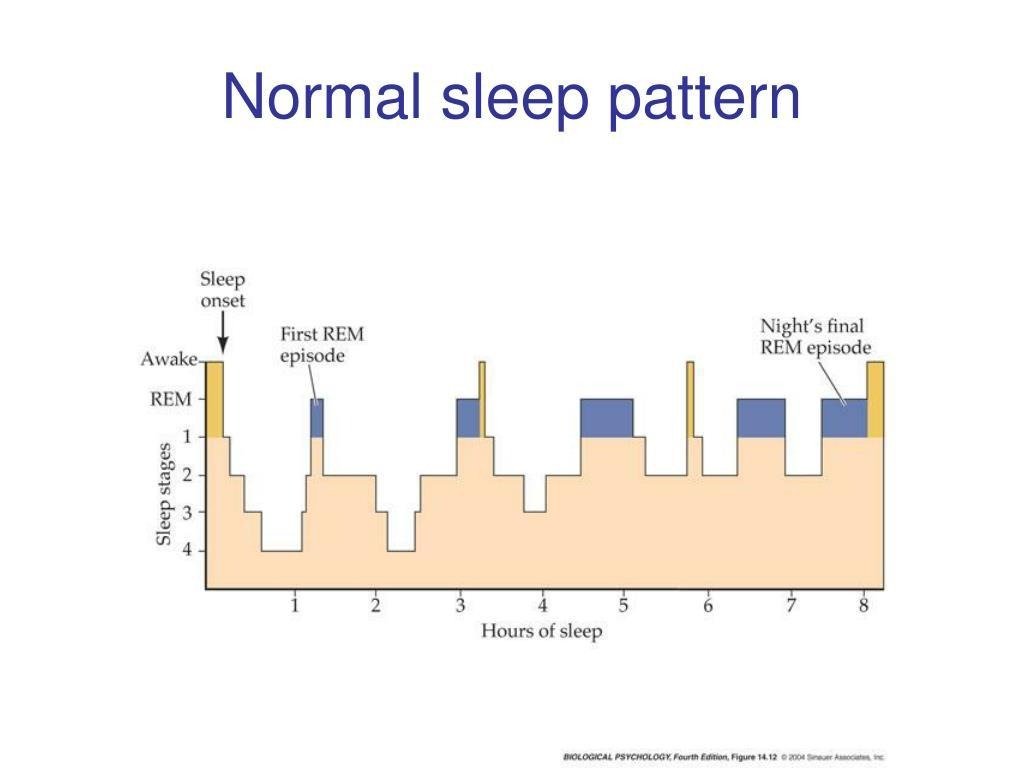
Sleep cycles are not identical from bedtime until morning.
Early Sleep Cycles
The first few cycles typically contain:
- More deep sleep
- Shorter REM periods
Later Sleep Cycles
As morning approaches:
- Deep sleep decreases
- REM sleep increases
This pattern is one reason vivid dreaming often occurs shortly before waking.
Why Sleep Cycle Length Matters
Understanding sleep cycle duration can help improve sleep habits.
Benefits include:
Better Wake-Up Timing
Waking at the end of a cycle often feels easier than waking during deep sleep.
Improved Energy Levels
Completing uninterrupted sleep cycles supports better daytime performance.
Enhanced Recovery
Each sleep stage contributes to physical and mental restoration.
Better Sleep Planning
Sleep cycle awareness can help optimize bedtime and wake-up schedules.
How Many Sleep Cycles Should You Get?
Most healthy adults benefit from:
| Sleep Cycles | Approximate Sleep Duration |
| 4 Cycles | 6 Hours |
| 5 Cycles | 7.5 Hours |
| 6 Cycles | 9 Hours |
Many sleep experts recommend aiming for 5–6 complete cycles whenever possible.
However, individual sleep needs vary.
Sleep Cycles and Age
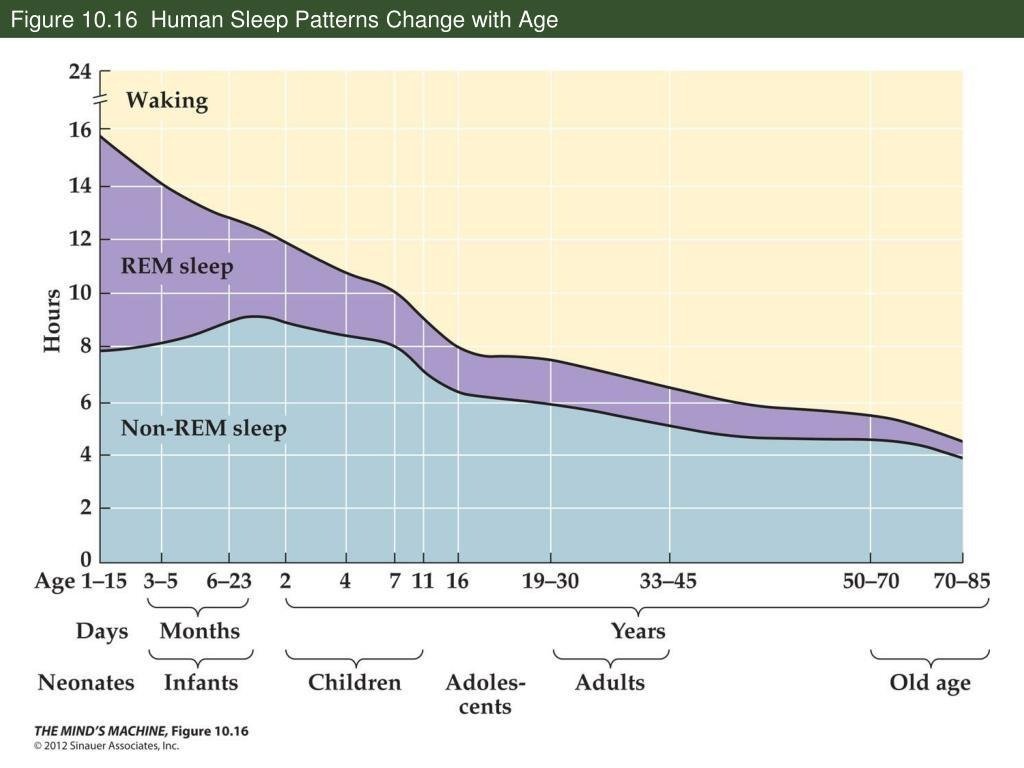
Sleep patterns naturally change over time.
| Age Group | Sleep Cycle Characteristics |
| Infants | Shorter cycles and more REM sleep |
| Children | Increased deep sleep |
| Teenagers | Longer sleep needs |
| Adults | Stable 4–6 cycles per night |
| Older Adults | More awakenings and lighter sleep |
These age-related changes are normal and expected.
What Can Disrupt Sleep Cycles?
Several factors can interfere with healthy sleep cycles.
Stress and Anxiety
Mental stress often increases nighttime awakenings.
Caffeine
Late caffeine consumption can delay sleep onset.
Alcohol
Alcohol may reduce REM sleep quality.
Shift Work
Irregular schedules can disrupt circadian rhythms.
Sleep Disorders
Common examples include:
- Sleep apnea
- Insomnia
- Restless legs syndrome
These conditions may interrupt normal sleep cycle progression.
Can Sleep Trackers Measure Sleep Cycles?
Quick Answer
Many wearable devices estimate sleep cycles using movement and heart-rate data.
Popular tools include:
- Smartwatches
- Fitness bands
- Sleep monitoring apps
While useful, these estimates are not as accurate as professional sleep studies conducted in sleep laboratories.
How to Support Healthy Sleep Cycles

Keep a Consistent Sleep Schedule
Regular sleep times help stabilize circadian rhythms.
Limit Evening Screen Exposure
Blue light can interfere with melatonin production.
Exercise Regularly
Physical activity often improves sleep quality.
Reduce Evening Caffeine
Avoid stimulants several hours before bedtime.
Use Sleep Planning Tools
Helpful resources include:
- Sleep Calculator
- Sleep Schedule Calculator
- Nap Calculator
- Jet Lag Calculator
These tools can help align sleep timing with natural sleep cycles.
Sleep Cycle vs Sleep Duration
Although connected, they measure different things.
| Sleep Cycle | Sleep Duration |
| Measures sleep stages | Measures total hours slept |
| Focuses on sleep quality | Focuses on quantity |
| Repeats throughout the night | Measures overall sleep time |
Both play an important role in healthy sleep.
Frequently Asked Questions
How long does a sleep cycle last?
Most sleep cycles last approximately 90 minutes, although they can range from 70 to 120 minutes.
How many sleep cycles do adults need?
Most adults complete 4–6 sleep cycles each night.
Are all sleep cycles the same length?
No. Cycle length can vary between individuals and throughout the night.
Why do sleep cycles matter?
Sleep cycles support recovery, memory processing, emotional regulation, and overall sleep quality.
Can sleep trackers accurately measure sleep cycles?
They provide estimates, but professional sleep studies remain the most accurate method.
Conclusion
A typical sleep cycle lasts about 90 minutes and includes multiple stages that support physical recovery, brain function, and overall health. Most adults complete four to six cycles per night, with each cycle contributing to restorative sleep.
Understanding sleep cycle duration can help you improve sleep timing, build healthier habits, and wake up feeling more refreshed and energized.