Missing an hour of sleep here and there may not seem like much.
But sleep loss has a way of adding up. One short night becomes several, and before long, you’ve accumulated a significant amount of cumulative sleep debt that can affect how rested you feel each day.
A Cumulative Sleep Debt Calculator helps estimate the total amount of sleep you’ve missed over time. Rather than focusing on a single night, it looks at your overall sleep history to provide a clearer picture of your sleep habits.
Whether you’re recovering after busy workweeks, shift work, frequent travel, or long study sessions, understanding your cumulative sleep debt can help you build a healthier sleep schedule.
What Is a Cumulative Sleep Debt Calculator?
Quick Answer
A Cumulative Sleep Debt Calculator estimates the total amount of sleep you’ve lost by comparing the sleep your body needs with the sleep you actually get over several days, weeks, or months.
Instead of measuring one night’s sleep, it tracks your accumulated sleep deficit over time.
How Does a Cumulative Sleep Debt Calculator Work?
The calculator uses a simple formula:
Cumulative Sleep Debt = Total Sleep Needed − Total Sleep Received
For example:
If you need 8 hours of sleep each night but average 6.5 hours for ten consecutive nights:
- Sleep Needed: 80 hours
- Sleep Received: 65 hours
Total Cumulative Sleep Debt = 15 Hours
Even small nightly deficits become significant when added together.
Example Calculation
| Period | Sleep Needed | Sleep Received | Sleep Debt |
| Week 1 | 56 hrs | 50 hrs | 6 hrs |
| Week 2 | 56 hrs | 52 hrs | 4 hrs |
| Week 3 | 56 hrs | 51 hrs | 5 hrs |
Total Cumulative Sleep Debt: 15 Hours
This broader view helps you understand your long-term sleep patterns rather than focusing on one poor night’s sleep.

Why Does Sleep Debt Accumulate?
Quick Answer
Sleep debt accumulates whenever you regularly sleep less than your body requires.
Common reasons include:
- Working overtime
- Parenting responsibilities
- Shift work
- Studying late
- Frequent travel
- Irregular sleep schedules
Losing even one hour of sleep every night can lead to more than 30 hours of sleep debt over a month.
Helpful Sleep Tools
If you’re trying to improve your sleep routine, these tools work well together:
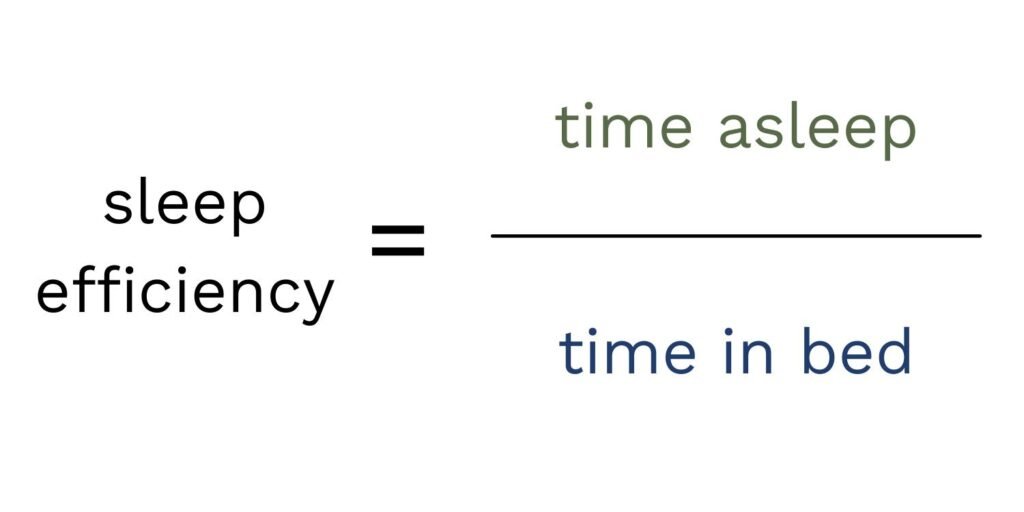
A Sleep Calculator helps estimate your ideal bedtime based on sleep cycles, while a Sleep Efficiency Calculator helps measure how effectively you’re sleeping once you’re in bed.
Can Cumulative Sleep Debt Affect Daily Performance?
Quick Answer
Yes.
As cumulative sleep debt increases, many people notice changes in energy, concentration, and productivity.
Possible effects include:
- Feeling tired during the day
- Difficulty focusing
- Slower reaction times
- Lower motivation
- Reduced productivity
The severity varies from person to person and depends on how much sleep has been lost over time.
Can You Recover From Cumulative Sleep Debt?
Recovery is often possible through consistent sleep habits.
Helpful strategies include:
- Going to bed earlier
- Sleeping enough every night
- Following a regular bedtime
- Improving sleep quality
- Avoiding additional sleep loss
Recovery usually happens gradually rather than all at once.

Do Naps Reduce Cumulative Sleep Debt?
Short naps may temporarily improve:
- Alertness
- Mood
- Concentration
- Energy
However, naps should support—not replace—healthy nighttime sleep.
A Nap Calculator can help estimate the best nap duration while minimizing grogginess after waking.
What About Jet Lag?
Travel across multiple time zones often disrupts your normal sleep schedule and may increase cumulative sleep debt.
A Jet Lag Calculator can help estimate adjustment time while you gradually return to your regular sleep routine.
Tips for Reducing Cumulative Sleep Debt
Keep a Consistent Sleep Schedule
Going to bed and waking up at similar times each day supports healthy sleep patterns.
Track Your Sleep
Recording your sleep every morning makes it easier to monitor long-term trends.
Improve Your Sleep Environment
Aim for:
- A cool bedroom
- Minimal noise
- Comfortable bedding
- Low light
Focus on Gradual Recovery
Small improvements each night are usually more sustainable than dramatic schedule changes.
Frequently Asked Questions
What is a Cumulative Sleep Debt Calculator?
A Cumulative Sleep Debt Calculator estimates your total sleep deficit over an extended period by comparing sleep needed with sleep received.
How is cumulative sleep debt calculated?
It adds together your daily sleep deficits across multiple days, weeks, or months.
Can cumulative sleep debt be recovered?
In many cases, yes. Recovery usually requires consistent, high-quality sleep over time.
Is cumulative sleep debt different from weekly sleep debt?
Yes. Weekly sleep debt measures one week, while cumulative sleep debt includes longer periods.
Can naps eliminate cumulative sleep debt?
Naps may improve alertness, but regular nighttime sleep remains the most effective way to recover.
Conclusion
A Cumulative Sleep Debt Calculator gives you a broader view of your sleep habits by estimating how much sleep you’ve missed over an extended period. By tracking your accumulated sleep deficit and improving your sleep routine, you can make gradual progress toward healthier, more consistent sleep.
Combined with practical sleep planning tools and good sleep habits, monitoring cumulative sleep debt can help you stay on track and feel more refreshed over time.