If you’ve ever used a sleep tracker or read about sleep health, you’ve probably come across the term sleep efficiency. It sounds technical, but the calculation is actually quite simple.
Sleep efficiency helps answer an important question: How much of your time in bed are you actually sleeping?
Many people assume they’re getting enough sleep because they spend eight or nine hours in bed. Yet they still wake up tired. In many cases, low sleep efficiency is the reason.
This guide explains how sleep efficiency is calculated, what the numbers mean, and how you can improve your score for better sleep.
How Do You Calculate Sleep Efficiency?
Quick Answer
Sleep efficiency is calculated by dividing your total sleep time by the total amount of time spent in bed and multiplying by 100.
Formula:
Sleep Efficiency (%) = (Total Sleep Time ÷ Total Time in Bed) × 100
Example
Let’s say:
- You go to bed at 10:00 PM
- You get out of bed at 6:00 AM
- Total time in bed = 8 hours
- Actual sleep time = 7 hours
Calculation:
(7 ÷ 8) × 100 = 87.5%
Your sleep efficiency is 87.5%.
What Does Sleep Efficiency Measure?
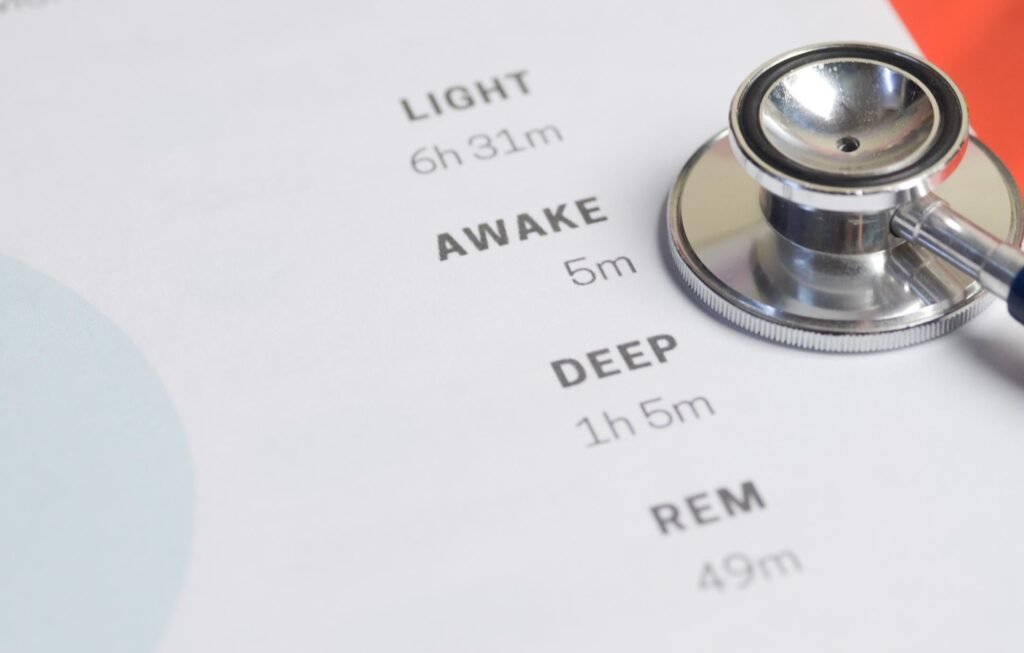
Sleep efficiency measures how effectively you’re using your time in bed for sleeping.
It takes into account:
- Time needed to fall asleep
- Nighttime awakenings
- Total sleep duration
- Time spent awake in bed
The higher your sleep efficiency, the less time you’re spending awake while in bed.
Understanding the Formula Step by Step
Step 1: Calculate Total Time in Bed
This is the amount of time between when you get into bed and when you get out of bed.
Example:
- Bedtime: 10:30 PM
- Wake-up time: 6:30 AM
Total time in bed:
8 hours
Step 2: Calculate Total Sleep Time
Now subtract:
- Time spent trying to fall asleep
- Time awake during the night
Example:
- 20 minutes to fall asleep
- 40 minutes awake during the night
Actual sleep time:
7 hours
Step 3: Apply the Formula
Sleep Efficiency = (7 ÷ 8) × 100
Result:
87.5%
Real-Life Sleep Efficiency Examples
Example 1: Excellent Sleep Efficiency
| Metric | Value |
| Time in Bed | 8 Hours |
| Sleep Time | 7.8 Hours |
| Efficiency | 97.5% |
This indicates highly efficient sleep.
Example 2: Healthy Sleep Efficiency
| Metric | Value |
| Time in Bed | 8 Hours |
| Sleep Time | 7 Hours |
| Efficiency | 87.5% |
This falls within the recommended range.
Example 3: Poor Sleep Efficiency
| Metric | Value |
| Time in Bed | 9 Hours |
| Sleep Time | 6 Hours |
| Efficiency | 66.7% |
This may suggest sleep disruption or insomnia.
What Is a Good Sleep Efficiency Score?
Quick Answer
Most sleep experts consider 85% or higher a healthy sleep efficiency score.
| Sleep Efficiency | Rating |
| 95%+ | Excellent |
| 85%–94% | Good |
| 75%–84% | Fair |
| Below 75% | Poor |
People with consistent scores below 75% may benefit from evaluating their sleep habits or consulting a healthcare professional.
Why Sleep Efficiency Matters
Sleep efficiency provides insights that sleep duration alone cannot.
For example:
Two people spend 8 hours in bed.
Person A sleeps for 7.8 hours.
Person B sleeps for 6 hours.
Although both spent the same amount of time in bed, Person A has much higher sleep efficiency and is more likely to feel rested.
Higher sleep efficiency is often associated with:
- Better concentration
- Improved mood
- Higher energy levels
- Better overall sleep quality
Common Causes of Low Sleep Efficiency
Insomnia
Difficulty falling asleep or staying asleep can significantly lower sleep efficiency.
Stress and Anxiety
Racing thoughts and stress can increase wakefulness during the night.
Poor Sleep Habits
Examples include:
- Irregular bedtimes
- Excessive screen use
- Late caffeine consumption
Sleep Disorders
Conditions that commonly affect sleep efficiency include:
- Sleep apnea
- Restless legs syndrome
- Circadian rhythm disorders
How Sleep Trackers Measure Sleep Efficiency
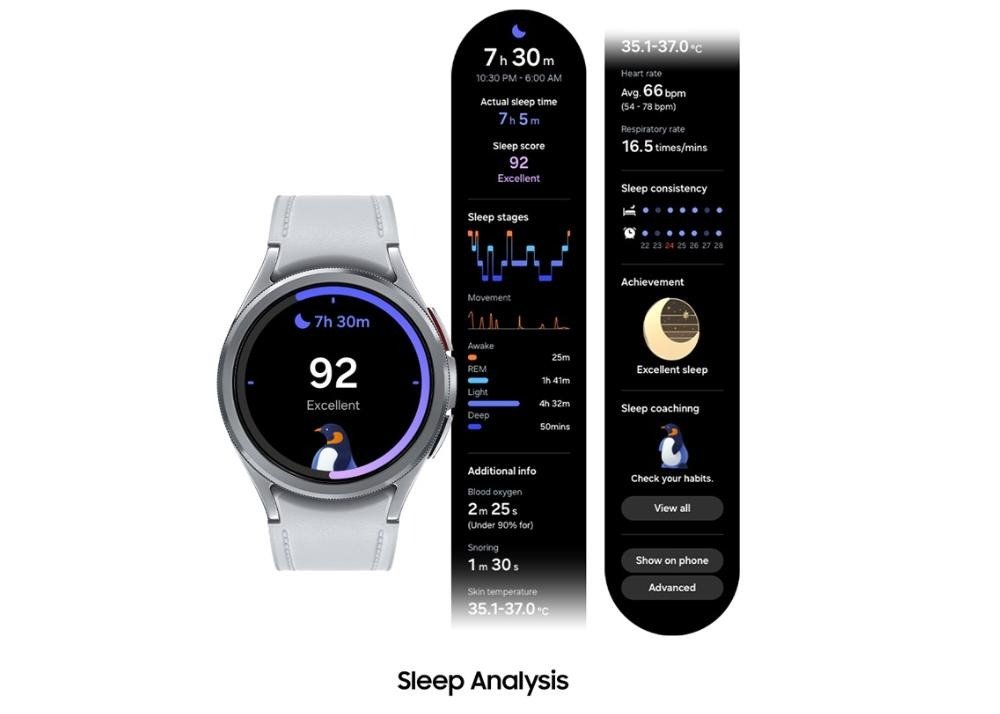
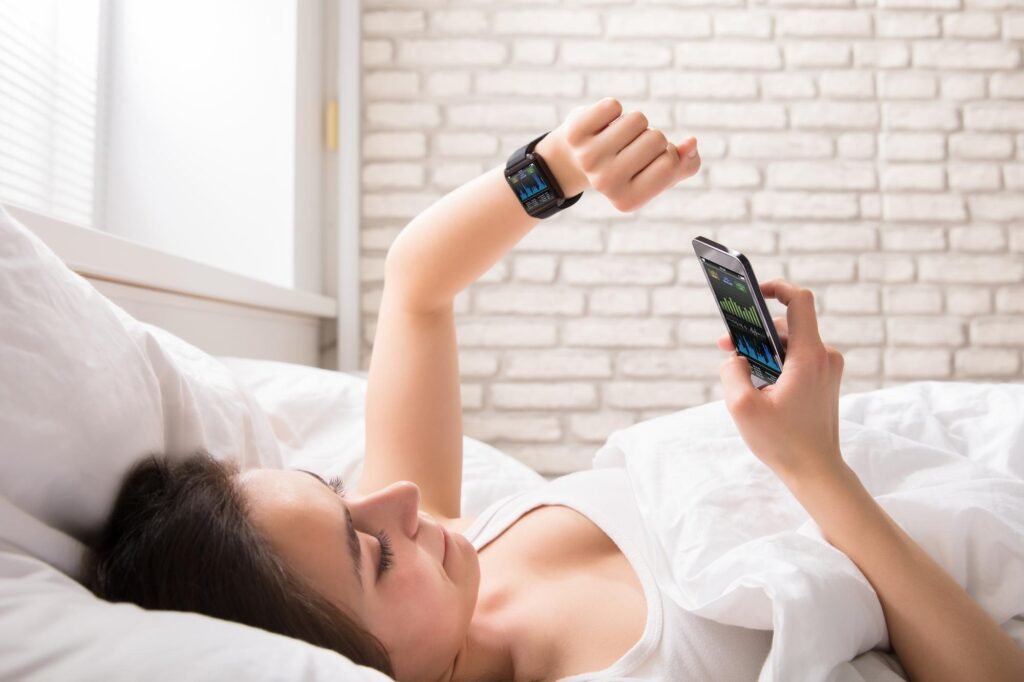
Modern sleep trackers estimate sleep efficiency automatically.
They typically use:
- Motion sensors
- Heart-rate monitoring
- Sleep-stage analysis
Most sleep-tracking apps display sleep efficiency as part of a nightly sleep report.
While these tools are useful, professional sleep studies remain the most accurate way to assess sleep patterns.
How to Improve Sleep Efficiency
Stick to a Consistent Sleep Schedule
Going to bed and waking up at the same time every day helps regulate your body’s internal clock.
Reduce Screen Time Before Bed
Blue light exposure can interfere with melatonin production and delay sleep onset.
Improve Your Sleep Environment
Consider:
- Blackout curtains
- Cooler room temperatures
- Comfortable bedding
- Reduced noise
Avoid Excessive Time Awake in Bed
If you cannot sleep after 20–30 minutes, sleep experts often recommend getting up briefly and returning when you feel sleepy.
Use Sleep Timing Tools
Helpful tools include:
- Sleep Calculator
- Sleep Cycle Calculator
- Nap Calculator
- Jet Lag Calculator
These tools can help align your sleep schedule with natural sleep cycles.
Sleep Efficiency vs Sleep Quality
Although related, these metrics are different.
| Sleep Efficiency | Sleep Quality |
| Percentage-based measurement | Overall sleep experience |
| Focuses on time asleep | Focuses on how rested you feel |
| Easy to calculate | More subjective |
A person can have high sleep efficiency while still experiencing poor sleep quality due to insufficient deep sleep or frequent disruptions.
When Should You Be Concerned?
Occasional poor sleep is normal.
You may want to seek professional guidance if:
- Sleep efficiency stays below 75%
- You experience persistent daytime fatigue
- You wake frequently during the night
- You snore heavily or stop breathing during sleep
These symptoms may indicate an underlying sleep disorder.
Frequently Asked Questions
How do you calculate sleep efficiency manually?
Divide total sleep time by total time spent in bed and multiply the result by 100.
What is considered a normal sleep efficiency score?
Most sleep experts recommend a score of at least 85%.
Can sleep trackers calculate sleep efficiency accurately?
They provide useful estimates, although professional sleep studies are more accurate.
Why is my sleep efficiency low even when I stay in bed longer?
Spending more time in bed does not guarantee more sleep. Frequent awakenings and difficulty falling asleep can lower efficiency.
Is sleep efficiency related to sleep quality?
Yes, but they are not the same. Sleep efficiency measures sleeping time, while sleep quality reflects how restorative sleep feels.
Conclusion
Understanding how you calculate sleep efficiency can help you look beyond simple sleep duration and evaluate how effectively you’re sleeping. The calculation is straightforward, but the insights it provides can be valuable for improving sleep habits and overall well-being.
A score above 85% is generally considered healthy. If your score is consistently lower, improving sleep hygiene and tracking your sleep patterns may help you achieve more restorative rest.