Do you usually fall asleep within a few minutes of getting into bed, or do you spend half an hour staring at the ceiling?
The time between lying down to sleep and actually falling asleep is called sleep latency. While many people focus on how many hours they sleep, sleep latency is another useful way to understand overall sleep habits.
A Sleep Latency Calculator helps estimate the time it takes you to fall asleep by comparing when you went to bed with when you believe you actually fell asleep. Tracking this over several nights can reveal patterns and help you build a healthier bedtime routine.
What Is a Sleep Latency Calculator?
Quick Answer
A Sleep Latency Calculator estimates the amount of time between getting into bed and falling asleep.
Instead of measuring total sleep time, it focuses on sleep onset, helping you understand how quickly you usually fall asleep.
What Is Sleep Latency?
Sleep latency is simply the time it takes to fall asleep after you decide to sleep.
For example:
- Get into bed: 10:30 PM
- Fall asleep: 10:50 PM
Your sleep latency is:
20 minutes
This measurement is often used alongside total sleep time and sleep efficiency to better understand sleep patterns.
How Does a Sleep Latency Calculator Work?
The calculator compares two times:
- Bedtime
- Estimated sleep onset time
Example
| Went to Bed | Fell Asleep | Sleep Latency |
| 10:00 PM | 10:15 PM | 15 minutes |
| 10:30 PM | 10:50 PM | 20 minutes |
| 11:00 PM | 11:35 PM | 35 minutes |
The result estimates how long it typically takes you to fall asleep.

What Is Considered a Normal Sleep Latency?
Quick Answer
Many healthy adults typically fall asleep within 10 to 20 minutes after going to bed.
General guide:
| Sleep Latency | General Interpretation |
| Less than 10 minutes | Falls asleep very quickly |
| 10–20 minutes | Typical for many adults |
| 20–30 minutes | Slightly longer |
| More than 30 minutes | May indicate difficulty falling asleep |
These are general reference ranges and should not be considered medical advice.
Helpful Sleep Tools
If you’re tracking your sleep habits, these tools can work together:
A Sleep Calculator helps estimate ideal bedtimes based on complete sleep cycles, while a Sleep Efficiency Calculator helps measure how efficiently you’re sleeping once you’re in bed.
Why Track Sleep Latency?
Quick Answer
Tracking sleep latency helps you understand how consistently you fall asleep and whether your bedtime routine is working.
Monitoring your sleep latency over time may help you:
- Recognize bedtime patterns
- Compare different sleep routines
- Measure improvements
- Build healthier sleep habits
Consistency often matters more than one unusually short or long night.
What Can Affect Sleep Latency?
Several everyday habits may change how quickly you fall asleep.
Examples include:
- Drinking caffeine late in the day
- Looking at screens before bedtime
- Stressful schedules
- Irregular bedtimes
- Sleeping too late during the day
Making small adjustments may help improve your sleep routine.

How Can You Improve Sleep Latency?
Keep a Consistent Bedtime
Going to bed at approximately the same time each evening helps support your body’s natural rhythm.
Reduce Evening Screen Time
Limiting phones and tablets before bed may help some people fall asleep more easily.
Create a Comfortable Sleep Environment
Aim for:
- A cool bedroom
- Comfortable bedding
- Low light
- Quiet surroundings
Track Your Sleep
Recording your bedtime and sleep onset time each morning helps identify long-term patterns.
Can Naps Affect Sleep Latency?
Yes.
Long naps late in the afternoon may delay bedtime for some people.
A Nap Calculator can help estimate a nap duration that supports your nighttime sleep routine.
What About Jet Lag?
Travel across multiple time zones can temporarily increase sleep latency while your body adjusts to a new schedule.
A Jet Lag Calculator can help estimate recovery time during this adjustment period.
Frequently Asked Questions
What is a Sleep Latency Calculator?
A Sleep Latency Calculator estimates how long it takes you to fall asleep after getting into bed.
What is normal sleep latency?
Many healthy adults typically fall asleep within 10–20 minutes.
Is shorter sleep latency always better?
Not necessarily. Falling asleep almost immediately every night may sometimes reflect accumulated sleep loss.
Can sleep trackers estimate sleep latency?
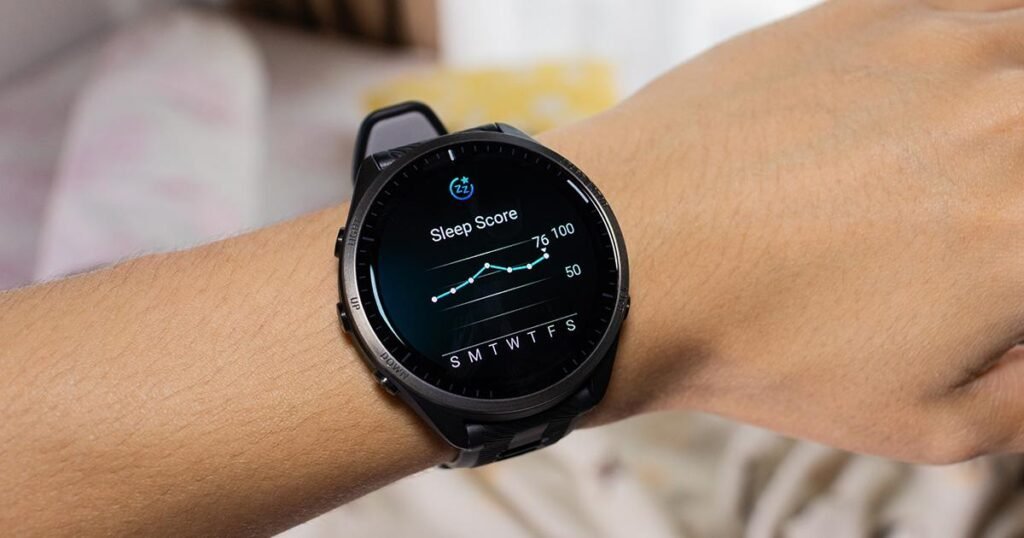
Yes. Many wearable devices and sleep tracking apps provide estimated sleep latency based on movement and other signals.
Can improving bedtime habits reduce sleep latency?
For many people, maintaining a consistent bedtime routine can help improve sleep latency over time.
Conclusion
A Sleep Latency Calculator is a simple tool for measuring how long it takes you to fall asleep each night. By tracking your sleep onset time, you can better understand your bedtime routine, identify patterns, and make practical adjustments that support healthier sleep habits.
Combined with consistent schedules and other sleep planning tools, monitoring sleep latency can help you build a more restful and predictable sleep routine.