Missing an hour of sleep on Monday may not seem like a big deal.
Do the same thing every night for an entire week, though, and you’ve accumulated several hours of missed sleep without realizing it. That’s why many people feel exhausted by Friday, even if they can’t explain why.
A Weekly Sleep Debt Calculator helps you estimate how much sleep you’ve lost over the past seven days by comparing the sleep your body needs with the sleep you actually get. Instead of guessing, you can see your weekly sleep pattern clearly and make informed adjustments.
What Is a Weekly Sleep Debt Calculator?
Quick Answer
A Weekly Sleep Debt Calculator estimates how much sleep you’ve missed during the last seven days.
It compares your nightly sleep requirement with your actual sleep and adds the differences together to estimate your total weekly sleep debt.
How Does a Weekly Sleep Debt Calculator Work?
The calculator uses a simple formula:
Weekly Sleep Debt = Total Sleep Needed − Total Sleep Received
For example:
If you need 8 hours of sleep each night:
- Weekly sleep needed: 56 hours
- Weekly sleep received: 49 hours
Weekly Sleep Debt = 7 hours
This provides a practical estimate of your accumulated sleep loss.
Weekly Sleep Debt Example
| Day | Sleep Needed | Sleep Received | Sleep Debt |
| Monday | 8 hrs | 7 hrs | 1 hr |
| Tuesday | 8 hrs | 6 hrs | 2 hrs |
| Wednesday | 8 hrs | 7 hrs | 1 hr |
| Thursday | 8 hrs | 8 hrs | 0 hrs |
| Friday | 8 hrs | 6 hrs | 2 hrs |
| Saturday | 8 hrs | 7 hrs | 1 hr |
| Sunday | 8 hrs | 8 hrs | 0 hrs |
Total Weekly Sleep Debt: 7 Hours
Looking at an entire week gives a much better picture than focusing on one night alone.

Why Track Sleep Weekly?
Quick Answer
Weekly tracking helps identify patterns that daily tracking may miss.
It can help you:
- Notice recurring sleep loss
- Build a healthier bedtime routine
- Monitor recovery progress
- Improve sleep consistency
- Avoid long-term sleep debt
Small sleep deficits often become obvious when viewed across an entire week.
Helpful Sleep Tools
If you’re improving your overall sleep routine, these tools work well together:
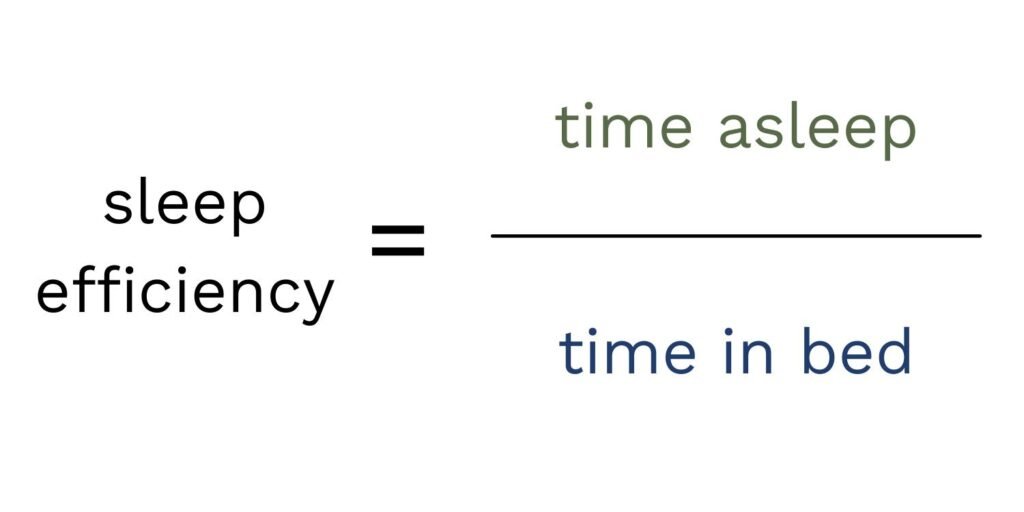
A Sleep Calculator helps estimate the best bedtime based on sleep cycles, while a Sleep Efficiency Calculator measures how effectively you’re sleeping after getting into bed.
What Causes Weekly Sleep Debt?
Many everyday habits contribute to sleep debt.
Common examples include:
- Working late
- Watching TV or scrolling before bed
- Parenting responsibilities
- Shift work
- Travel
- Early morning schedules
Losing just one hour of sleep each night creates a 7-hour sleep debt in only one week.
Can You Recover Weekly Sleep Debt?
Quick Answer
Yes.
Most people can gradually reduce weekly sleep debt by consistently getting enough high-quality sleep over the following days.
Helpful recovery strategies include:
- Going to bed earlier
- Maintaining a regular bedtime
- Improving sleep quality
- Avoiding repeated late nights
Gradual recovery is generally more effective than trying to “catch up” in a single weekend.

Do Naps Count Toward Recovery?
Short naps may temporarily improve:
- Alertness
- Mood
- Focus
- Energy
However, naps should support regular nighttime sleep rather than replace it.
A Nap Calculator can help estimate the ideal nap duration based on your schedule.
What About Jet Lag?
Travel across multiple time zones can increase your weekly sleep debt by disrupting your normal sleep schedule.
A Jet Lag Calculator helps estimate how long your body may need to adjust while you gradually return to a consistent sleep routine.
Tips for Reducing Weekly Sleep Debt
Maintain the Same Bedtime
Consistency helps regulate your body’s internal clock.
Track Sleep Every Day
Recording your sleep each morning provides more accurate weekly data.
Improve Your Sleep Environment
Aim for:
- A cool bedroom
- Minimal light
- Quiet surroundings
- Comfortable bedding
Avoid Late Caffeine
Caffeine consumed late in the day may delay sleep onset.
Frequently Asked Questions
What is a Weekly Sleep Debt Calculator?
A Weekly Sleep Debt Calculator estimates how much sleep you’ve missed over the past seven days.
How is weekly sleep debt calculated?
It compares your total weekly sleep requirement with the total amount of sleep you actually received.
Can I eliminate weekly sleep debt in one night?
Usually not. Consistent recovery over several nights is generally more effective.
Is weekly sleep tracking useful?
Yes. Weekly trends often reveal sleep patterns that aren’t obvious from a single night’s sleep.
Can naps reduce weekly sleep debt?
Short naps may improve alertness, but consistent nighttime sleep remains the most effective way to recover.
Conclusion
A Weekly Sleep Debt Calculator helps you understand how small nightly sleep losses accumulate throughout the week. By tracking your sleep consistently and comparing it with your sleep needs, you can identify patterns, improve your bedtime routine, and gradually reduce sleep debt.
Combined with healthy sleep habits and regular sleep planning, this simple tool can help you maintain better energy and overall well-being throughout the week.