Almost everyone has experienced that afternoon energy crash.
Your eyes feel heavy, your focus starts to fade, and even a simple task seems to take twice as long. A short nap can help—but only if it’s timed correctly.
Sleep too little, and you may still feel tired. Sleep too long, and you might wake up groggy and even more exhausted than before.
A Power Nap Calculator helps you determine the best time to wake up based on your available time and natural sleep cycles, making naps more refreshing and productive.
What Is a Power Nap Calculator?
Quick Answer
A Power Nap Calculator is a tool that estimates the best nap duration so you can wake up feeling refreshed instead of sleepy.
It helps you choose:
- When to start your nap
- When to wake up
- Ideal nap duration
- Sleep cycle timing
The goal is to maximize alertness while minimizing sleep inertia, also known as post-nap grogginess.
What Is a Power Nap?
A power nap is a short period of sleep designed to improve alertness without entering prolonged deep sleep.
Most power naps last:
- 10–20 minutes
Some people also choose a 90-minute nap, which allows enough time to complete one full sleep cycle.
Why Nap Length Matters
Your brain moves through different stages of sleep.
If you wake up during deep sleep, you may feel:
- Groggy
- Disoriented
- Slower to think
A properly timed nap reduces the chance of waking during deep sleep.
Common Power Nap Lengths
| Nap Length | Best For |
| 10 Minutes | Quick energy boost |
| 20 Minutes | Improved alertness and focus |
| 30 Minutes | Moderate recovery but may cause grogginess |
| 60 Minutes | Memory and learning benefits |
| 90 Minutes | One complete sleep cycle and deeper recovery |

How Does a Power Nap Calculator Work?
Quick Answer
The calculator estimates the best wake-up time based on when you fall asleep and your desired nap length.
Many calculators account for:
- Sleep cycle timing
- Sleep onset
- Available time
- Wake-up goals
Instead of guessing when to wake up, the calculator provides a planned schedule.
Benefits of Power Naps
A well-timed power nap may help improve:
- Alertness
- Concentration
- Memory
- Mood
- Productivity
- Reaction time
Many professionals, students, and athletes use short naps to maintain performance during busy days.
Helpful Sleep Tools
If you’re improving your sleep routine, these tools can work together:
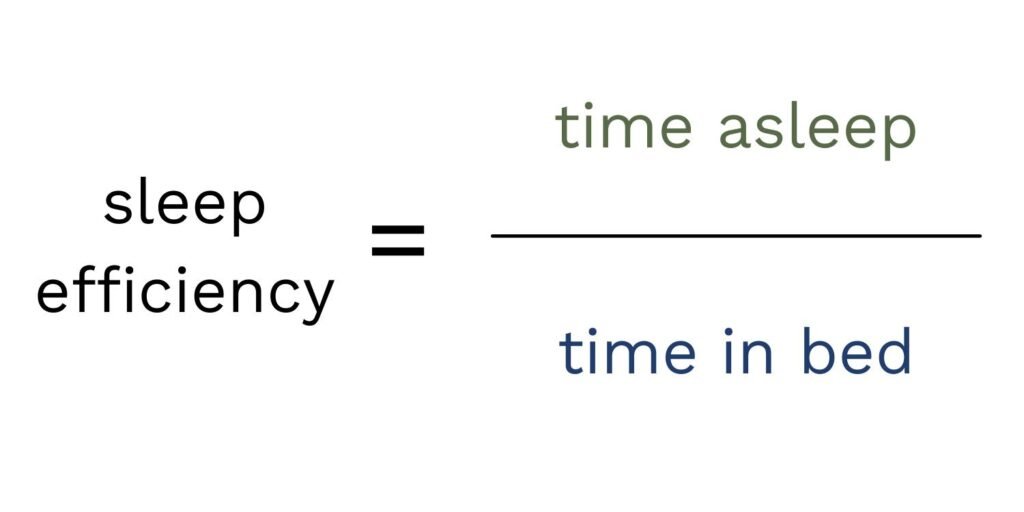
A Sleep Calculator helps determine ideal bedtime based on complete sleep cycles, while a Sleep Efficiency Calculator can help you monitor how well you’re sleeping overall.
When Is the Best Time to Take a Power Nap?
Quick Answer
For most people, the best time is early to mid-afternoon, often between 1:00 PM and 3:00 PM.
This timing usually aligns with the natural afternoon dip in alertness without interfering with nighttime sleep.
Individual schedules may vary.
Can Power Naps Help With Sleep Debt?
Yes—but only partially.
Power naps may:
- Reduce fatigue
- Improve focus
- Increase alertness
However, they cannot fully replace consistent nighttime sleep.
If you’re carrying significant sleep debt, improving your overnight sleep remains the most effective solution.

Can Power Naps Improve Work Performance?
Many people notice better performance after a short nap.
Potential benefits include:
- Faster reaction times
- Better decision-making
- Improved concentration
- Reduced mental fatigue
These benefits are especially valuable during long workdays or periods of intense study.
Do Power Naps Affect Nighttime Sleep?
Quick Answer
They can.
Late-evening or overly long naps may make it harder to fall asleep at night.
To reduce this risk:
- Keep naps short.
- Nap earlier in the day.
- Maintain a consistent bedtime.
Using a Nap Calculator can help you choose an appropriate nap duration.
What About Jet Lag?
Travel across multiple time zones often disrupts your sleep schedule.
Strategic power naps may improve daytime alertness while your body adjusts.
A Jet Lag Calculator can help estimate recovery time and support better nap planning during travel.
Tips for the Perfect Power Nap
Find a Quiet Place
A calm environment helps you fall asleep more quickly.
Set an Alarm
Avoid accidentally sleeping much longer than planned.
Stay Consistent
Taking naps around the same time each day can support a healthy routine.
Avoid Caffeine Right Before Napping
Although some people use a “coffee nap,” most people benefit from simply allowing themselves to relax and sleep naturally.
Frequently Asked Questions
What is a Power Nap Calculator?
A Power Nap Calculator helps determine the best nap duration and wake-up time based on your available time.
How long should a power nap be?
Most experts recommend 10–20 minutes for a quick energy boost or about 90 minutes for one complete sleep cycle.
Can power naps replace nighttime sleep?
No. Power naps improve alertness but are not a substitute for regular overnight sleep.
When is the best time for a power nap?
Early afternoon is generally the best time for most people.
Why do I feel worse after some naps?
Waking during deep sleep may cause temporary grogginess, known as sleep inertia.
Conclusion
A Power Nap Calculator makes it easier to plan naps that leave you feeling refreshed instead of sluggish. By choosing the right nap length and timing, you can improve focus, increase productivity, and reduce daytime fatigue without disrupting your nighttime sleep.
Whether you’re studying, working, traveling, or simply trying to recharge, a well-planned power nap can become a valuable part of a healthy sleep routine.