Missing a few hours of sleep might not seem like a big deal.
You stay up late to finish work, binge-watch your favorite series, or catch an early flight. The next morning, you promise yourself you’ll sleep longer tomorrow.
But after several nights of short sleep, that missing rest starts to add up. This is known as sleep debt, and it can leave you feeling tired, unfocused, and less productive.
The good news is that sleep debt can often be reduced with healthy sleep habits and patience. The key is understanding that recovery usually happens over several days rather than in a single night.
How to Catch Up on Sleep Debt
Quick Answer
The best way to catch up on sleep debt is to gradually increase your sleep while maintaining a consistent sleep schedule.
Recovery strategies include:
- Going to bed earlier
- Sleeping enough every night
- Taking short, strategic naps
- Improving sleep quality
- Avoiding irregular sleep schedules
Trying to recover all your lost sleep in one weekend is usually less effective than consistent, healthy sleep over several days.
What Is Sleep Debt?
Sleep debt is the difference between the amount of sleep your body needs and the amount you actually get.
For example:
| Sleep Needed | Sleep Obtained | Sleep Debt |
| 8 Hours | 6 Hours | 2 Hours |
If you lose two hours of sleep every night for five days, you build approximately ten hours of sleep debt.
Why Sleep Debt Matters
Sleep debt affects both your body and your brain.
Common effects include:
- Daytime fatigue
- Difficulty concentrating
- Mood changes
- Slower reaction times
- Reduced productivity
- Poor athletic recovery
The longer sleep debt continues, the greater its impact on daily life.
Can You Recover From Sleep Debt?
Quick Answer
Yes, but recovery usually takes time.
Small amounts of sleep debt may improve after several nights of adequate sleep.
Chronic sleep debt often requires consistent recovery over days or even weeks.
There is no instant solution that completely erases accumulated sleep loss.

Best Ways to Catch Up on Sleep Debt
1. Go to Bed Earlier
One of the simplest ways to reduce sleep debt is to increase your nightly sleep duration.
Even adding 30–60 minutes each night can make a difference over time.
2. Maintain a Consistent Wake-Up Time
Sleeping until noon on weekends may seem helpful, but dramatic schedule changes can disrupt your circadian rhythm.
Consistency is often more effective than occasional oversleeping.
3. Improve Sleep Quality
Better sleep quality means your body uses sleep more efficiently.
Helpful habits include:
- Limiting screen time before bed
- Keeping the bedroom cool and dark
- Avoiding caffeine late in the day
- Creating a relaxing bedtime routine
4. Use Short Naps Wisely
Short naps may improve:
- Alertness
- Focus
- Mood
However, long naps can interfere with nighttime sleep.
Helpful Sleep Tools
If you’re working to recover from sleep debt, these tools can make planning easier:
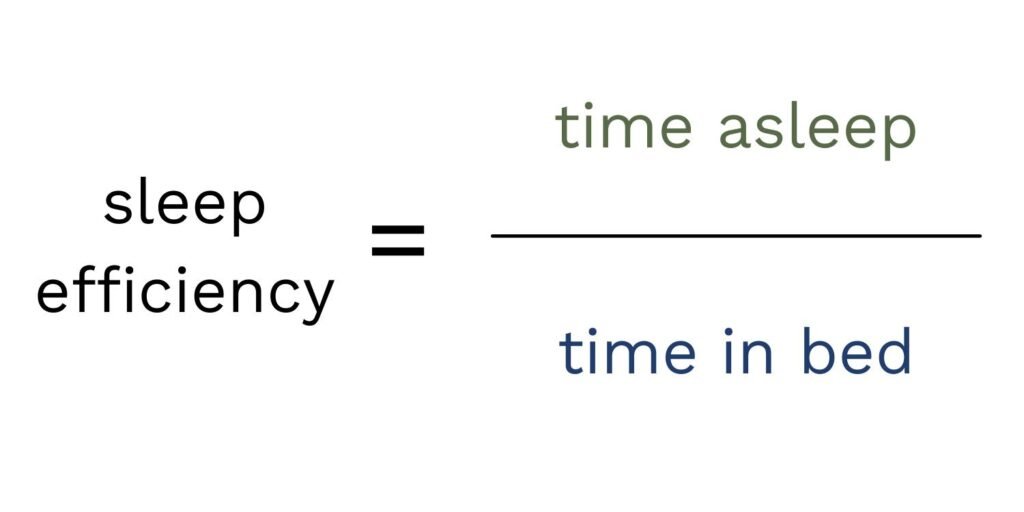
A Sleep Calculator can help you choose the best bedtime based on sleep cycles, while a Sleep Efficiency Calculator can show how effectively you’re sleeping once you’re in bed.
How Long Does It Take to Catch Up on Sleep Debt?
Recovery depends on several factors:
- Amount of sleep debt
- Sleep quality
- Age
- Overall health
- Daily routine
General estimates:
| Sleep Debt | Estimated Recovery |
| 1–3 Hours | 1–2 Days |
| 5–10 Hours | Several Days |
| Chronic Sleep Debt | One to Several Weeks |
Everyone recovers at a different pace.
Do Weekend Sleep-Ins Help?
Quick Answer
Yes, but only partially.
Sleeping longer on weekends may reduce some accumulated sleep debt, but it usually doesn’t erase weeks or months of insufficient sleep.
Large weekend schedule changes may also make it harder to fall asleep on Sunday night.
Can Naps Help You Catch Up?
Quick Answer
Yes, naps can reduce fatigue and improve alertness.
A short afternoon nap may help:
- Increase focus
- Improve mood
- Reduce daytime sleepiness
Using a Nap Calculator can help you avoid waking during deep sleep, reducing grogginess afterward.

What About Travel and Jet Lag?
Travel can make sleep debt even worse.
Crossing multiple time zones often disrupts your circadian rhythm and delays recovery.
If travel contributes to your sleep loss, a Jet Lag Calculator can help estimate how long your body may need to adjust and support a more effective recovery plan.
Signs You’re Recovering From Sleep Debt
As recovery progresses, you may notice:
- More consistent energy
- Better concentration
- Improved mood
- Faster reaction times
- Less dependence on caffeine
These improvements usually occur gradually rather than overnight.
Mistakes to Avoid
Sleeping Excessively on One Day
A single long sleep rarely eliminates significant sleep debt.
Ignoring Sleep Quality
More hours in bed don’t always mean better sleep.
Depending on Caffeine
Caffeine may temporarily increase alertness but doesn’t replace lost sleep.
Staying Up Late Again
Building new sleep debt slows your recovery progress.
Can You Prevent Sleep Debt?
Yes.
Healthy habits include:
- Keeping a regular bedtime
- Sleeping 7–9 hours each night
- Managing stress
- Limiting late-night screen time
- Creating a consistent bedtime routine
Preventing sleep debt is generally easier than recovering from it.
Frequently Asked Questions
How do you catch up on sleep debt?
The best approach is gradually increasing nightly sleep while maintaining a consistent schedule.
Can one night of sleep erase sleep debt?
No. Recovery usually takes several days or longer, depending on the amount of sleep debt.
Do naps help recover sleep debt?
Yes. Short naps can improve alertness but should not replace nighttime sleep.
Is sleeping late on weekends enough?
Weekend recovery sleep may help, but it typically doesn’t eliminate chronic sleep debt.
How long does sleep debt recovery take?
Recovery varies from person to person and depends on the amount of accumulated sleep loss.
Conclusion
Learning how to catch up on sleep debt is about more than simply sleeping longer. Consistent bedtimes, quality sleep, strategic naps, and healthy sleep habits all contribute to recovery.
While it may take several days or even weeks to fully recover from significant sleep debt, small improvements each night can make a meaningful difference in your energy, focus, and overall well-being.