Have you ever slept for eight hours but still felt exhausted when you woke up?
The issue may not be how much sleep you got. It may be where you were in your sleep cycle when the alarm went off.
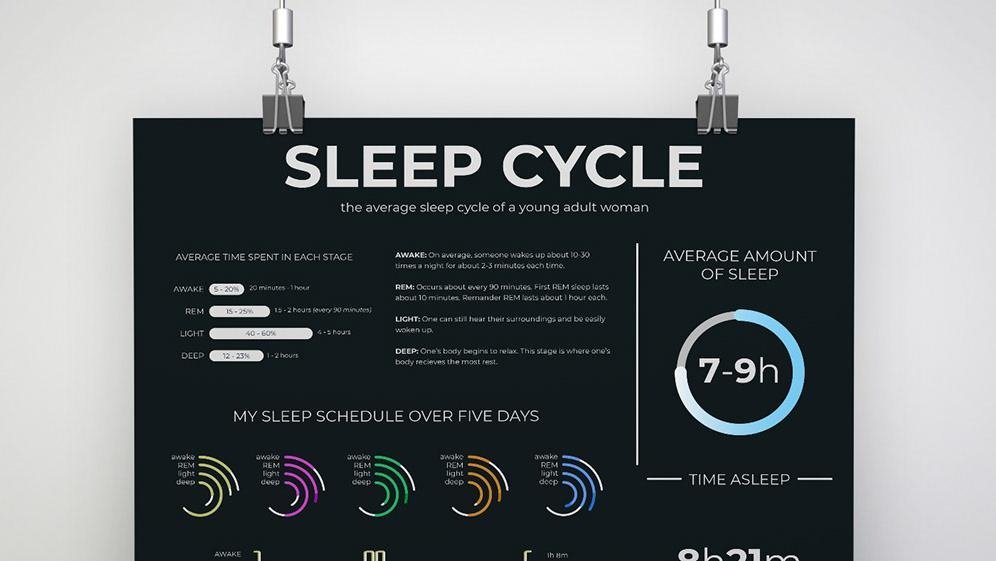
Sleep doesn’t happen in one continuous state. Throughout the night, your body moves through repeating cycles that include light sleep, deep sleep, and REM sleep. Waking up during the wrong stage can leave you feeling groggy, even after a full night’s rest.
A sleep cycle calculator helps estimate the best bedtime or wake-up time based on these natural cycles, making it easier to wake up feeling refreshed.
What Is a Sleep Cycle Calculator?
Quick Answer
A sleep cycle calculator is a tool that estimates ideal bedtimes and wake-up times based on complete sleep cycles.
The calculator considers:
- Average sleep cycle length
- Desired wake-up time
- Recommended sleep duration
- Time needed to fall asleep
Its goal is to help you wake up at the end of a sleep cycle rather than in the middle of deep sleep.
How Long Is a Sleep Cycle?
Quick Answer
A typical sleep cycle lasts about 90 minutes, although individual cycles can range from 70 to 120 minutes.
During the night, most adults complete:
- 4 cycles = About 6 hours
- 5 cycles = About 7.5 hours
- 6 cycles = About 9 hours
This is why many sleep calculators recommend bedtimes based on 90-minute intervals.
What Happens During a Sleep Cycle?
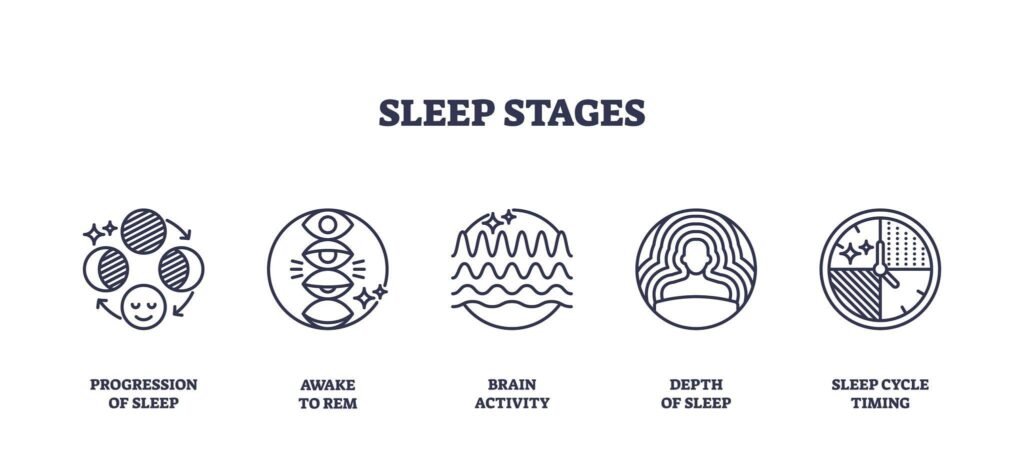
Each sleep cycle consists of multiple stages.
Stage 1: Light Sleep
This is the transition from wakefulness to sleep.
Characteristics include:
- Slower breathing
- Reduced muscle activity
- Easy awakening
Stage 2: Stable Sleep
The body begins preparing for deeper sleep.
During this stage:
- Heart rate slows
- Body temperature decreases
- Brain activity changes
Stage 3: Deep Sleep
Deep sleep is critical for:
- Physical recovery
- Immune system function
- Tissue repair
- Growth hormone release
Waking during this stage often causes significant grogginess.
REM Sleep
REM (Rapid Eye Movement) sleep supports:
- Learning
- Memory consolidation
- Emotional processing
- Brain recovery
Most vivid dreams occur during REM sleep.
How Does a Sleep Cycle Calculator Work?
A sleep cycle calculator counts sleep cycles backward or forward from a target time.
For example:
If you need to wake up at 7:00 AM, the calculator may recommend:
| Sleep Cycles | Suggested Bedtime |
| 6 Cycles | 9:45 PM |
| 5 Cycles | 11:15 PM |
| 4 Cycles | 12:45 AM |
These recommendations typically include approximately 15 minutes to fall asleep.
The goal is to wake up at the end of a cycle rather than during deep sleep.
Why Sleep Cycles Matter

Sleep cycles play a major role in how you feel each morning.
Waking at the end of a cycle may help:
- Improve alertness
- Reduce grogginess
- Enhance concentration
- Increase energy levels
Waking during deep sleep can lead to:
- Sleep inertia
- Brain fog
- Slower reaction times
- Morning fatigue
This is one reason sleep timing can matter as much as sleep duration.
Sleep Cycle Calculator Example
Let’s assume:
- Desired wake-up time: 6:30 AM
- Average sleep latency: 15 minutes
Recommended bedtimes may include:
| Sleep Cycles | Bedtime |
| 6 Cycles (9 Hours) | 9:15 PM |
| 5 Cycles (7.5 Hours) | 10:45 PM |
| 4 Cycles (6 Hours) | 12:15 AM |
Many online sleep cycle calculators generate these times automatically.
How Much Sleep Do Adults Need?
According to sleep health recommendations:
| Age Group | Recommended Sleep |
| Teenagers | 8–10 Hours |
| Adults | 7–9 Hours |
| Older Adults | 7–8 Hours |
For most adults, 5–6 complete sleep cycles provide adequate rest.
Individual sleep needs may vary.
Benefits of Using a Sleep Cycle Calculator
Better Sleep Timing
It helps align sleep with natural biological rhythms.
Less Morning Grogginess
Waking at the end of a cycle often feels easier.
Improved Sleep Consistency
Regular sleep timing supports circadian rhythm health.
Better Daily Performance
Good sleep timing can improve:
- Focus
- Productivity
- Mood
- Energy
Sleep Cycle Calculator vs Sleep Calculator
These tools are similar but slightly different.
| Sleep Cycle Calculator | Sleep Calculator |
| Focuses specifically on sleep cycles | Broader sleep timing tool |
| Uses cycle-based recommendations | May include bedtime calculations |
| Helps reduce sleep inertia | Helps optimize sleep duration |
Many websites combine both features into a single tool.
Factors That Affect Sleep Cycles
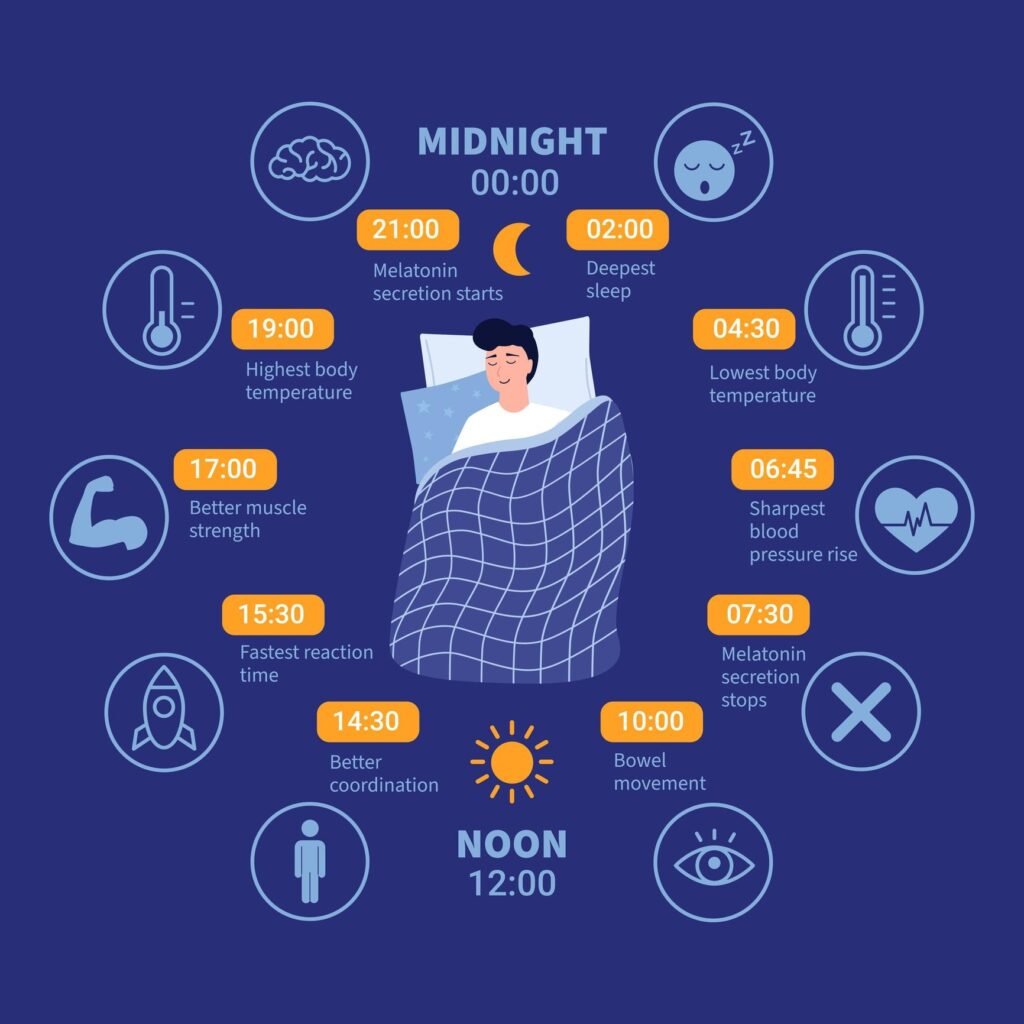
Several factors can influence sleep cycle patterns.
Stress
Mental stress may increase nighttime awakenings.
Caffeine
Late caffeine consumption can delay sleep onset.
Alcohol
Alcohol often disrupts REM sleep.
Shift Work
Irregular schedules can affect circadian rhythms.
Sleep Disorders
Conditions such as:
- Insomnia
- Sleep apnea
- Restless legs syndrome
may disrupt normal sleep cycles.
How to Improve Sleep Cycle Quality
Keep a Consistent Schedule
Going to bed and waking up at similar times each day supports healthy sleep cycles.
Reduce Evening Screen Time
Blue light may interfere with melatonin production.
Create a Sleep-Friendly Environment
Your bedroom should be:
- Cool
- Quiet
- Dark
- Comfortable
Exercise Regularly
Physical activity often supports healthier sleep patterns.
Use Sleep Planning Tools
Helpful resources include:
- Sleep Calculator
- Sleep Schedule Calculator
- Nap Calculator
- Jet Lag Calculator
These tools can help improve sleep timing and consistency.
Frequently Asked Questions
What is a sleep cycle calculator?
A sleep cycle calculator estimates ideal bedtimes and wake-up times based on complete sleep cycles.
How long is a sleep cycle?
Most sleep cycles last approximately 90 minutes.
How many sleep cycles should adults get?
Most adults benefit from 5–6 complete sleep cycles each night.
Can a sleep cycle calculator improve sleep quality?
It may improve sleep timing and reduce morning grogginess.
Is a sleep cycle calculator accurate?
It provides useful estimates based on average sleep cycles, but individual sleep patterns vary.
Conclusion
A sleep cycle calculator helps align your sleep schedule with the body’s natural sleep stages. By timing sleep around complete cycles, you may wake up feeling more refreshed, alert, and energized.
Although no calculator can guarantee perfect sleep, combining cycle-based timing with healthy sleep habits can significantly improve your overall sleep experience.