work and improve your sleep quality.
Introduction
Most people focus on getting enough sleep, but timing matters just as much as duration.
Have you ever slept for eight hours and still felt exhausted when your alarm rang? The reason may be that you woke up in the middle of a sleep cycle.
A sleep calculator helps estimate the best times to go to bed or wake up based on your body’s natural sleep cycles. Instead of counting hours alone, it uses sleep cycle timing to help you wake up feeling more refreshed and alert.
Whether you’re trying to improve sleep quality, reduce morning grogginess, or create a healthier sleep routine, a sleep calculator can be a useful tool.
What Is a Sleep Calculator?
Quick Answer
A sleep calculator is a tool that estimates ideal bedtimes and wake-up times based on complete sleep cycles.
It considers:
- Sleep cycle length
- Desired wake-up time
- Average time needed to fall asleep
- Recommended sleep duration
The goal is to help you wake up at the end of a sleep cycle rather than during deep sleep.
How Does a Sleep Calculator Work?
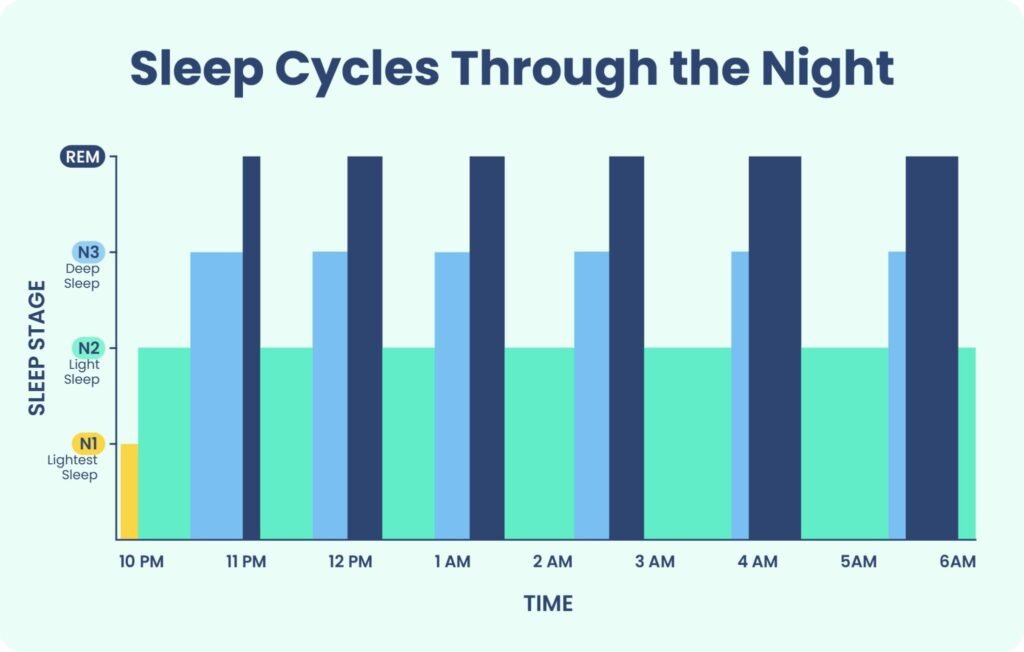
Sleep occurs in repeating cycles throughout the night.
A typical sleep cycle lasts approximately 90 minutes and includes several stages:
Stage 1: Light Sleep
This is the transition from wakefulness to sleep.
Stage 2: Stable Sleep
Heart rate slows and body temperature decreases.
Stage 3: Deep Sleep
This stage is important for physical recovery and immune function.
REM Sleep
REM (Rapid Eye Movement) sleep supports memory, learning, and emotional processing.
Most adults complete 4–6 sleep cycles per night.
Sleep calculators use these cycles to estimate optimal sleep and wake times.
Why Sleep Cycles Matter
Quick Answer
Waking at the end of a sleep cycle is often easier than waking during deep sleep.
When you wake during deep sleep, you may experience:
- Morning grogginess
- Reduced alertness
- Slower reaction times
- Difficulty concentrating
This temporary feeling is known as sleep inertia.
A sleep calculator attempts to reduce sleep inertia by aligning wake-up times with natural cycle completion.
Sleep Calculator Example
Let’s assume you need to wake up at 7:00 AM.
Most calculators add approximately 15 minutes for falling asleep and then count backward in 90-minute cycles.
Recommended bedtimes may include:
| Sleep Cycles | Bedtime |
| 6 Cycles (9 Hours) | 9:45 PM |
| 5 Cycles (7.5 Hours) | 11:15 PM |
| 4 Cycles (6 Hours) | 12:45 AM |
These times help increase the likelihood of waking at the end of a cycle.
How Much Sleep Do You Need?
Recommended sleep varies by age.
| Age Group | Recommended Sleep |
| Teenagers | 8–10 Hours |
| Adults | 7–9 Hours |
| Older Adults | 7–8 Hours |
Most adults feel best after completing 5 or 6 sleep cycles.
Individual sleep needs may vary based on health, activity levels, and lifestyle factors.
Benefits of Using a Sleep Calculator
A sleep calculator can help:
- Improve sleep timing
- Reduce morning grogginess
- Support healthy sleep routines
- Increase sleep consistency
- Improve sleep efficiency
While it cannot guarantee perfect sleep, it provides a practical framework for better sleep planning.
Sleep Calculator vs Sleep Schedule Calculator
These tools are similar but not identical.
| Sleep Calculator | Sleep Schedule Calculator |
| Focuses on bedtime and wake-up calculations | Focuses on long-term sleep planning |
| Uses sleep cycles | Uses sleep cycles and routines |
| Helps optimize nightly sleep | Helps establish consistent schedules |
Many websites combine both features into one tool.
Factors That Affect Sleep Calculator Accuracy

Sleep calculators are based on averages.
Several factors can influence actual sleep needs.
Sleep Latency
Most people take 10–20 minutes to fall asleep.
Stress and Anxiety
Mental stress can delay sleep onset.
Caffeine Use
Late-day caffeine may interfere with sleep timing.
Sleep Disorders
Conditions such as sleep apnea or insomnia can disrupt sleep cycles.
Irregular Schedules
Frequent changes in bedtime may affect sleep quality.
How to Get Better Results From a Sleep Calculator
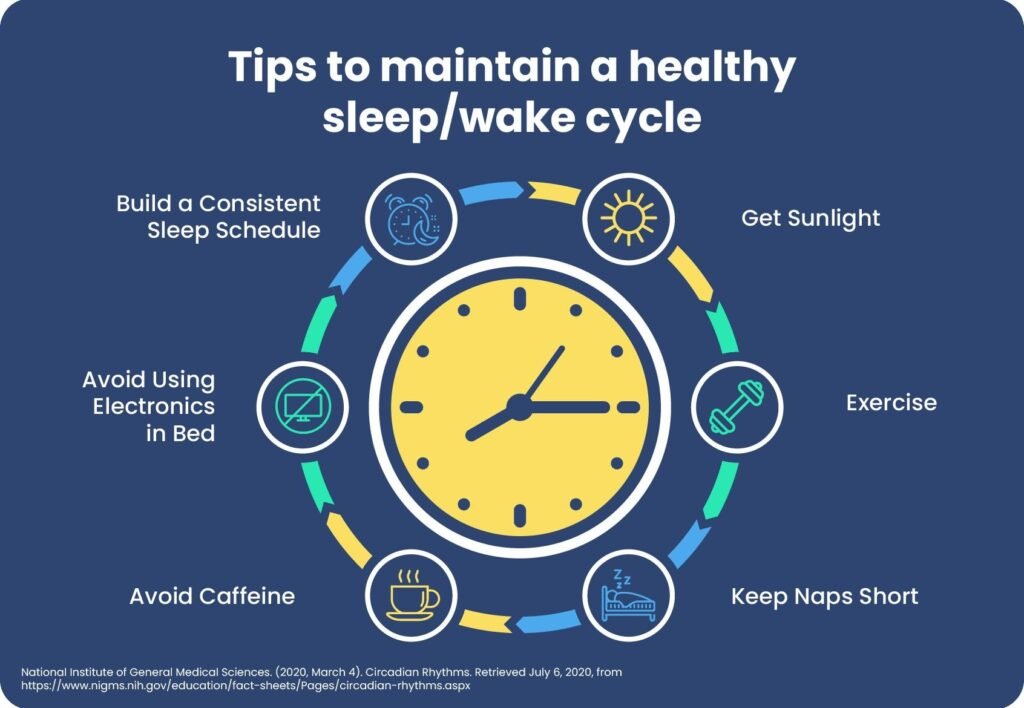
Maintain Consistent Bedtimes
Going to bed at similar times helps regulate circadian rhythms.
Avoid Screens Before Bed
Blue light exposure may delay melatonin production.
Limit Late-Day Caffeine
Reducing caffeine intake during the evening can improve sleep onset.
Create a Relaxing Bedtime Routine
Examples include:
- Reading
- Meditation
- Light stretching
- Deep breathing exercises
Track Your Sleep Patterns
Using sleep trackers alongside a sleep calculator can provide additional insights.
Sleep Calculator and Sleep Quality
A sleep calculator focuses on timing, but timing is only one part of healthy sleep.
Good sleep quality also depends on:
- Sleep efficiency
- Sleep environment
- Sleep consistency
- Physical and mental health
The best results occur when sleep timing and sleep habits work together.
Can a Sleep Calculator Help With Sleep Debt?
Quick Answer
A sleep calculator can help improve future sleep schedules, but it cannot instantly eliminate accumulated sleep debt.
If you’ve been consistently sleeping too little, recovery usually requires:
- Additional sleep
- Better sleep consistency
- Healthy sleep habits
Sleep calculators can help guide the process.
Common Sleep Calculator Mistakes
Ignoring Sleep Latency
Many people forget to account for the time needed to fall asleep.
Prioritizing Quantity Over Quality
Sleeping longer does not always mean sleeping better.
Inconsistent Sleep Schedules
Frequent schedule changes may reduce sleep quality.
Relying Solely on Technology
Sleep calculators are useful tools but should not replace healthy sleep habits.
Frequently Asked Questions
What is a sleep calculator?
A sleep calculator estimates ideal bedtimes and wake-up times based on sleep cycles.
How long is a sleep cycle?
Most sleep cycles last approximately 90 minutes.
How many sleep cycles should adults get?
Most adults benefit from 5–6 complete sleep cycles per night.
Can a sleep calculator improve sleep quality?
It may help improve sleep timing and reduce morning grogginess.
Is a sleep calculator accurate?
It provides useful estimates, but individual sleep patterns vary.
Conclusion
A sleep calculator is a practical tool for improving sleep timing and aligning your schedule with natural sleep cycles. By helping you wake at the end of a cycle rather than during deep sleep, it may reduce grogginess and support better daily performance.
When combined with consistent sleep habits, a healthy sleep environment, and good sleep hygiene, a sleep calculator can become a valuable part of your overall sleep strategy.