Many people judge their sleep based on a simple question: Did I sleep well last night?
While that answer can be useful, researchers and healthcare professionals need a more reliable way to measure sleep quality. That’s where the Sleep Quality Index comes in.
A Sleep Quality Index is a structured scoring system used to evaluate different aspects of sleep, including duration, disturbances, efficiency, and overall restfulness. Rather than focusing on one factor, it provides a broader view of sleep health.
Understanding how sleep quality indexes work can help you better interpret sleep assessments, identify sleep problems, and improve your overall sleep habits.
What Is a Sleep Quality Index?
Quick Answer
A Sleep Quality Index is a standardized method used to measure and score various aspects of sleep quality.
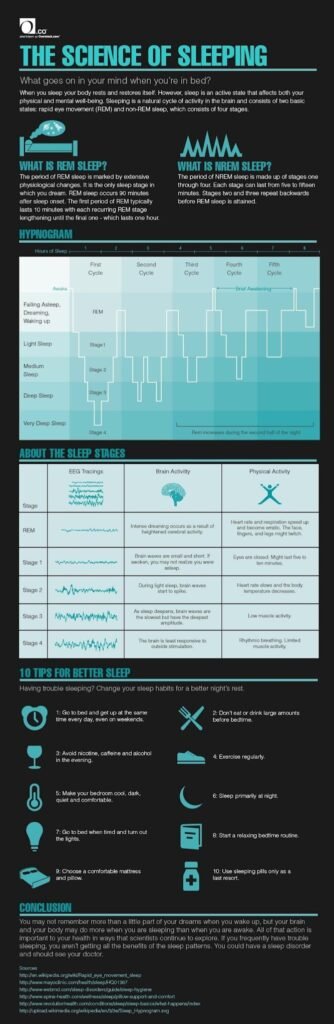
It typically evaluates:
- Sleep duration
- Sleep efficiency
- Sleep disturbances
- Time needed to fall asleep
- Daytime sleepiness
- Overall sleep satisfaction
The goal is to provide a more complete picture of sleep health than sleep duration alone.
Why Sleep Quality Indexes Are Used
Sleep quality is complex.
Two people may sleep for the same number of hours but experience very different outcomes.
For example:
- One person wakes up refreshed.
- Another wakes feeling exhausted.
Sleep quality indexes help researchers and clinicians evaluate these differences in a systematic and measurable way.
They are commonly used in:
- Sleep research
- Healthcare settings
- Wellness programs
- Public health studies
- Academic research
The Most Common Sleep Quality Index
The most widely used sleep quality assessment tool is the Pittsburgh Sleep Quality Index (PSQI).
Developed by sleep researchers, the PSQI is used worldwide to evaluate sleep quality over a one-month period.
The PSQI examines several sleep components and combines them into an overall score.
Areas Measured by the PSQI
| Component | What It Measures |
| Sleep Duration | Total sleep time |
| Sleep Latency | Time needed to fall asleep |
| Sleep Efficiency | Percentage of time asleep |
| Sleep Disturbances | Nighttime interruptions |
| Daytime Dysfunction | Effects on daily activities |
| Sleep Medication Use | Reliance on sleep aids |
| Subjective Sleep Quality | Personal sleep perception |
Together, these categories provide a comprehensive evaluation of sleep quality.
How Sleep Quality Index Scores Work
Quick Answer
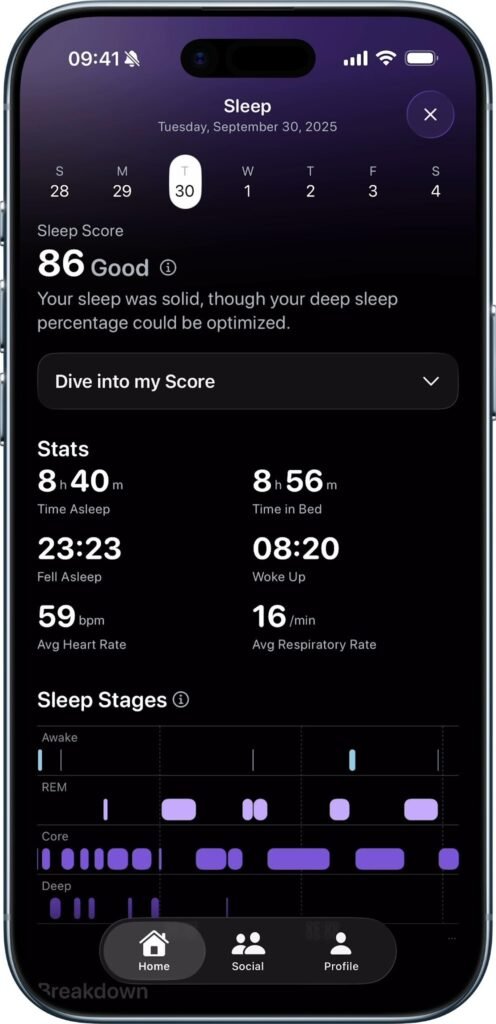
Sleep quality indexes assign scores to different sleep factors and combine them into an overall result.
Higher or lower scores may indicate better or poorer sleep quality depending on the specific index being used.
For example, with the Pittsburgh Sleep Quality Index:
- Lower scores generally indicate better sleep quality.
- Higher scores suggest greater sleep difficulties.
This scoring approach helps researchers compare sleep patterns across individuals and populations.
What Factors Affect Sleep Quality Index Scores?
Several sleep-related factors influence overall scores.
Sleep Duration
Consistently sleeping too little or too much may affect results.
Sleep Efficiency
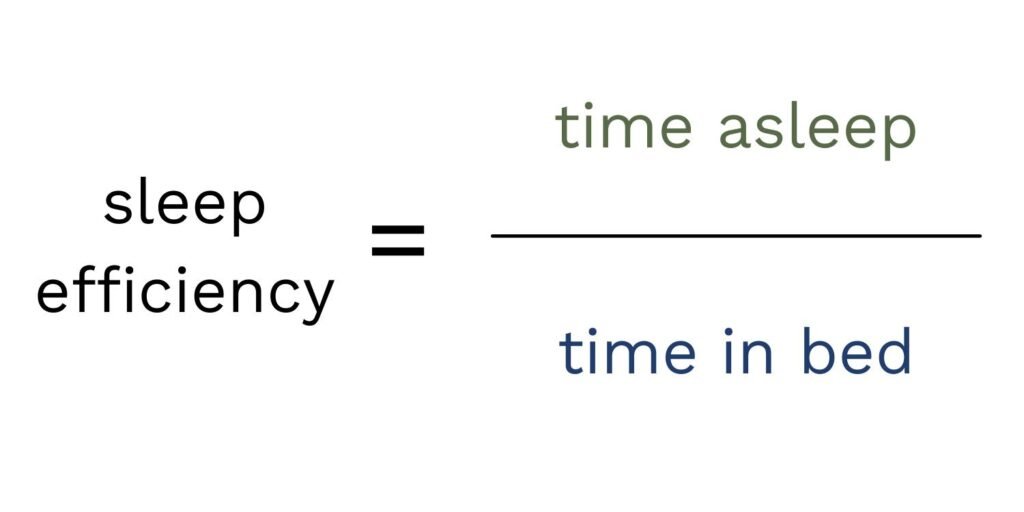
Sleep efficiency measures how much of your time in bed is actually spent sleeping.
Formula:
Sleep Efficiency = (Total Sleep Time ÷ Total Time in Bed) × 100
Sleep Disturbances
Examples include:
- Nighttime awakenings
- Noise disruptions
- Breathing difficulties
- Pain-related interruptions
Sleep Latency
The amount of time needed to fall asleep can significantly affect sleep quality scores.
Daytime Sleepiness
Poor nighttime sleep often leads to:
- Fatigue
- Reduced concentration
- Lower productivity
These symptoms are often included in sleep quality assessments.
Sleep Quality Index vs Sleep Duration
Many people focus only on the number of hours they sleep.
Sleep quality indexes look much deeper.
| Sleep Duration | Sleep Quality Index |
| Measures hours slept | Measures overall sleep quality |
| Single metric | Multiple metrics |
| Easy to track | More comprehensive |
| Doesn’t evaluate recovery | Assesses sleep effectiveness |
A person sleeping eight hours with frequent awakenings may receive a poorer sleep quality score than someone sleeping seven hours continuously.
Sleep Quality Index vs Sleep Score
Although these terms are sometimes confused, they are not identical.
| Sleep Quality Index | Sleep Score |
| Research-based assessment | Consumer-friendly metric |
| Often questionnaire-based | Often device-generated |
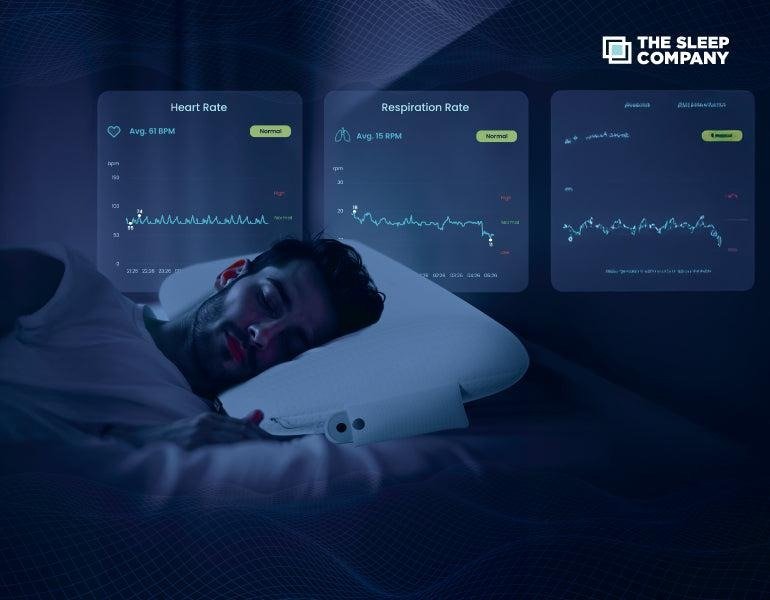
| Used in healthcare and research | Used in apps and wearables |
| Standardized methodology | Brand-specific algorithms |
Both approaches aim to evaluate sleep quality but use different methods.
Signs of Good Sleep Quality
Healthy sleep often includes:
- Falling asleep within 15–20 minutes
- Few nighttime awakenings
- Consistent sleep schedules
- Feeling refreshed in the morning
- Stable daytime energy
People with these characteristics often achieve better sleep quality scores.
Signs of Poor Sleep Quality
Common warning signs include:
- Difficulty falling asleep
- Frequent awakenings
- Morning fatigue
- Daytime sleepiness
- Brain fog
- Mood changes
Persistent symptoms may indicate underlying sleep issues.
How to Improve Sleep Quality Index Scores

Maintain a Consistent Sleep Schedule
Regular bedtimes help regulate circadian rhythms.
Create a Better Sleep Environment
Focus on:
- Darkness
- Quiet surroundings
- Comfortable bedding
- Cool temperatures
Limit Evening Screen Time
Reducing blue light exposure before bed may improve sleep quality.
Exercise Regularly
Physical activity is associated with healthier sleep patterns.
Manage Stress
Techniques such as meditation, journaling, and relaxation exercises may improve sleep quality.
Use Sleep Planning Tools
Helpful tools include:
- Sleep Calculator
- Sleep Cycle Calculator
- Nap Calculator
- Jet Lag Calculator
These tools can help optimize sleep timing and support better sleep habits.
Can a Sleep Quality Index Diagnose Sleep Disorders?
Quick Answer
No. Sleep quality indexes are assessment tools, not diagnostic tests.
They can identify potential sleep concerns, but medical diagnosis requires evaluation by qualified healthcare professionals.
Sleep quality indexes should be viewed as screening and monitoring tools rather than definitive diagnoses.
Frequently Asked Questions
What is a Sleep Quality Index?
A Sleep Quality Index is a scoring system used to evaluate multiple aspects of sleep quality.
What is the Pittsburgh Sleep Quality Index?
The Pittsburgh Sleep Quality Index (PSQI) is one of the most widely used sleep quality assessment tools in research and healthcare.
What does a Sleep Quality Index measure?
It measures factors such as sleep duration, sleep efficiency, sleep disturbances, and daytime functioning.
Is a Sleep Quality Index the same as a sleep score?
No. Sleep quality indexes are often research-based assessments, while sleep scores are commonly generated by sleep-tracking devices.
Can I improve my Sleep Quality Index score?
Yes. Better sleep habits, consistent schedules, and improved sleep hygiene may lead to better scores.
Conclusion
A Sleep Quality Index provides a structured way to evaluate sleep beyond simply counting hours. By measuring factors such as sleep efficiency, disturbances, latency, and daytime functioning, it offers valuable insight into overall sleep health.
Whether used in research, healthcare, or personal wellness tracking, understanding sleep quality indexes can help you identify sleep challenges and work toward healthier, more restorative sleep.