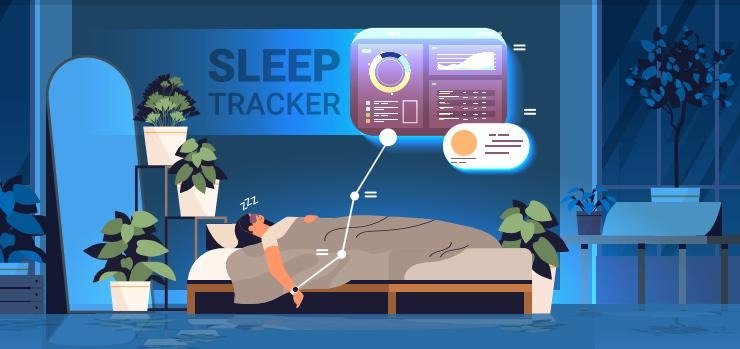
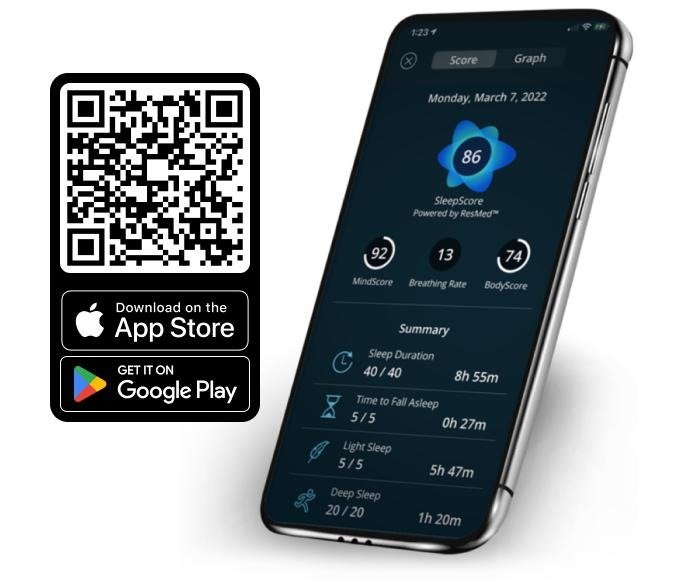
If you’ve ever used a smartwatch, fitness tracker, or sleep app, you’ve probably seen a sleep score displayed after waking up.
You might receive a score of 92 one night and 74 the next, even if you spent a similar amount of time in bed. That often leaves people wondering what those numbers actually mean.
Sleep quality scoring is a method used to evaluate how well you slept based on several factors, not just sleep duration. Most modern sleep trackers analyze sleep stages, awakenings, sleep efficiency, and recovery indicators to generate a score.
Understanding sleep quality scores can help you identify patterns, improve sleep habits, and make better decisions about your daily routine.
What Is Sleep Quality Scoring?
Quick Answer
Sleep quality scoring is a system used to measure how well you slept based on factors such as sleep duration, sleep efficiency, sleep stages, awakenings, and overall recovery.
Most sleep scores range from:
| Sleep Score | Rating |
| 90–100 | Excellent |
| 80–89 | Good |
| 70–79 | Fair |
| Below 70 | Poor |
Higher scores generally indicate more restorative and uninterrupted sleep.
Why Sleep Quality Scores Matter
Sleep quality scores provide a quick snapshot of your sleep health.
Instead of analyzing multiple sleep metrics individually, a sleep score combines them into a single number that’s easier to understand.
Benefits include:
- Identifying poor sleep habits
- Tracking improvements over time
- Understanding sleep consistency
- Monitoring recovery after stress or travel
- Supporting better sleep decisions
Sleep scores are especially useful when viewed over several weeks rather than focusing on a single night.
How Sleep Quality Scoring Works
Quick Answer
Most sleep scoring systems combine several sleep measurements into one overall score.
Common factors include:
- Sleep duration
- Sleep efficiency
- Sleep latency
- Sleep stages
- Nighttime awakenings
- Heart rate patterns
- Sleep consistency
Each factor contributes to the final sleep score.
Sleep Duration and Sleep Scores
Sleep duration remains one of the most important components.
General recommendations for adults:
| Age Group | Recommended Sleep |
| Teenagers | 8–10 Hours |
| Adults | 7–9 Hours |
| Older Adults | 7–8 Hours |
Sleeping significantly less than recommended often lowers sleep quality scores.
However, sleeping longer doesn’t automatically guarantee a high score.
Sleep Efficiency and Sleep Scores
Sleep efficiency measures how much of your time in bed is actually spent sleeping.
Sleep Efficiency Formula
Sleep Efficiency = (Total Sleep Time ÷ Total Time in Bed) × 100
For example:
- Time in bed: 8 hours
- Sleep time: 7 hours
Efficiency:
87.5%
Higher sleep efficiency usually contributes to better sleep scores.
Sleep Stages and Sleep Quality Scoring
Healthy sleep includes multiple stages:
Light Sleep
Supports transitions between sleep cycles.
Deep Sleep
Important for physical recovery and immune function.
REM Sleep
Supports learning, memory, and emotional processing.
Most sleep scoring systems evaluate whether you spend adequate time in each stage.
Balanced sleep stages generally lead to higher scores.
Nighttime Awakenings and Sleep Scores
Frequent awakenings often reduce sleep quality.
Examples include:
- Waking due to noise
- Bathroom trips
- Stress-related awakenings
- Sleep disorders
Even brief awakenings can reduce overall sleep quality if they occur frequently.
Sleep Consistency and Recovery
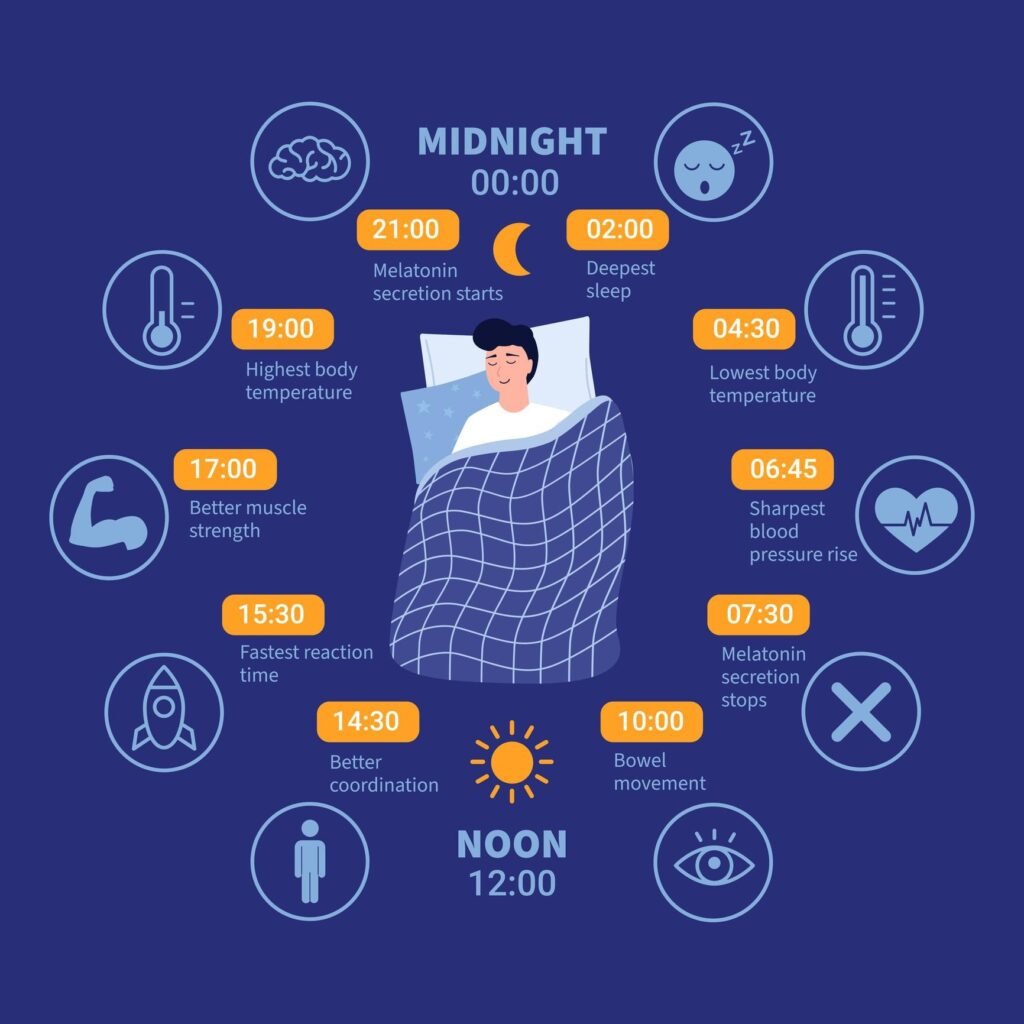
Many modern sleep trackers now consider sleep consistency.
Going to bed at different times every night may reduce sleep quality scores even if total sleep duration remains similar.
Consistent sleep schedules help:
- Support circadian rhythm function
- Improve sleep efficiency
- Enhance recovery
- Stabilize energy levels
What Is a Good Sleep Score?
Quick Answer
Most sleep trackers consider a score above 80 to be good and a score above 90 to be excellent.
| Score | Interpretation |
| 90–100 | Excellent |
| 80–89 | Good |
| 70–79 | Fair |
| Below 70 | Poor |
Keep in mind that different devices use different scoring systems.
A score of 85 on one device may not directly compare to another brand’s scoring method.
Sleep Quality Score vs Sleep Duration
Many people mistakenly focus only on hours slept.
Consider these examples:
| Sleeper | Hours Slept | Sleep Score |
| Person A | 8 Hours | 92 |
| Person B | 8 Hours | 71 |
The difference often comes from:
- Sleep efficiency
- Sleep stages
- Nighttime disruptions
- Recovery quality
This is why sleep quality scoring provides more useful insights than duration alone.
Factors That Can Lower Sleep Scores
Several habits and conditions can negatively affect sleep quality.
Stress and Anxiety
Mental stress can disrupt sleep cycles and increase awakenings.
Excessive Screen Time
Blue light exposure before bed may delay sleep onset.
Caffeine Consumption
Late-day caffeine can interfere with sleep quality.
Alcohol
Alcohol may initially promote sleepiness but often reduces sleep quality later in the night.
Sleep Disorders
Conditions such as:
- Sleep apnea
- Insomnia
- Restless legs syndrome
can significantly lower sleep scores.
How to Improve Sleep Quality Scores
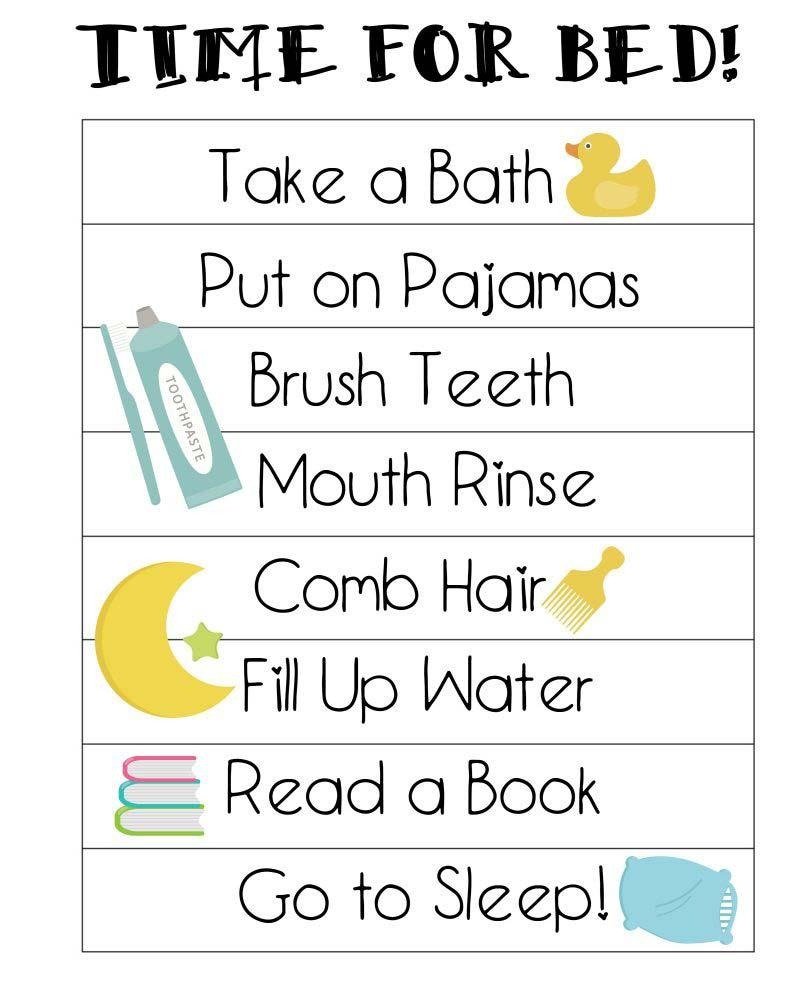
Maintain a Consistent Sleep Schedule
Try to go to bed and wake up at similar times daily.
Create a Better Sleep Environment
Your bedroom should be:
- Quiet
- Dark
- Cool
- Comfortable
Limit Screens Before Bed
Avoid bright screens at least one hour before bedtime.
Exercise Regularly
Physical activity is associated with improved sleep quality and recovery.
Use Sleep Planning Tools
Helpful resources include:
- Sleep Calculator
- Sleep Cycle Calculator
- Nap Calculator
- CalculatorJet Lag
These tools can help optimize sleep timing and support healthier sleep habits.
Can Sleep Scores Diagnose Sleep Problems?
Quick Answer
No. Sleep scores are useful indicators but cannot diagnose medical sleep disorders.
If poor sleep scores persist and symptoms affect daily life, professional evaluation may be appropriate.
Sleep scores should be viewed as guidance rather than medical diagnoses.
Frequently Asked Questions
What is sleep quality scoring?
Sleep quality scoring is a method of evaluating sleep based on factors such as duration, efficiency, sleep stages, and awakenings.
What is a good sleep score?
Most sleep trackers consider scores above 80 to be good and scores above 90 to be excellent.
Do all sleep trackers use the same scoring system?
No. Different brands use different algorithms and scoring methods.
Can poor sleep quality lower my sleep score?
Yes. Frequent awakenings, poor sleep efficiency, and disrupted sleep stages can reduce scores.
Is sleep score more useful than sleep duration?
Sleep scores often provide a more complete picture because they evaluate multiple sleep factors.
Conclusion
Sleep quality scoring offers a practical way to evaluate how well you sleep beyond simply counting hours. By considering factors such as sleep efficiency, sleep stages, awakenings, and consistency, sleep scores provide valuable insight into overall sleep health.
Tracking sleep scores over time can help identify patterns, improve sleep habits, and support better recovery, energy levels, and daily performance.