Many people assume that spending eight hours in bed automatically means they are getting enough sleep. In reality, the amount of time you spend asleep can be very different from the amount of time you spend in bed.
This is where sleep efficiency becomes useful. Sleep efficiency measures how much of your time in bed is actually spent sleeping. It is one of the most common metrics used by sleep specialists, sleep-tracking devices, and researchers to evaluate sleep patterns.
In this guide, you’ll learn how sleep efficiency is calculated, what is considered a good sleep efficiency score, and simple ways to improve it.
What Is Sleep Efficiency?
Sleep efficiency is the percentage of time you spend asleep compared to the total time you spend in bed.
Quick Answer
Sleep efficiency is calculated by dividing total sleep time by total time spent in bed and multiplying by 100.
Formula:
Sleep Efficiency = (Total Sleep Time ÷ Total Time in Bed) × 100
For example:
- Time in bed: 8 hours
- Actual sleep time: 7 hours
Sleep Efficiency = (7 ÷ 8) × 100 = 87.5%
A higher percentage generally indicates more efficient sleep.
Why Sleep Efficiency Matters
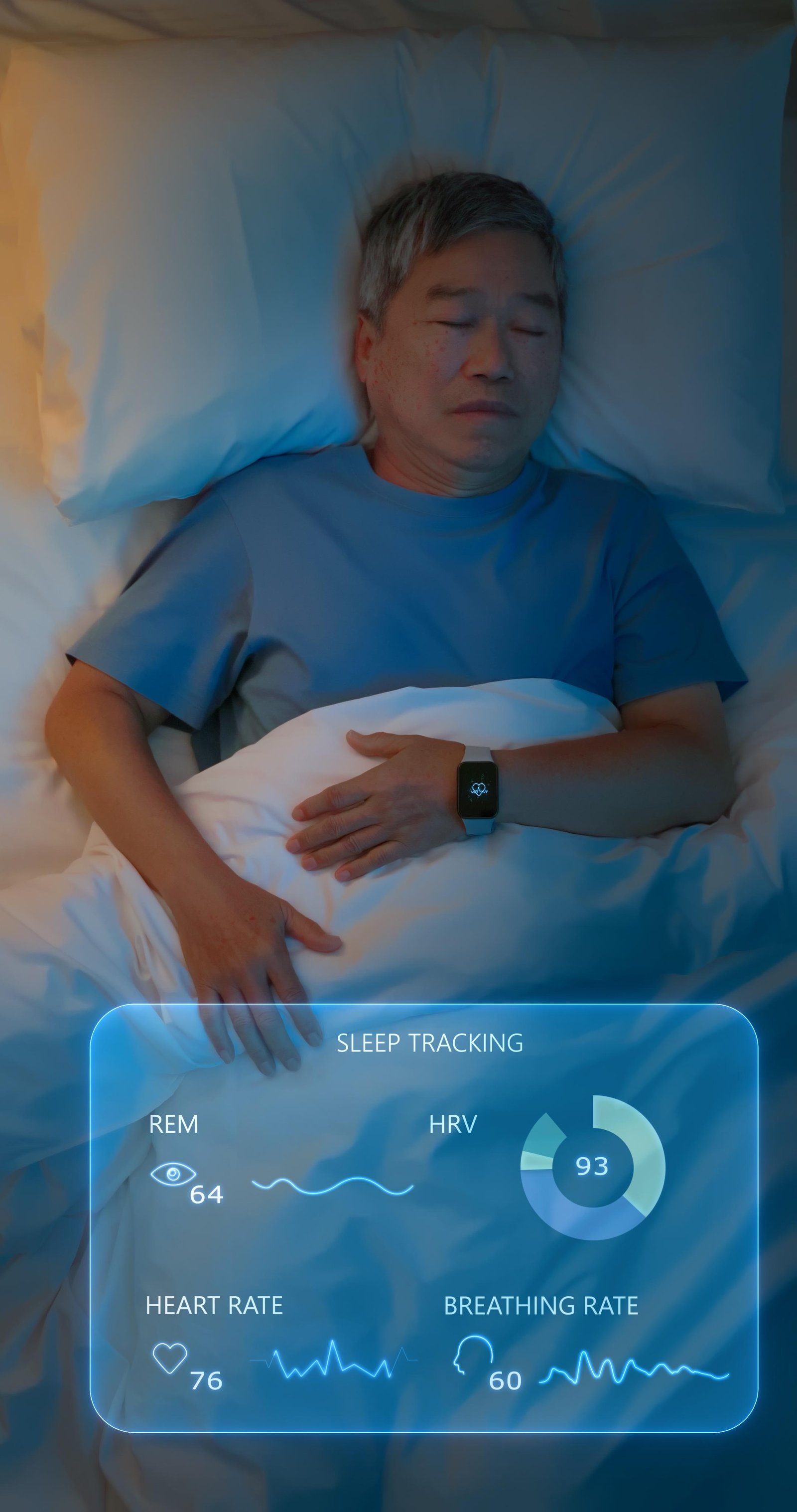
Sleep efficiency helps identify whether you are getting restful sleep or simply spending long periods awake in bed.
People with poor sleep efficiency often:
- Take a long time to fall asleep
- Wake up frequently during the night
- Experience insomnia symptoms
- Feel tired despite spending enough time in bed
Tracking sleep efficiency can help uncover problems that may not be obvious from sleep duration alone.
Sleep Efficiency Calculation Explained
How to Calculate Sleep Efficiency
To calculate sleep efficiency:
- Record the total amount of time spent in bed.
- Measure how much of that time was spent sleeping.
- Divide sleep time by time in bed.
- Multiply by 100.
Example 1
| Metric | Value |
|---|---|
| Time in Bed | 8 Hours |
| Time Asleep | 7 Hours |
| Sleep Efficiency | 87.5% |
Example 2
| Metric | Value |
|---|---|
| Time in Bed | 9 Hours |
| Time Asleep | 6.5 Hours |
| Sleep Efficiency | 72.2% |
Even though the second person spent more time in bed, their sleep efficiency is much lower.
How Do You Calculate Sleep Efficiency Using a Sleep Tracker?
Most modern sleep trackers automatically estimate:
- Sleep duration
- Sleep onset time
- Night awakenings
- Sleep efficiency
Popular sleep-tracking tools and wearables analyze movement, heart rate, and sleep stages to estimate efficiency scores.
Keep in mind that consumer sleep trackers provide estimates and are not as accurate as professional sleep studies.
What Is a Good Sleep Efficiency?
Quick Answer
A good sleep efficiency score is generally considered 85% or higher.
| Sleep Efficiency | Rating |
|---|---|
| 95%+ | Excellent |
| 85–94% | Good |
| 75–84% | Fair |
| Below 75% | Poor |
Most sleep experts consider 85% the minimum target for healthy sleep.
What Causes Low Sleep Efficiency?
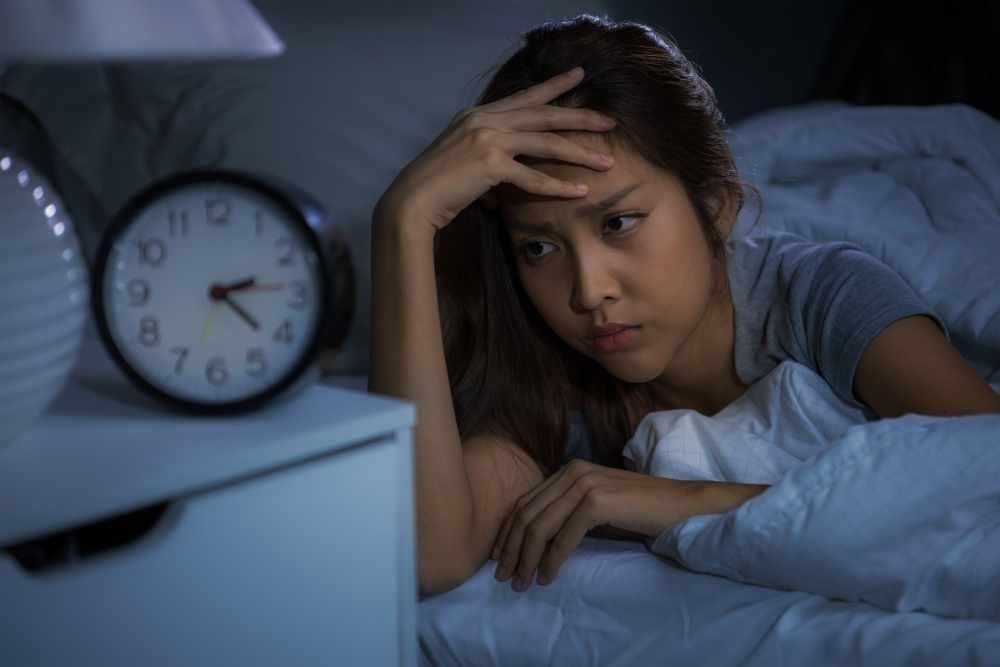
Several factors can reduce sleep efficiency.
Insomnia
People with insomnia often spend long periods awake before falling asleep.
Stress and Anxiety
Mental stress can make it difficult to stay asleep throughout the night.
Excessive Screen Time
Blue light exposure before bedtime may delay sleep onset.
Poor Sleep Environment
Common issues include:
- Excessive noise
- Bright lights
- Uncomfortable mattress
- Room temperature problems
Medical Conditions
Some health conditions can interfere with sleep quality, including:
- Sleep apnea
- Chronic pain
- Restless legs syndrome
If sleep problems persist, consult a qualified healthcare professional.
Sleep Efficiency vs Sleep Quality
Many people confuse these terms.
| Sleep Efficiency | Sleep Quality |
|---|---|
| Measures time asleep vs time in bed | Measures overall sleep experience |
| Numeric percentage | Broader assessment |
| Easy to calculate | More subjective |
| Focuses on efficiency | Includes restfulness and recovery |
A person can have good sleep efficiency but still experience poor sleep quality due to fragmented sleep or underlying health issues.
How to Improve Sleep Efficiency
Maintain a Consistent Sleep Schedule
Go to bed and wake up at the same time every day.
Limit Screen Exposure
Avoid phones, tablets, and bright screens 1–2 hours before bedtime.
Create a Sleep-Friendly Environment
A comfortable room can significantly improve sleep efficiency.
Tips include:
- Keeping the room cool
- Using blackout curtains
- Reducing noise
- Investing in a supportive mattress
Avoid Stimulants Late in the Day
Reduce caffeine intake during the afternoon and evening.
Use a Sleep Calculator
Using a sleep calculator can help align bedtime with natural sleep cycles.
Related tools:
When Should You Be Concerned About Low Sleep Efficiency?
Occasional poor sleep is normal.
However, frequent low sleep efficiency may deserve attention if you:
- Feel exhausted during the day
- Struggle to focus
- Experience repeated nighttime awakenings
- Snore heavily
- Suspect sleep apnea
Professional evaluation may help identify underlying causes.
Frequently Asked Questions
What is sleep efficiency?
Sleep efficiency is the percentage of time spent asleep compared to the total time spent in bed.
How do you calculate sleep efficiency?
Divide total sleep time by total time in bed and multiply by 100.
What is a good sleep efficiency score?
Most sleep experts consider 85% or higher to be a healthy sleep efficiency score.
Is sleep efficiency the same as sleep quality?
No. Sleep efficiency measures sleep time, while sleep quality evaluates how restorative and restful sleep feels.
Can sleep trackers measure sleep efficiency?
Yes. Many wearable devices and sleep-tracking apps estimate sleep efficiency using movement and heart-rate data.
Conclusion
Sleep efficiency is one of the simplest ways to understand how effectively you sleep. While sleep duration matters, the percentage of time you spend asleep while in bed often provides a clearer picture of your overall sleep habits.
A sleep efficiency score above 85% is generally considered healthy. If your score is consistently lower, improving sleep habits, maintaining a regular bedtime, and using tools such as a sleep calculator may help improve both sleep efficiency and overall well-being.