
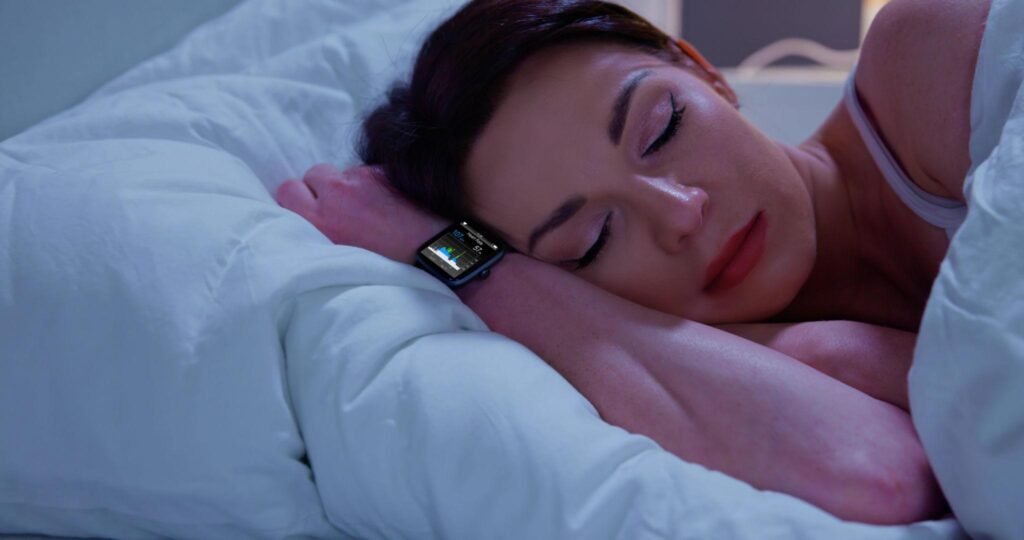
Many people measure their sleep by counting the number of hours they spend in bed. However, staying in bed for eight hours does not always mean you received eight hours of restorative sleep. This is why calculating sleep efficiency is a valuable way to understand your true sleep quality.
Sleep efficiency calculation compares your actual sleep time with the total amount of time spent in bed. A high percentage usually indicates uninterrupted and effective sleep, while a low percentage may suggest frequent awakenings, trouble falling asleep, or other sleep concerns.
This guide explains the sleep efficiency formula, step-by-step calculations, score ranges, and ways to improve your sleep efficiency.
What Is Sleep Efficiency?
Quick Answer
Sleep efficiency is the percentage of time you spend asleep while you are in bed.
It shows how effectively your body converts your time in bed into actual sleep.
For example, someone who spends 8 hours in bed but sleeps only 6 hours has lower sleep efficiency than someone who sleeps 7.5 hours during the same period.
Sleep specialists often use sleep efficiency to evaluate sleep patterns, especially in people with insomnia or frequent nighttime awakenings.
Why Is Calculating Sleep Efficiency Important?
Calculating your sleep efficiency gives a more detailed picture of your sleep than simply measuring total sleep hours.
Benefits of tracking sleep efficiency include:
- Identifying poor sleep patterns
- Recognizing frequent nighttime awakenings
- Monitoring improvements in sleep habits
- Understanding why you feel tired despite spending enough time in bed
- Supporting discussions with healthcare professionals about sleep concerns
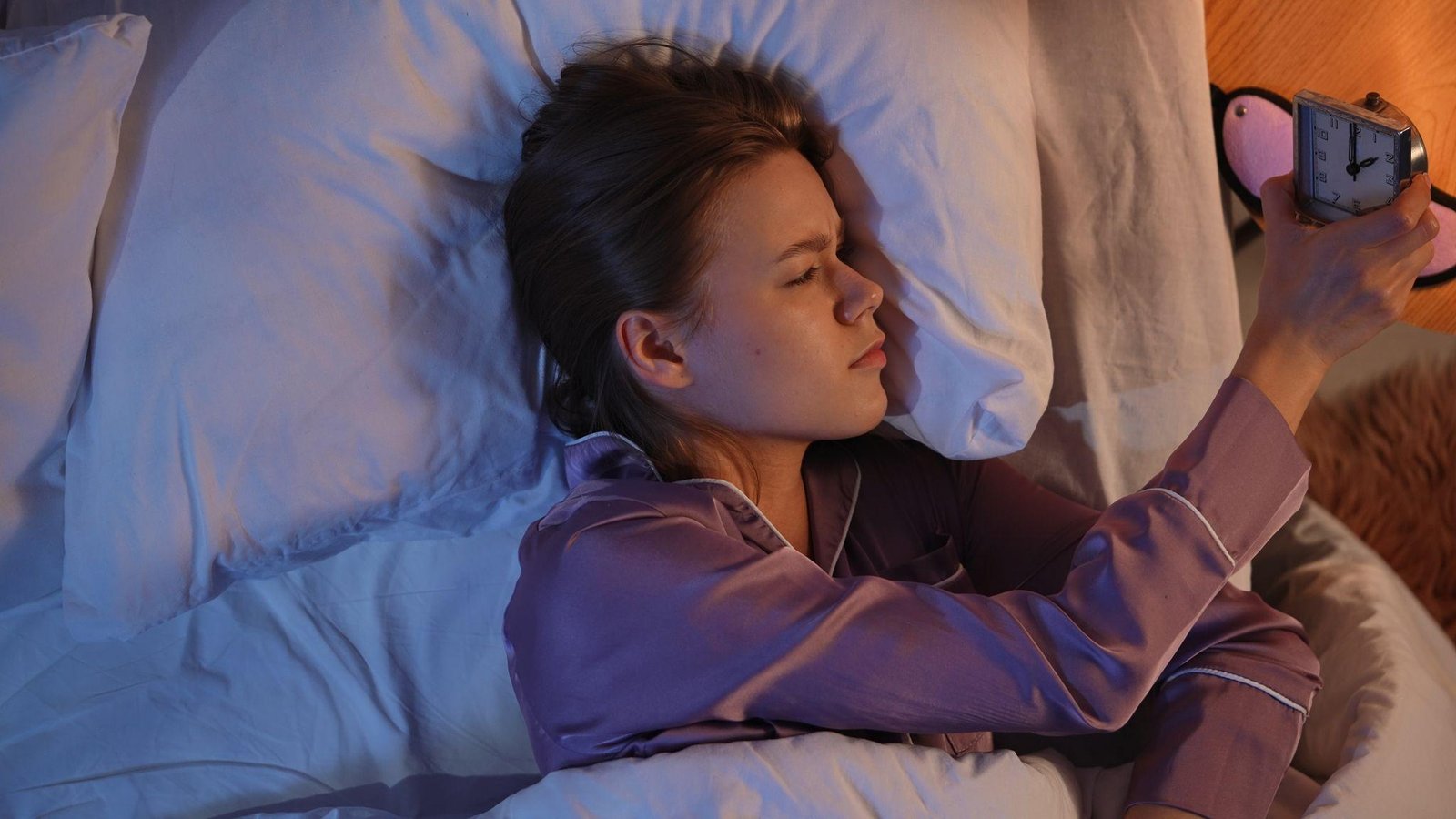
Sleep Efficiency Formula
Quick Answer
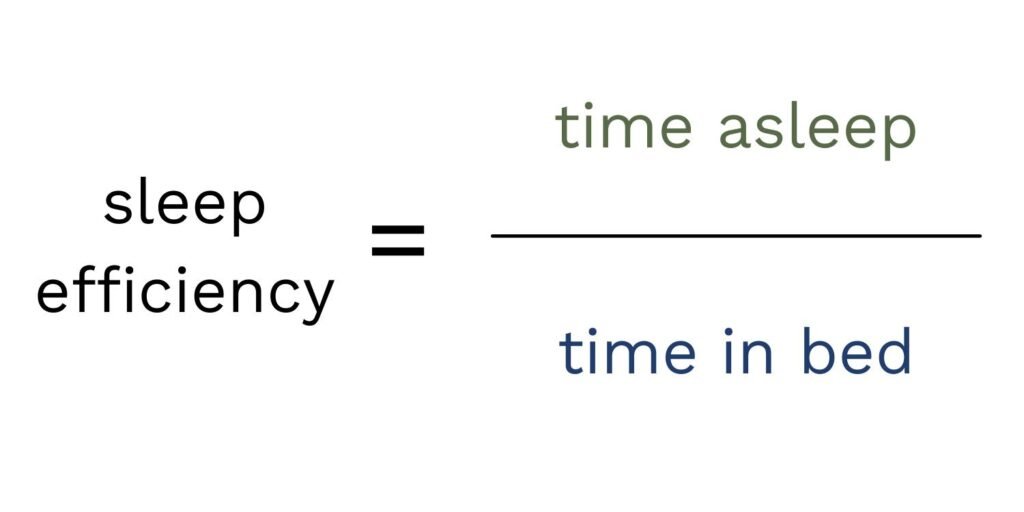
Sleep efficiency is calculated by dividing total sleep time by total time spent in bed and multiplying the result by 100.
Formula
\text{Sleep Efficiency (%)}=\frac{\text{Total Sleep Time}}{\text{Total Time in Bed}}\times100
This percentage tells you how much of your time in bed was spent sleeping.
How to Calculate Sleep Efficiency Step by Step
Step 1: Calculate Total Time in Bed
Determine the total time between going to bed and getting out of bed.
Example:
- Bedtime: 10:00 PM
- Wake-up time: 6:00 AM
- Total time in bed: 8 hours
Step 2: Calculate Your Actual Sleep Time
Subtract periods when you were awake, including:
- Time needed to fall asleep (sleep latency)
- Time awake during the night
- Early morning wakefulness before getting out of bed
Example:
- Time in bed: 8 hours
- Awake during the night: 1 hour
- Total sleep time: 7 hours
Step 3: Apply the Formula
Sleep Efficiency:
7 ÷ 8 × 100 = 87.5%
This means you spent 87.5% of your time in bed sleeping.
Sleep Efficiency Calculation Examples
| Scenario | Time in Bed | Actual Sleep | Sleep Efficiency |
|---|---|---|---|
| Excellent sleeper | 8 hours | 7.8 hours | 97.5% |
| Healthy sleeper | 8 hours | 7 hours | 87.5% |
| Frequent awakenings | 8 hours | 6 hours | 75% |
| Poor sleep | 8 hours | 5 hours | 62.5% |
Sleep Efficiency Score Chart
Understanding your score can help determine whether your sleep is effective.
| Sleep Efficiency Percentage | Interpretation |
|---|---|
| 95% or higher | Excellent sleep efficiency |
| 85%–94% | Good and healthy sleep efficiency |
| 75%–84% | Fair sleep efficiency; improvements may help |
| Below 75% | Poor sleep efficiency that may require attention |
A single low score is not always a problem. Monitoring your average score over several weeks provides a better understanding of your sleep patterns.
What Affects Sleep Efficiency?
Several factors can lower your sleep efficiency.
Lifestyle Factors
- Irregular bedtimes
- Caffeine late in the day
- Alcohol consumption before sleep
- Excessive screen use at night
- High stress levels
Environmental Factors
Your sleeping environment also matters.
Common problems include:
- Too much light
- Loud noise
- Uncomfortable bedding
- Incorrect room temperature
Medical and Sleep Conditions
Low sleep efficiency may be associated with:
- Insomnia
- Sleep apnea
- Chronic pain
- Anxiety or depression
- Certain medications
Persistent sleep problems should be discussed with a qualified healthcare professional.
How to Improve Your Sleep Efficiency
1. Maintain a Consistent Sleep Schedule
Sleeping and waking at the same time every day helps support your circadian rhythm.
2. Create a Better Sleep Environment
Improve your bedroom by:
- Keeping it dark and quiet
- Maintaining a cool temperature
- Using comfortable pillows and mattresses
3. Reduce Evening Stimulants
Avoid:
- Caffeine late in the day
- Nicotine before bedtime
- Heavy meals close to sleep
4. Manage Stress Before Bed
Helpful relaxation methods include:
- Deep breathing exercises
- Reading a book
- Meditation
- Gentle stretching
5. Monitor Other Sleep Measurements
Sleep efficiency is only one part of overall sleep health. You should also monitor:
- Total sleep duration
- Sleep debt
- Sleep cycles
- Sleep consistency
Use a Sleep Efficiency Calculator to automatically calculate your percentage, a Sleep Debt Calculator to monitor accumulated sleep loss, and a Sleep Calculator to plan your ideal bedtime.
Sleep Efficiency vs Sleep Quality
Many people confuse sleep efficiency with sleep quality.
| Sleep Efficiency | Sleep Quality |
|---|---|
| Measures how much time in bed is spent asleep | Measures how refreshing and restorative sleep feels |
| Expressed as a percentage | Includes deep sleep, REM sleep, comfort, and recovery |
| Based on a mathematical formula | Influenced by physical and emotional factors |
A person can have a high sleep efficiency score but still experience poor sleep quality due to other underlying factors.
Expert Tip: Keep a Sleep Diary
Tracking your bedtime, wake time, and nighttime awakenings for two to four weeks can reveal patterns affecting your sleep efficiency.
A sleep diary combined with wearable sleep trackers can provide helpful information for improving your sleep habits.
Frequently Asked Questions
How do you calculate sleep efficiency?
Sleep efficiency is calculated by dividing your total sleep time by your total time in bed and multiplying by 100.
What is a good sleep efficiency percentage?
For most adults, a sleep efficiency score of 85% or higher is generally considered healthy.
How can I calculate sleep efficiency at home?
Record your bedtime, wake-up time, and periods of wakefulness, then apply the sleep efficiency formula or use a Sleep Efficiency Calculator.
Does spending more time in bed improve sleep efficiency?
Not necessarily. Spending excessive time in bed while awake can actually lower your sleep efficiency score.
Are smartwatch sleep efficiency calculations accurate?
Smartwatches can provide useful estimates and help identify trends, but they are less accurate than clinical sleep studies.
Conclusion
Calculating sleep efficiency helps you understand how effectively you are sleeping rather than simply how long you stay in bed. A healthy sleep efficiency percentage is generally 85% or higher, indicating that most of your time in bed is spent asleep.
By tracking your sleep habits, improving your environment, and using tools such as a Sleep Efficiency Calculator, Sleep Debt Calculator, and Sleep Calculator, you can develop healthier sleep patterns and improve your overall well-being.

Pingback: Sleep Efficiency Percentage: What Is a Normal and Healthy Score? -