🌙 Smart Sleep Tips Generator
Get personalized, science-based advice to optimize your sleep quality.
✨ Your Personalized Strategy:
The Science of Rest: How Better Sleep Can Actually Change Your Life
In our modern world, we seem to be busy every second of every day and sleep is commonly the first thing we cut out of our daily routines. Most of us feel tired and don’t even realize the toll it can take on our moods, and the energy we have to get through the day.

Most people don’t realize how much sleep can affect your emotional, mental, and physical health. It’s a common misconception that getting more sleep improves your overall health. The quality of sleep you are getting can either help or hinder your health. It’s time to start thinking of sleep as an important factor in your overall health.
It’s time to start focusing on and improving the quality of the sleep you are getting. In this article we will be looking at some of the more practical, science based ways you can improve your sleep.
1. Your Body’s Internal Biological Clock: How Circadian Rhythms Work
At night, your body does not merely shut down. Your body has a natural system, or cycle, called the circadian rhythm, a system that operates on a 24 hour basis. It is a biological cycle of which your body uses to track the night and day and helps the body and mind operate accordingly.
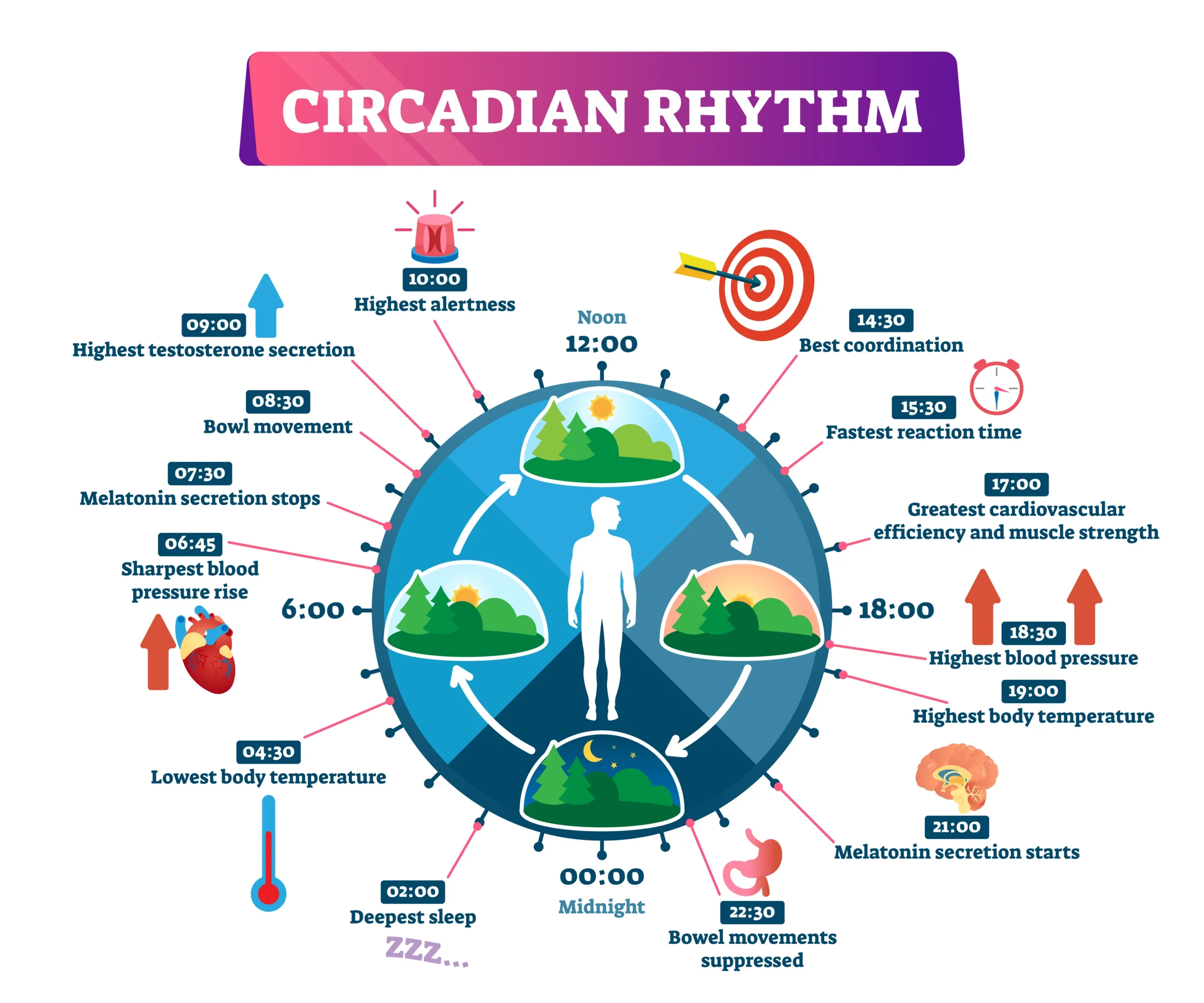
When the sun sets, the body releases a chemical that causes the body and brain to slow down and prepare to sleep. This process is referred to as the release of Melatonin and it signals the body to start the sleep cycle. Unfortunately, modern habits make it very difficult for this process to occur and take a toll on your sleep cycle and mental health.
Looking at your phone or at screens at night expose your eyes to blue light. This light can confuse your brain and delay the feeling of sleepiness, even when your body is tired. When you stay in line with your daily routine and your natural clock, it makes falling asleep easier.
2. The Hidden Math of Sleep: Dealing with Sleep Debt
Many people think they can catch up on sleep on the weekends but this isn’t the case. When you have less than 7 to 9 hours of sleep on the regular, your body builds sleep debt.
When this happens, you can have poor concentration, weakened immunity, and even long-term health problems. Sleep debt can’t just disappear. You have to get consistent, high-quality rest to recover it. Keeping track of your sleep can make it easier to see what how much rest you actually need and see what improvements are needed. Using tools like a Sleep Debt Calculator can help you visualize your progress. One of the most important steps to feeling energized and focused again is reducing sleep debt.
3. The Architecture of a Great Night: Sleep Stages
Your brain goes through multiple cycles every night. Every cycle contains four vital stages that contribute to how refreshed you feel in the morning.
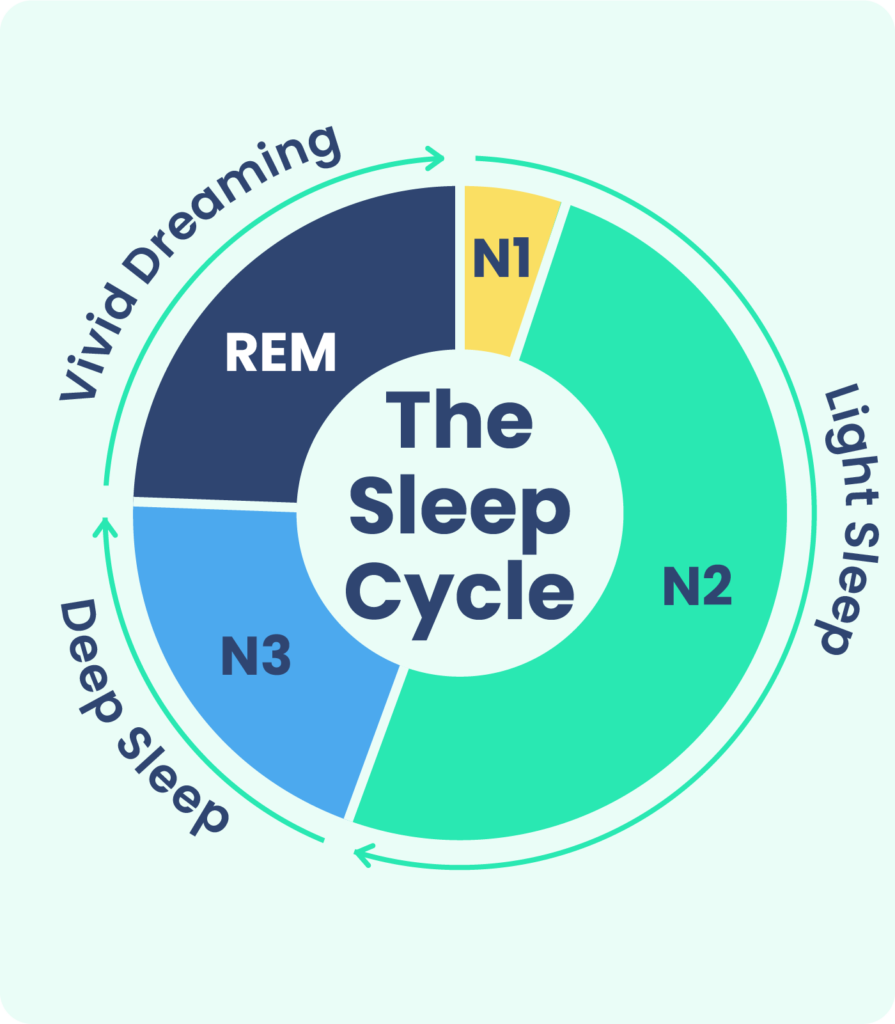
N1 & N2 (Light Sleep): Your body starts to chill out, heart rate slows, and temperature drops.
N3 (Deep Sleep): Your body performs its most restorative functions, the immune system strengthens, and brain waste is cleared.
REM (Rapid Eye Movement): Emotion processing, memory, and learning are all supported. It’s also the stage where most of the dreaming takes place.
Constant interruptions in sleep by stress, caffeine, light, and noise, can keep you trapped in light sleep. When you don’t get deep/restorative sleep, your body doesn’t get the recovery it deserves.
4. The Perfect Sleep Sanctuary
With sleep, the little details in your environment have the biggest impact.

The 18°C Rule: A bedroom temperature of 18°C ( 65°F) is perfect. Slightly cool rooms drops core body temperature, making it easier to enter deep sleep.
Complete Darkness: Melatonin is produced less in the presence of light. Eye masks and blackout curtains can help.
Digital Detox Zone: Stress and work are associated with screens. Leaving laptops and phones out of the bedroom is an easy way to help your brain associate the bed with rest. Your bedroom should be all about calmness, quietness, and distraction-free.
5. Nutrition and Sunlight: The Daytime Connection
Good sleep starts the moment you wake up. Getting sunlight shortly after waking helps set your circadian rhythm. This helps your brain know when to be alert and when to feel sleepy later in the evening.
Many people don’t realize how important the timing of caffeine consumption is. Caffeine is in your system for about 5–6 hours, which means coffee in the afternoon, increases the chances your sleep will be disrupted. Drinking caffeine too late can prevent you from getting to the deeper stages of sleep.
6. Managing Stress for a Quiet Mind
One of the biggest obstacles to falling asleep is a racing mind. Stressed people have more cortisol, which keeps you alert. Journaling is an excellent option to combat this. When you write tomorrow’s tasks before going to bed, you give your brain a chance to relax and know those thoughts aren’t going to be forgotten. Breathing exercises and focused distraction can calm and quiet the mind, making sleep come easier.
Smart Sleep Tips Generator
Every lifestyle is different, so general sleep advice only goes so far. Our tool analyzes your particular difficulties — be it stress, screen time, or irregular routines — and uses sleep science to create a custom action plan.
Pro Tip: Avoid changing everything at once. Select one or two minor habits and maintain them for a few weeks. The secret to long-term sleep improvement is consistent gradual changes.
For a deeper breakdown of your sleep habits and performance, explore our Sleep Lab.