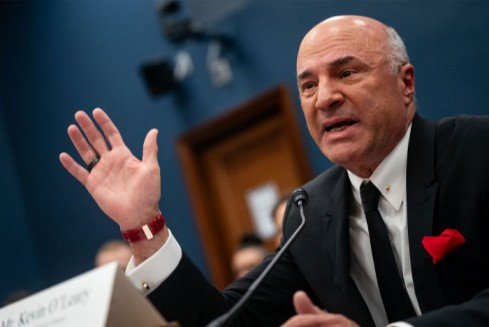
Kevin O’Leary is one of the most recognizable names in business television and entrepreneurial circles. Known for his sharp analytical skills, candid personality, and success across multiple ventures, O’Leary has built a substantial financial legacy over several decades. As of 2025, his net worth is widely estimated at approximately $400 million. This article explores how Kevin O’Leary accumulated this wealth, breaking down his major income sources, business ventures, and the elements that continue to fuel his financial success. We will also examine his career evolution, financial philosophy, and his position relative to other public business figures.
Table of Contents
-
Introduction
-
Who Is Kevin O’Leary?
-
Early Career and the Road to SoftKey
-
The SoftKey Sale and Its Impact on Net Worth
-
Shark Tank: Television Success and Earnings
-
Business Ventures Beyond Shark Tank
-
Investments, Funds, and Passive Income
-
Media, Books, and Speaking Engagements
-
Real Estate and Other Assets
-
Annual Net Worth Growth and Financial Trends
-
Kevin O’Leary Compared to Other Business Figures
-
Kevin O’Leary’s Financial Philosophy
-
Frequently Asked Questions
-
Conclusion
Introduction
Kevin O’Leary’s journey from a young entrepreneur to one of the most prominent business personalities in the world is an instructive case study in diversified wealth creation. Best known for his role on the television series Shark Tank, O’Leary has accumulated significant wealth through entrepreneurial ventures, strategic investments, and media exposure. As of 2025, his estimated net worth stands at around $400 million, a testament to his multifaceted approach to business and finance.
In this article, we provide a detailed, engaging, and SEO-optimized exploration of Kevin O’Leary’s net worth for 2025. We break down the main components of his wealth, including the sale of SoftKey, earnings from Shark Tank, business ventures, investments, and other revenue sources. Our goal is to give readers a comprehensive understanding of how O’Leary built and continues to grow his financial portfolio.
Who Is Kevin O’Leary?
Kevin O’Leary, born in Montreal, Canada, in 1954, is an entrepreneur, investor, author, and television personality. He earned a bachelor’s degree in environmental studies and psychology from the University of Waterloo before pursuing an MBA at the Ivey Business School at the University of Western Ontario.
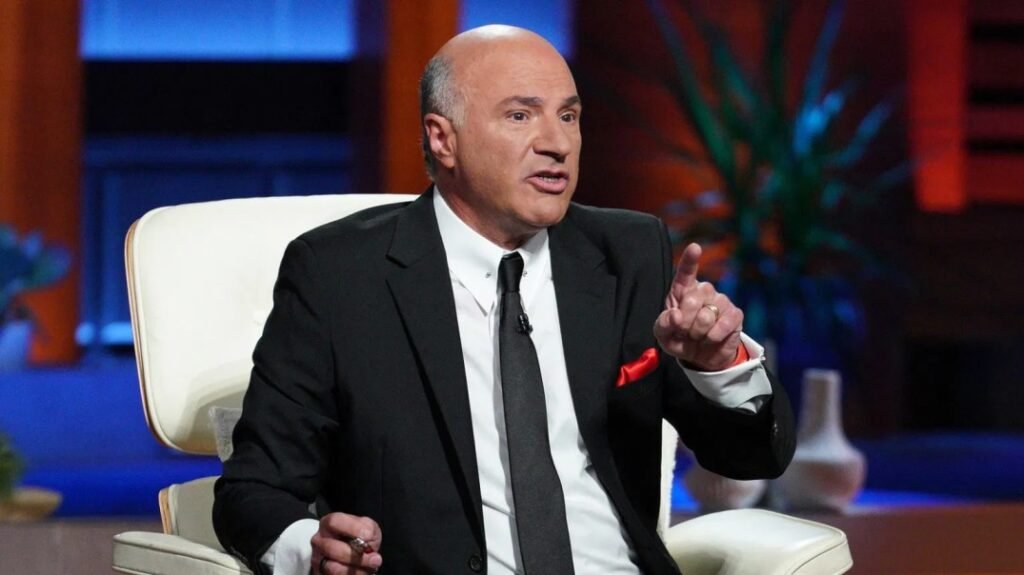
O’Leary’s career spans various industries, including software, finance, and consumer products. However, he gained widespread public recognition through his role on the ABC television series Shark Tank, where he invests in startups pitched by aspiring entrepreneurs. His no-nonsense style and willingness to negotiate tough deals have made him one of the most memorable investors on the show.
Early Career and the Road to SoftKey
In the early stages of his business career, Kevin O’Leary co-founded a company that sold water purification systems. While this venture did not yield lasting success, it provided valuable lessons in entrepreneurship and business management. He later entered the tech industry, where he found greater success.
In the late 1980s and early 1990s, O’Leary co-founded SoftKey Software Products, a company that distributed educational software and entertainment titles. SoftKey specialized in acquiring small software companies and bundling their products at aggressive price points. This strategy, combined with effective distribution, allowed SoftKey to grow rapidly.
The SoftKey Sale and Its Impact on Net Worth
The most pivotal moment in Kevin O’Leary’s early financial success came with the sale of SoftKey. In 1999, SoftKey acquired The Learning Company, broadening its reach in the educational software market. The combined entity eventually caught the attention of larger firms seeking entry into this space.
In 2001, SoftKey was sold to Mattel for a reported $3.6 billion. Although the merged business faced challenges after the acquisition, the sale itself yielded significant financial returns for O’Leary and other stakeholders. This sale constituted the bulk of O’Leary’s early wealth and provided the capital that would fuel his later investments and media ventures.
The SoftKey sale is often highlighted as a defining event in O’Leary’s career, marking his transition from a software entrepreneur to a recognized figure in the broader business world.
Shark Tank: Television Success and Earnings
Kevin O’Leary’s role on Shark Tank has been a major contributor to his public image and financial success. The show, which premiered in 2009, features entrepreneurs pitching business ideas to a panel of investors (“sharks”) in hopes of securing funding. O’Leary quickly became known for his direct approach, often negotiating for ownership stakes, royalties, or other favorable terms rather than straightforward equity.
Salary and Earnings from the Show
While specific figures for O’Leary’s salary on Shark Tank are not publicly disclosed, it is widely understood that the show pays its panelists competitive compensation. Salaries for celebrity investors on network television can run into the millions per season, particularly for personalities as high-profile as O’Leary.
Equity Stakes and Investment Returns
A significant portion of O’Leary’s earnings from Shark Tank comes not from his TV salary but from the equity stakes and deal structures he negotiates with entrepreneurs. Over multiple seasons, O’Leary has invested in dozens of businesses, some of which have grown substantially after appearing on the show. These returns compound over time as businesses scale and, in some cases, exit through acquisition or go public.
His willingness to structure deals creatively, such as requesting royalties or convertible debt, often provides diversified pathways for financial return, which is a key factor in his ongoing wealth accumulation.
Business Ventures Beyond Shark Tank
While Shark Tank remains O’Leary’s most visible platform, his business interests extend far beyond television.
O’Shares ETFs
One of O’Leary’s significant financial ventures in recent years is the development and promotion of exchange-traded funds (ETFs) under the brand O’Shares. These ETFs focus on dividend-producing stocks and aim to provide investors with balanced, income-generating portfolios.
Kevin O’Leary is not only a spokesperson for these funds but also serves as a strategic partner, helping to guide their positioning and marketing. Revenues from fund management fees and brand partnerships contribute to his overall net worth, even though a large portion of those revenues flows to the fund managers. O’Leary benefits through sponsorship arrangements and equity stakes in the fund management entities.
Consulting and Strategic Advisory Roles
O’Leary has also worked in various advisory capacities for companies, offering strategic guidance on growth, marketing, and financial planning. These roles often include equity compensation, further diversifying his income streams.
Investments, Funds, and Passive Income
Kevin O’Leary is an active investor beyond Shark Tank. He allocates capital to a mix of early-stage startups, established companies, and index-based instruments. His diversified investment strategy includes technology, consumer products, real estate, and financial instruments.
Venture Capital and Startup Investments
O’Leary’s direct investments in startups are often structured to balance risk and return. He has a reputation for seeking defined paths to profitability and clear business models. Some of his investments have delivered strong returns, while others serve as learning experiences.
Passive Income Strategies
Through dividend-paying stocks, ETFs, and other financial instruments, O’Leary generates passive income. Dividend yields and periodic distributions add a steady revenue stream that contributes to long-term financial stability.
Media, Books, and Speaking Engagements
Kevin O’Leary has authored several books on business, entrepreneurship, and personal finance. These publications serve not only as revenue sources but also as extensions of his brand. His books typically focus on investing principles, business strategy, and wealth building, appealing to entrepreneurs and individual investors alike.
O’Leary is also a frequent speaker at conferences, corporate events, and leadership seminars. Speaking engagements often command significant fees and help reinforce his position as an authority in business and finance.
Real Estate and Other Assets
Like many high-net-worth individuals, Kevin O’Leary invests in real estate. Properties may include primary residences, vacation homes, commercial real estate, and rental properties. Real estate serves multiple purposes in his financial portfolio: wealth preservation, diversification, and potential appreciation.
O’Leary’s real estate holdings often reflect his lifestyle and investment philosophy, combining personal use with sound financial planning. While real estate may not be the main driver of his net worth, it remains a meaningful component of his overall asset base.
Annual Net Worth Growth and Financial Trends
Kevin O’Leary’s net worth has grown steadily over time, reflecting his diversified income streams and strategic financial decisions. While market fluctuations and business cycles can impact valuations momentarily, O’Leary’s approach emphasizes resilience, long-term planning, and adaptability.
A review of his estimated net worth year by year illustrates a progression from early entrepreneurial success with SoftKey to sustained growth through television, investments, and financial products. His net worth has demonstrated resilience through economic downturns, in part due to diversified income and careful risk management.
Kevin O’Leary Compared to Other Business Figures
To contextualize Kevin O’Leary’s net worth, it is useful to compare him with peers and other public business figures. Within the Shark Tank panel, O’Leary’s net worth places him among the more financially successful investors, though he is not the wealthiest. His peers, such as Mark Cuban and Lori Greiner, each have their own unique financial trajectories and net worth estimates.
In the broader landscape of business personalities, O’Leary’s net worth is significant, even compared with CEOs and founders of established corporations. His ability to maintain relevance across media and financial sectors underscores the strength of his personal brand and business acumen.
Kevin O’Leary’s Financial Philosophy
Kevin O’Leary is known for his pragmatic and often direct approach to finance. His philosophy emphasizes:
-
Value investing with defined metrics.
-
Risk management through diversification.
-
Cash flow and profitability over speculative growth.
-
Clear terms in negotiations that protect investor interests.
-
Continuous learning and adaptability in evolving markets.
This philosophy is reflected in his investment decisions, business ventures, and public commentary. O’Leary often speaks about the importance of financial literacy, disciplined investing, and understanding one’s own risk tolerance.
Frequently Asked Questions
What is Kevin O’Leary’s net worth in 2025?
As of 2025, Kevin O’Leary’s estimated net worth is approximately $400 million. This figure reflects the value of his investments, business ventures, earnings from media and television, and other income sources.
How did Kevin O’Leary make his money?
Kevin O’Leary’s primary sources of wealth include the sale of SoftKey, earnings and investments from Shark Tank, diversified investment portfolios, financial products such as ETFs, real estate holdings, book sales, and speaking engagements.
Does Kevin O’Leary still invest in companies outside Shark Tank?
Yes. O’Leary continues to invest in companies outside Shark Tank through direct investments, venture funds, and strategic partnerships.
Is Kevin O’Leary richer than other Shark Tank investors?
While O’Leary is among the wealthier Shark Tank investors, net worth comparisons vary. Investors like Mark Cuban have higher publicly reported net worth figures, while others fall below O’Leary’s estimated $400 million.
What is O’Leary’s approach to investing?
Kevin O’Leary prioritizes investments with clear paths to profitability, risk mitigation, and potential for consistent returns. His approach combines analytical rigor with long-term financial planning.
Conclusion
Kevin O’Leary’s financial journey illustrates the power of diversified income streams, strategic decision-making, and personal branding. From his early success with SoftKey to his role as a prominent television investor and financial commentator, O’Leary has cultivated a net worth of approximately $400 million as of 2025. His approach to wealth creation combines practical investment strategies with disciplined business principles, making him a compelling figure in the world of entrepreneurship and finance.
For readers interested in understanding how prominent business personalities build and maintain wealth, Kevin O’Leary’s story offers valuable insights into diversification, risk management, and the importance of evolving with market opportunities.