
Introduction
The global wellness movement has reached a new chapter. What began years ago as an effort to eat better, exercise more, and avoid toxins has evolved into something deeper, more intentional, and far more personal. In 2026, this shift is widely known as Clean Living 2.0—a movement defined not just by healthy choices, but by home-grown, self-directed wellness. People are no longer outsourcing their health to large brands, clinics, or fad programs. Instead, they are building wellness ecosystems inside their own homes, using technology, sustainability, and personalized data to take control of how they eat, move, rest, and recover.
Clean Living 2.0 is not about perfection or rigid rules. It is about transparency, self-sufficiency, and long-term well-being. Whether it is growing functional foods in small indoor gardens, creating personalized supplement routines, or using at-home health tracking tools, this new wave of wellness reflects a powerful cultural shift: people want to understand what goes into their bodies, where it comes from, and how it affects them.
This article explores what Clean Living 2.0 really means in 2026, why home-grown wellness is becoming dominant, and how individuals can build healthier, more sustainable lifestyles without relying on mass-market solutions.
What Is Clean Living 2.0?
Clean Living 2.0 is the evolution of the original clean living movement. While earlier versions focused mainly on organic food, toxin-free products, and fitness routines, the new version is far more holistic and self-directed. It combines nutrition, mental health, sustainability, and technology into a single, personalized lifestyle.
Instead of following generic wellness advice, people now build routines based on their own data, values, and environment. Clean Living 2.0 emphasizes:
-
Home-grown or self-prepared foods
-
Personalized nutrition and supplements
-
At-home health tracking
-
Sustainable daily habits
-
Mind-body balance
This new model recognizes that wellness is not one-size-fits-all. It is shaped by genetics, stress levels, environment, and daily habits. In 2026, clean living is less about trends and more about intentional living rooted in self-knowledge.
Why Home-Grown Wellness Is Taking Over in 2026
The rise of home-grown wellness did not happen overnight. It is the result of several long-term social, economic, and technological changes that have reshaped how people think about health.
Growing Demand for Transparency
Consumers are more informed than ever. People want to know what is in their food, their supplements, and their skincare products. Ingredient labels are no longer enough. Many individuals now prefer to grow, prepare, or mix their own wellness products because it gives them full control over quality and sourcing.
Distrust in Mass-Market Solutions
Many people have grown skeptical of mass-produced wellness products that promise fast results. The over-commercialization of health has led to a backlash, pushing consumers toward solutions they can verify and customize themselves.
Advances in Home Technology
From indoor hydroponic gardens to wearable health trackers and smart kitchen tools, technology now makes it easier to manage wellness at home. What once required clinics or specialty stores can now be done in a living room or kitchen.
The Sustainability Movement
Environmental awareness has become deeply connected to personal health. Growing food at home, reducing packaging waste, and choosing sustainable materials are now seen as wellness practices, not just eco-friendly habits.
The Core Pillars of Clean Living 2.0
Clean Living 2.0 is built around several key principles that shape how people approach wellness in 2026.
Personalization
Health is no longer treated as universal. People use data from wearables, genetic tests, and health apps to tailor their nutrition, exercise, and recovery plans to their specific needs.
Self-Sufficiency
Growing herbs, vegetables, and functional plants at home reduces reliance on processed foods and supplements. People feel more connected to what they consume when they produce it themselves.
Sustainability
Clean living now includes the planet. Choosing reusable products, minimizing waste, and supporting regenerative practices are part of a healthy lifestyle.
Integration
Physical health, mental well-being, sleep, nutrition, and emotional balance are no longer separate goals. Clean Living 2.0 treats them as interconnected systems.
Home-Grown Nutrition: The Heart of the Movement
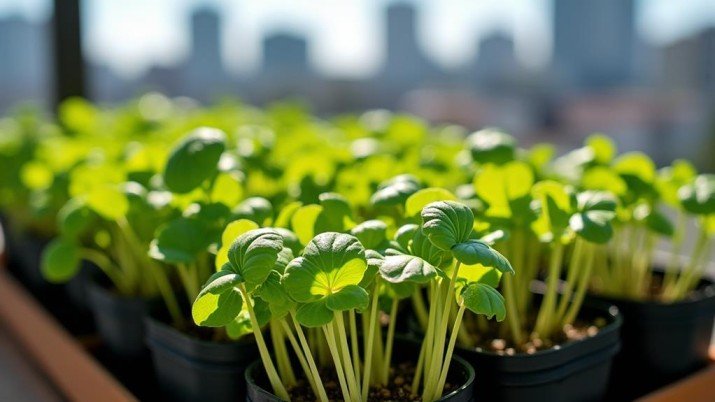
One of the most visible aspects of Clean Living 2.0 is the explosion of home-grown food and functional nutrition.
Indoor Gardens and Smart Growing Systems
In 2026, indoor gardening is common in urban homes. Compact hydroponic systems allow people to grow leafy greens, herbs, mushrooms, and even medicinal plants year-round. These systems use minimal water and no pesticides, providing clean, nutrient-dense food directly from the source.
Functional Foods and Superplants
People are not just growing lettuce and tomatoes. Many are cultivating plants known for their health benefits, such as turmeric, ginger, basil, and adaptogenic herbs. These are used in teas, smoothies, and meals to support immunity, digestion, and stress management.
Homemade Fermented Foods
Fermentation has become a staple of Clean Living 2.0. Foods like kombucha, kefir, kimchi, and sauerkraut are made at home to support gut health. These probiotic-rich foods improve digestion and strengthen the immune system.
DIY Wellness and At-Home Health Practices
Home-grown wellness extends beyond food into daily health routines.
Personalized Supplement Blends
Instead of buying generic multivitamins, people now create customized supplement blends based on their blood tests, dietary habits, and fitness goals. Some use subscription services that deliver tailored nutrients, while others mix their own using verified raw ingredients.
At-Home Health Testing
Affordable home testing kits allow individuals to monitor everything from vitamin levels to hormone balance. This data helps them adjust their diets, exercise routines, and sleep habits with precision.
Home Fitness and Recovery Spaces
Living rooms, spare bedrooms, and even balconies have been transformed into wellness zones. People use compact exercise equipment, yoga mats, and recovery tools like massage guns and infrared saunas to maintain their health without relying on gyms or clinics.
The Role of Technology in Clean Living 2.0
Technology is not replacing natural wellness in 2026. It is enhancing it.
Wearables and Health Apps
Smartwatches and health trackers monitor sleep, heart rate, stress, and physical activity. This data helps users understand how lifestyle choices affect their bodies and make adjustments in real time.
AI-Powered Wellness Platforms
Artificial intelligence analyzes personal health data and suggests changes in diet, exercise, and recovery. These systems act like digital health coaches, guiding users toward better habits.
Smart Kitchens
Connected kitchen devices track ingredient freshness, suggest recipes based on nutritional goals, and even monitor portion sizes. This makes healthy eating easier and more intuitive.
Mental and Emotional Wellness at Home
Clean Living 2.0 recognizes that mental health is just as important as physical health.
Mindfulness and Meditation Spaces
Many homes now include dedicated areas for meditation, breathwork, and relaxation. These spaces are designed to reduce stress and support emotional balance.
Digital Therapy and Coaching
Online therapy platforms and mental wellness apps provide access to professional support from home. This makes mental health care more accessible and less stigmatized.
Community Through Technology
Virtual wellness communities allow people to share tips, recipes, and experiences, creating a sense of connection even when practicing wellness at home.
Sustainability as a Wellness Practice
Environmental responsibility is deeply woven into Clean Living 2.0.
Zero-Waste Living
People are reducing packaging, reusing containers, and composting organic waste. These practices create cleaner homes and healthier ecosystems.
Eco-Friendly Products
From cleaning supplies to personal care items, sustainable products are now part of everyday wellness.
Energy-Efficient Homes
Smart thermostats, solar panels, and efficient appliances reduce environmental impact and create healthier living spaces.
How to Start Practicing Clean Living 2.0
Adopting home-grown wellness does not require a complete lifestyle overhaul. Small, intentional steps can make a significant difference.
Begin With Food
Start growing a few herbs or leafy greens. Replace processed snacks with homemade alternatives.
Track Your Health
Use a wearable device or app to understand your sleep, activity, and stress patterns.
Simplify Your Products
Choose fewer, higher-quality items for skincare, cleaning, and personal care.
Create a Wellness Routine
Build daily habits that include movement, rest, and mindfulness.
Common Mistakes to Avoid
While Clean Living 2.0 is empowering, it is important to avoid extremes.
-
Do not chase perfection. Wellness is about consistency, not rigid rules.
-
Avoid misinformation. Use reliable sources for health advice.
-
Do not ignore professional medical care when needed. Home-grown wellness complements, but does not replace, healthcare.
Frequently Asked Questions
What does Clean Living 2.0 mean?
Clean Living 2.0 is a modern wellness approach focused on personalized, home-grown health practices that integrate nutrition, technology, sustainability, and mental well-being.
Why is home-grown wellness popular in 2026?
People want more control, transparency, and sustainability in their health choices. Technology now makes it easier to manage wellness at home.
Is Clean Living 2.0 expensive?
It can be affordable. Many practices, such as growing herbs, cooking at home, and using free health apps, reduce long-term costs.
Do I need special equipment to start?
No. Simple tools like a few plant pots, a yoga mat, or a basic fitness tracker are enough to begin.
Is Clean Living 2.0 scientifically supported?
Many aspects, such as personalized nutrition, physical activity, and mindfulness, are supported by scientific research.
Conclusion
Clean Living 2.0 represents a powerful shift in how people approach health in 2026. It moves wellness out of clinics, gyms, and corporate brands and brings it into the home, where individuals can shape it according to their own needs and values. By combining home-grown nutrition, personalized technology, sustainable habits, and mental well-being, this movement offers a more balanced, transparent, and empowering way to live.
As more people seek control over their health and the world around them, home-grown wellness is not just a trend. It is becoming the foundation of a healthier, more intentional future.