
If you work in a hospital, beds are part of your daily work.
But when someone asks you to calculate bed usage, things can feel confusing.
You may wonder:
- What should I calculate?
- Which number is correct?
- Why do reports show different results?
You are not alone.
Many hospital staff feel the same way.
This guide is written only for you.
No hard words.
No long math talk.
Just clear steps, real examples, and easy understanding.
By the end, you will feel calm and confident.

What Does “Calculate Bed” Mean in a Hospital?
In hospital work, “calculate bed” does not mean bed size or furniture.
It usually means one of these three things:
- How many beds are being used
- How many beds are free
- How many bed days were used in a time period
Most reports and meetings talk about bed usage, so we focus on that here.
Why Bed Calculation Matters to You
You may think this is just numbers.
But bed calculation affects real work.
When bed numbers are wrong:
- Patients may wait
- Staff may feel pressure
- Management may make wrong plans
When bed numbers are right:
- Work feels smoother
- Planning is easier
- You feel confident answering questions
This is why learning it the right way matters.
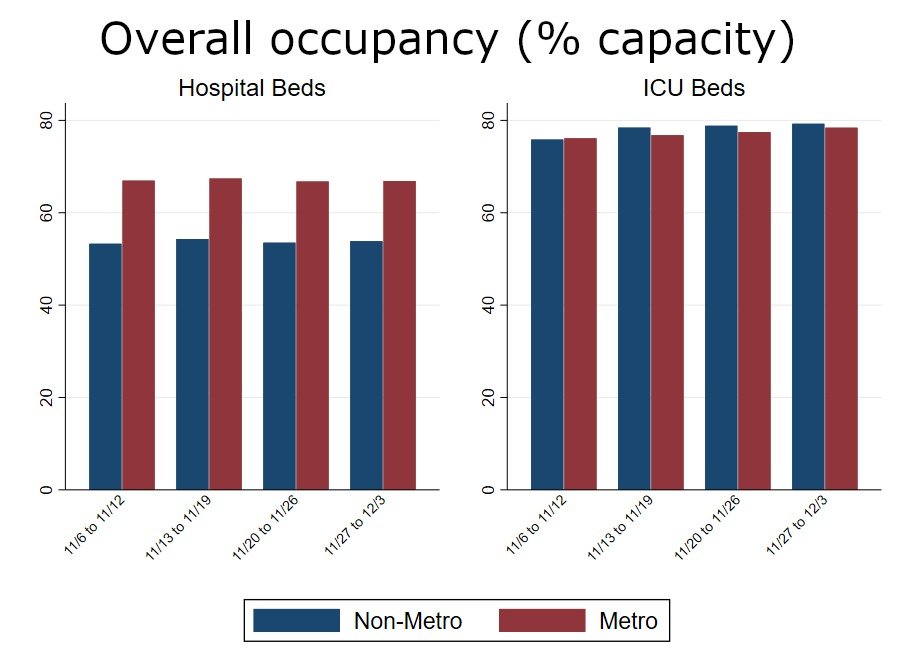
What Is Bed Occupancy in Simple Words?
Bed occupancy means:
How many beds are being used compared to total beds.
If your ward has 50 beds and 40 are filled, that matters.
You are simply checking:
- Used beds
- Total beds
That’s it.
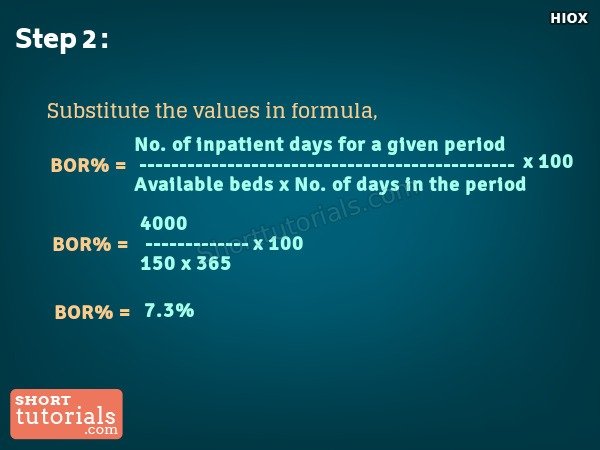
How to Calculate Bed Occupancy (Step by Step)
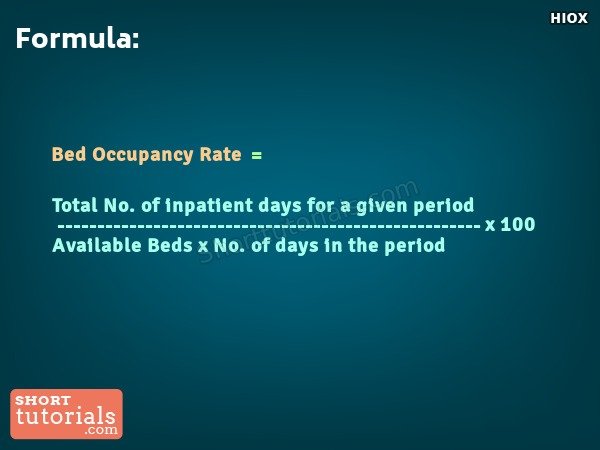
The Simple Formula
Bed Occupancy =
(Number of used beds ÷ Total beds) × 100
Do not worry. Let’s break it down.
Real-Life Example
You work in a ward with:
- Total beds: 100
- Beds in use today: 75
Step 1:
75 ÷ 100 = 0.75
Step 2:
0.75 × 100 = 75
So, bed occupancy is 75%
That means:
- Most beds are being used
- Some beds are still free
What Is a Bed Day?
A bed day means:
One bed used by one patient for one day
If one patient stays for 3 days, that is 3 bed days.
This helps hospitals understand usage over time.

How to Calculate Bed Days (Very Easy)
Simple Method
Just count:
- How many patients stayed
- How many days they stayed
Example You Can Relate To
Three patients stayed:
- Patient A: 2 days
- Patient B: 4 days
- Patient C: 1 day
Add them:
2 + 4 + 1 = 7 bed days
That’s all.
No complex thinking needed.
Why Bed Days Are Important
Bed days help you:
- Prepare monthly reports
- Plan staff duty
- Understand workload
If bed days are high:
- Staff may feel tired
- Beds may fill fast
If bed days are low:
- Space is available
- Planning becomes easier
Common Mistakes People Make (And How to Avoid Them)
Mistake 1: Mixing Beds and Bed Days
Beds are physical spaces.
Bed days are time used.
Keep them separate.
Mistake 2: Guessing Numbers
Never guess.
Always count or check records.
Mistake 3: Using Wrong Time Period
Daily numbers and monthly numbers are different.
Always confirm the date range.
A Simple Way to Stay Confident
Here is a calm process you can follow:
- Check total beds
- Count beds in use
- Use the simple formula
- Double-check your numbers
That’s it.
You don’t need special skills.
If you also want to understand how rest and recovery time are calculated in daily life, you can explore this helpful tool on our site:
👉 https://sleepdebtcalculator.net/
When Someone Questions Your Numbers
This can feel stressful.
But now you can calmly say:
- “This is how I counted”
- “This is the formula I used”
- “Here is the result”
Confidence comes from clarity.
Frequently Asked Questions (FAQs)
What does calculate bed mean in hospital work?
It means checking how many beds are used, free, or used over time.
Is bed occupancy hard to calculate?
No. It only needs total beds and used beds.
What is a bed day?
One bed used by one patient for one day.
Do I need software to calculate beds?
No.
A simple calculator or record sheet is enough.
Can I calculate bed days daily?
Yes.
Daily tracking helps monthly planning.
For people who track rest, sleep, or recovery outside hospital work, tools like a sleep calculator can also help understand time-based usage clearly:
👉 https://sleepdebtcalculator.net/sleep-calculator/
Final Thoughts
You don’t need to fear bed calculations anymore.
You now know:
- What “calculate bed” really means
- How to calculate bed occupancy
- How to calculate bed days
- How to avoid mistakes
This knowledge fits your daily work.
You can trust your numbers now.
Take a breath.
You’ve got this.