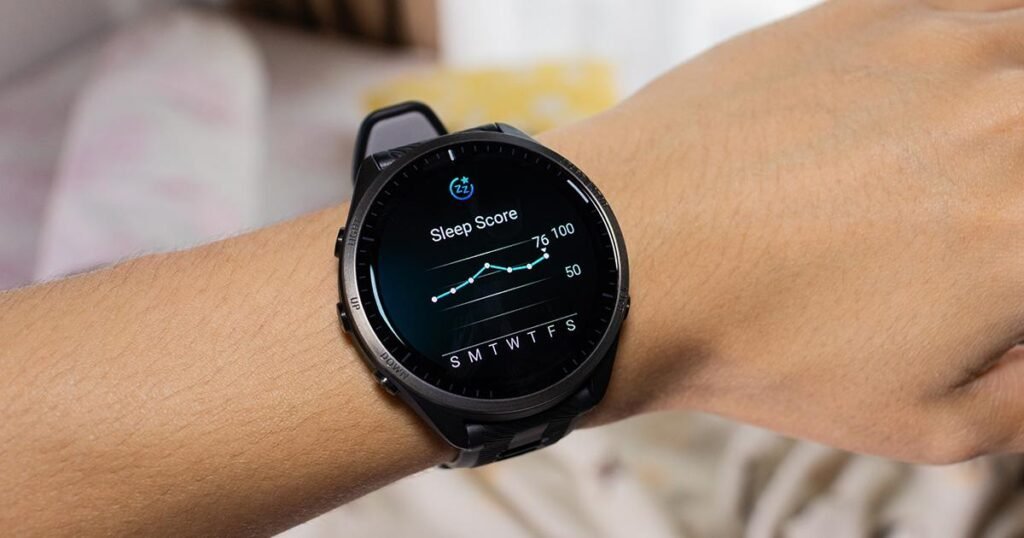
It’s easy to remember one bad night’s sleep.
It’s much harder to remember how much sleep you’ve lost over the past two or three weeks.
That’s where a Sleep Debt Tracker becomes useful.
Instead of guessing why you’re tired, a sleep debt tracker records your nightly sleep, calculates your accumulated sleep deficit, and helps you monitor your recovery over time. Whether you’re dealing with busy workdays, parenting, travel, or rotating shifts, tracking your sleep can reveal patterns that are difficult to notice otherwise.
What Is a Sleep Debt Tracker?
Quick Answer
A Sleep Debt Tracker is a tool that records how much you sleep each night and compares it with the amount of sleep your body needs.
It helps you monitor:
- Daily sleep
- Weekly sleep debt
- Monthly sleep trends
- Recovery progress
- Sleep consistency
Rather than focusing on one night’s sleep, it looks at long-term sleep patterns.
How Does a Sleep Debt Tracker Work?
A sleep debt tracker follows a simple process.
Step 1: Record Your Sleep Goal
For many healthy adults, this is typically 7–9 hours per night.
Step 2: Log Your Actual Sleep
Record how many hours you slept each night.
Step 3: Calculate the Difference
The tracker compares your sleep goal with your actual sleep duration.
Step 4: Monitor Your Progress
Over several days or weeks, you can see whether your sleep debt is increasing or decreasing.
Example Sleep Debt Tracking
| Day | Sleep Goal | Hours Slept | Sleep Debt |
| Monday | 8 hrs | 6 hrs | 2 hrs |
| Tuesday | 8 hrs | 7 hrs | 1 hr |
| Wednesday | 8 hrs | 6.5 hrs | 1.5 hrs |
| Thursday | 8 hrs | 8 hrs | 0 hrs |
| Friday | 8 hrs | 7 hrs | 1 hr |
Weekly Sleep Debt: 5.5 Hours
Small nightly deficits quickly become noticeable over time.
Why Should You Track Sleep Debt?
Quick Answer
Tracking sleep debt helps you understand your sleep habits instead of relying only on how you feel.
A sleep tracker may help you:
- Identify unhealthy sleep patterns
- Build a consistent bedtime routine
- Reduce accumulated sleep debt
- Improve long-term sleep habits
Many people are surprised by how quickly sleep debt builds after only a few nights of short sleep.

Helpful Sleep Tools
If you’re trying to improve your sleep routine, these tools work well together:
A Sleep Calculator helps estimate your ideal bedtime based on sleep cycles, while a Sleep Efficiency Calculator measures how efficiently you’re sleeping after going to bed.
Can a Sleep Debt Tracker Improve Sleep?
Quick Answer
A tracker doesn’t improve sleep by itself, but it helps you make better decisions.
When you can clearly see your sleep patterns, it’s easier to:
- Go to bed earlier
- Maintain a regular schedule
- Avoid building additional sleep debt
- Monitor recovery after poor sleep
Tracking creates awareness, and awareness often leads to better habits.
What Should You Track?
A good sleep debt tracker usually records:
- Bedtime
- Wake-up time
- Total sleep duration
- Sleep goal
- Daily sleep debt
- Weekly totals
- Monthly averages
The more consistently you track, the more useful the results become.
How Often Should You Update It?
Ideally, every morning.
Recording your sleep shortly after waking helps keep your data accurate and complete.
Even spending one minute each day can provide valuable insights over time.

Can Naps Be Included?
Yes.
Many people choose to include planned naps in their overall sleep tracking.
A Nap Calculator can help estimate the best nap duration based on your available time and reduce the likelihood of waking up during deep sleep.
What About Travel and Jet Lag?
Travel often disrupts normal sleep patterns.
If you’ve crossed multiple time zones, a Jet Lag Calculator can help estimate recovery time while your Sleep Debt Tracker monitors how your sleep gradually returns to normal.
Tips for Tracking Sleep More Effectively
Record Sleep Every Day
Consistency gives you more reliable trends.
Keep a Realistic Sleep Goal
Choose a nightly sleep target that matches your personal needs.
Focus on Long-Term Patterns
One poor night usually isn’t a problem.
Several weeks of short sleep deserve attention.
Improve Sleep Quality
Tracking sleep hours is useful, but quality matters too.
Aim for:
- A quiet bedroom
- Comfortable temperature
- Limited evening screen time
- A regular bedtime
Frequently Asked Questions
What is a Sleep Debt Tracker?
A Sleep Debt Tracker records your nightly sleep and estimates how much sleep you’ve accumulated or recovered over time.
Is a sleep debt tracker accurate?
It provides a useful estimate based on the information you enter, although individual sleep needs vary.
Can sleep trackers calculate sleep debt automatically?
Many smartwatches and sleep apps estimate sleep debt using your recent sleep history and sleep goals.
How often should I track my sleep?
Daily tracking provides the most accurate picture of your sleep habits.
Can I recover sleep debt by tracking it?
Tracking alone doesn’t eliminate sleep debt, but it helps you monitor progress while improving your sleep habits.
Conclusion
A Sleep Debt Tracker is one of the simplest tools for understanding your sleep habits. By recording your nightly sleep and monitoring accumulated sleep debt, you can identify patterns, measure recovery, and make informed decisions about your bedtime routine.
When combined with consistent sleep schedules, healthy sleep habits, and practical planning tools, tracking your sleep can become an important part of improving your overall well-being.