Getting eight hours of sleep doesn’t always mean you’re getting good sleep.
Many people spend enough time in bed but still wake up feeling tired, unfocused, or unrefreshed. That’s because sleep duration is only one part of the equation. Sleep quality matters just as much.
A Sleep Quality Index helps measure how well you sleep by evaluating factors such as sleep duration, sleep efficiency, sleep disturbances, and overall restfulness.
Understanding your sleep quality index can help you identify sleep problems, improve sleep habits, and make more informed decisions about your health.

What Is a Sleep Quality Index?
Quick Answer
A Sleep Quality Index is a scoring system used to evaluate overall sleep quality rather than simply measuring how many hours you sleep.
A sleep quality index often considers:
- Sleep duration
- Sleep efficiency
- Sleep latency
- Nighttime awakenings
- Sleep disturbances
- Daytime fatigue
The goal is to provide a broader picture of sleep health.
Why Sleep Quality Matters
Many people focus only on sleep quantity.
However, someone who sleeps:
- 8 hours with frequent interruptions
may feel worse than someone who sleeps:
- 7 hours of uninterrupted, high-quality sleep
Good sleep quality supports:
- Physical recovery
- Mental performance
- Memory
- Mood regulation
- Immune function
How Is a Sleep Quality Index Calculated?
Different systems use different methods, but most evaluate similar sleep metrics.
Sleep Duration
The total amount of time spent sleeping.
Sleep Efficiency
The percentage of time spent asleep while in bed.
Sleep Latency
How long it takes to fall asleep.
Sleep Disturbances
How often sleep is interrupted during the night.
Daytime Functioning
How alert and energetic you feel during the day.
These factors are combined to generate a sleep quality score or index.
Common Components of a Sleep Quality Index

1. Sleep Duration
Most adults need:
- 7–9 hours of sleep per night
Consistently sleeping less may lower sleep quality scores.
2. Sleep Efficiency
Sleep efficiency measures:
Total Sleep Time ÷ Time in Bed × 100
Generally:
| Sleep Efficiency | Rating |
| 85% or Higher | Good |
| 75–84% | Fair |
| Below 75% | Poor |
3. Sleep Latency
Healthy adults typically fall asleep within:
- 10–20 minutes
Longer sleep latency may indicate stress, poor sleep habits, or sleep disorders.
4. Sleep Interruptions
Frequent awakenings may reduce overall sleep quality.
5. Daytime Performance
Poor sleep often leads to:
- Fatigue
- Brain fog
- Reduced concentration
- Mood changes
What Is Considered a Good Sleep Quality Index?
Quick Answer
Although scoring systems vary, higher scores generally indicate better sleep quality.
A typical scale might look like:
| Score Range | Sleep Quality |
| 90–100 | Excellent |
| 80–89 | Good |
| 70–79 | Fair |
| Below 70 | Poor |
The exact interpretation depends on the sleep tracking system being used.
Signs of Poor Sleep Quality
Even if you’re spending enough time in bed, poor sleep quality may cause:
- Morning fatigue
- Difficulty concentrating
- Mood swings
- Daytime sleepiness
- Low productivity
- Reduced physical recovery
These symptoms often indicate that sleep quality needs improvement.
Helpful Sleep Tools
If you’re working on improving sleep quality, these tools may help:
These tools can help optimize bedtime, nap duration, and travel-related sleep schedules to support better overall sleep quality.
Sleep Quality Index vs Sleep Duration
Many people assume more sleep automatically means better sleep.
That’s not always true.
| Sleep Duration | Sleep Quality Index |
| Measures hours slept | Measures overall sleep quality |
| Focuses on quantity | Focuses on quality |
| Easy to track | More comprehensive |
| Doesn’t explain sleep problems | Helps identify sleep issues |
Both metrics are valuable, but sleep quality often provides deeper insights.

How to Improve Your Sleep Quality Index
Maintain a Consistent Sleep Schedule
Go to bed and wake up at similar times daily.
Improve Sleep Hygiene
Healthy habits include:
- Limiting screen time before bed
- Reducing caffeine intake late in the day
- Creating a relaxing bedtime routine
Optimize Your Sleep Environment
Your bedroom should be:
- Cool
- Quiet
- Dark
- Comfortable
Exercise Regularly
Physical activity often improves sleep quality.
Manage Stress
Stress and anxiety are common contributors to poor sleep.
Meditation, journaling, and relaxation exercises may help.
Can Sleep Trackers Measure Sleep Quality?
Quick Answer
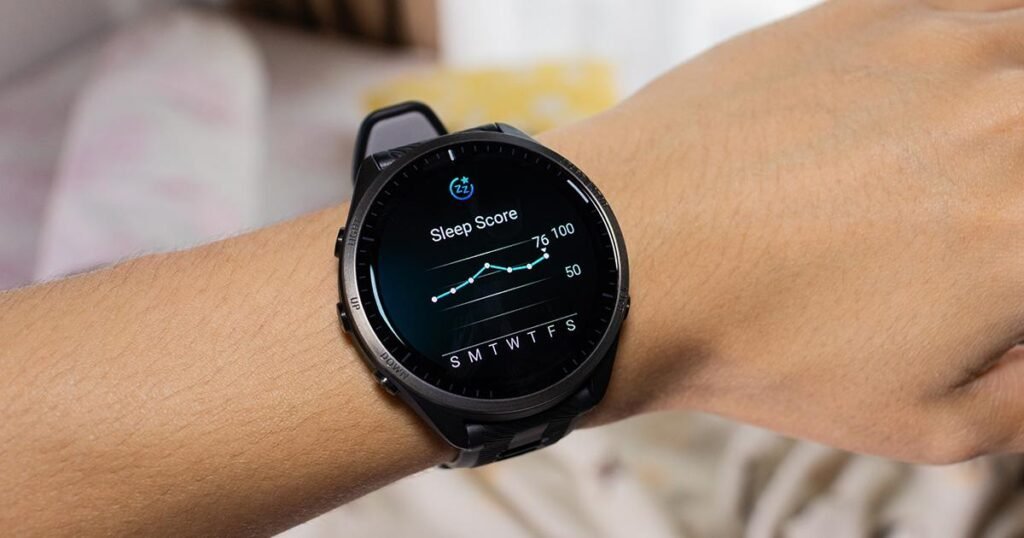
Yes, many modern sleep trackers estimate sleep quality using movement, heart rate, and sleep stage data.
Common devices include:
- Smartwatches
- Fitness trackers
- Sleep monitoring apps
While useful, these tools provide estimates rather than medical diagnoses.
What Factors Can Lower Your Sleep Quality Index?
Several factors can negatively affect sleep quality:
Stress
Mental stress can increase nighttime awakenings.
Caffeine
Late caffeine consumption may delay sleep onset.
Alcohol
Alcohol can disrupt REM sleep and overall sleep quality.
Irregular Sleep Schedules
Frequently changing bedtimes may reduce sleep consistency.
Sleep Disorders
Conditions such as:
- Insomnia
- Sleep apnea
- Restless legs syndrome
may significantly affect sleep quality scores.
Frequently Asked Questions
What is a Sleep Quality Index?
A Sleep Quality Index is a scoring system used to evaluate overall sleep quality based on multiple sleep-related factors.
What is considered a good sleep quality score?
Most scoring systems consider scores above 80 to indicate good sleep quality.
Can sleep trackers measure sleep quality?
Yes, although they provide estimates rather than clinical measurements.
Why is sleep quality important?
Good sleep quality supports recovery, memory, mood, immune function, and daily performance.
How can I improve my sleep quality index?
Consistent sleep schedules, healthy sleep habits, exercise, and stress management often improve sleep quality.
Conclusion
A Sleep Quality Index provides a more complete picture of sleep health than sleep duration alone. By evaluating factors such as sleep efficiency, sleep latency, sleep disturbances, and daytime functioning, it helps identify areas that may need improvement.
Tracking sleep quality over time can reveal patterns, encourage healthier habits, and support better overall well-being. Small changes in sleep habits often lead to meaningful improvements in both sleep quality and daily performance.