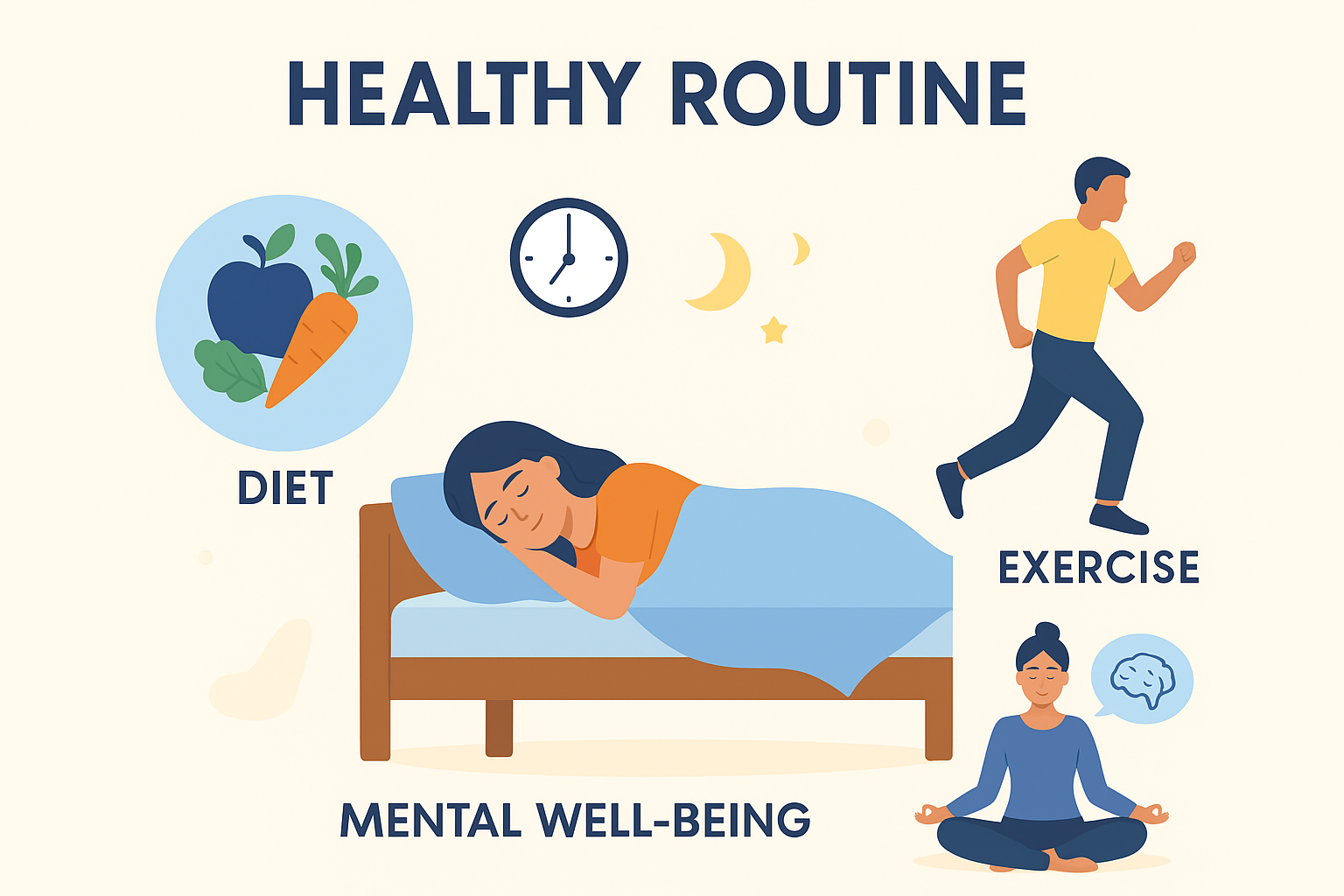
Taking care of yourself is probably one of the most essential things to do in today’s fast-paced world. Ranging from balancing your work, the people in your life, and the stress all the while dealing with digital distractions. Daily life is made of habits and routines, and one of the most important ones to build is a sleeping schedule. The research is clear. Sleeping well, and sleeping a lot is essential for an overall good quality of life and helps with things like: emphasizing control of emotions, and improving the functioning of your brain as well as your immune system.
Improving sleeping habits in the busyness of life is far from easy, but it is a necessity. Lots of people in the world suffer from systemically bad sleeping hours because of a choice in their life, a choice in the environment they live in, or a choice in the health problems they have. Fixing these issues should start with fixing the routines built around sleep. Since sleep is such an important part of the health and well being of an individual, and since sleep issues have such a large triad of problems built around them, this guide aims to provide a starting point for anyone to use in fixing their routines. The center point of this guide is sleeping well and using the sleep to build a healthy and consistent routine.
Importance of Having a Healthy Routine
Everyday, we wake up and sleep, but that is not a routine. Having a healthy routine is so much more than that. It is the sleep we get, the sleep schedule we maintain, physical movement we do, food we eat and the mental clarity. All of these combined are what makes life better. Here is why having a healthy routine is so important.
Physical Health
Lowering the chances of getting chronic diseases is possible by following a healthy routine. Having a healthy routine and getting enough sleep reduces the chances of getting obesity, diabetes, diseases of the heart, and even the possibility of having a stroke.
The immune system functions better, and the body is better able to combat a variety of infections when sleep is consistent, and there is a healthy routine that includes proper nutrition.
The maintenance of a healthy routine is facilitated by having energy and various types of stamina.
Impact on Mental and Emotional Wellness
In addition to positive changes in physical health, a healthy routine can make minor, and even major, improvements to and cognitive abilities, and overall brain function.
There is lower risk of stress mental health disorders. You cope and reduce the stress more easily and effectively.
It is a known fact that people with more structure in their life are more likely to stay in a healthy mental space and not get easily affected by sadness or other depressive factors in life.
Productivity and Lifestyle
You are better at managing your time outside and inside of a healthy routine. Pricing the different ways you can focus on tasks will make you appreciate the effectiveness of your time management skills more.
Having established a routine helps significantly in paving the way for an overall positive mindset in different areas of life particularly in healthy eating, sleeping, and physical activity.
People respond more positively in life when they have more structure in their day-to-day activities. Having an established routine leads to an overall increase in happiness.
Parts of a Proper Routine
How to customize a routine that suits every individual’s needs requires a function. There are multiple functions to consider. There is sleep, exercise, food consumption, and also mental health. All of these elements are necessary together for the health of the individual.
Sleep: The Most Important Part
Sleep, and poor sleep in particular, is classified under physical health and mental health. It involves specific practices and settings that are successful in attaining quality sleep over a period of time.
How to Sleep Properly
Get a Proper Sleep Schedule
Sleep schedules need to be the same every week for the individual to get the most for their sleep quality. They need to go to bed and wake up at the same time every weekday and weekend. This provides the best benefits for the body in adjusting to circadian rhythms and overall sleep quality.
Sleeping Conditions
Sleeping conditions need to be complete for quality sleep. It will be best to make sure that the room is dark, quiet, and kept at a low temperature. An investment into good quality pillows and mattresses will be helpful. Also, make sure to remove electronic devices that emit blue lights as they interact with melatonin.
Bedtime Preparation
Prior to bedtime, a routine needs to be established for getting the body into a state of relaxation for sleep. This includes things such as reading for pleasure, meditation, and warm baths.
No work, conversations, or screentime that could raise your stress levels are best to not do before going to bed.
Eating and Drinking
Make sure to stop drinking caffeine during the middle part of the day. Try to avoid alcohol and big meals, as well as drinking sugary stuff before going to bed.
Exercise
Exercise during the day, you should do some moderate workouts as they will make you sleep and will help with the energized feeling that some workouts bring. Don’t do any intense workout before leaving for bed.
How to Help Sleep Issues?
After staying in bed for more than 20 minutes, it’s best to do some activity that will help you relax in order to help you sleep.
You may want to consider tracking your sleeping habits to help you identify any patterns that may be more beneficial.
2. Food Choices
With sleep hygiene, routine, balance, and diet, in order to get the best outcome from all those aspects, to have the best all possible, it’s really important to have a diet that is balanced. There are important benefits to your body to have mental cognition, stabilization of your mood, and mental benefits as well. According to the Harvard Health Publishing, sleep hygiene is a vital determinant of both physical and mental health.
Some Guidelines Regarding Diet to Lead a Healthy Lifestyle.
- Make sure you have a wide selection of foods to choose healthy from. To range from healthy fruits, vegetables, grains, and proteins, to complex fats.
- Maintain proper habits surrounding your meal and food consumption, To, for example, establish meals and try to not eat large meals late in the evening.
- Make sure you are drinking enough water throughout the day and throughout the whole day being careful not to drink a lot of water right before you are going to sleep.
- Some nutrients more predictably help with sleep. Try to have some Magnesium, tryptophan, and B vitamins before going to sleep.
Foods Able to Promote Sleep
- Walnuts and almonds as they are both very nutritious and rich in Magnesium and Melatonin.
- Have a cup of Chamomile Tea: As this is well known for its calming effects.
- Dried cherries and Kiwi: As they are both well known for being some of the naturally obtained sleep-promoting foods.
- Oatmeal: As it is a food as it is also complex carbs that provide aid for the promotion of Melatonin.
3. Increasing Your Physical Activity
Add intrarunning to your to-do list in order to have some improvements to sleep, daily energy is also becoming more mental improvements for exercising daily to have a very ambitious energy state. Exercise offers a wide variety of benefits overall.
Here are some of the best guidelines for doing weekly exercise
- Keep it to 150 minutes of moderate movement in the exercising of the week.
Do mind-body exercises such as yoga or Pilates for flexibility and stress relief.
To avoid sleep deprivation, work out at least three hours before sleep.
- Mental Health and Stress Management
Equally important in a routine is addressing mental health as it relates to sleep, and productivity.
- Stress Relief Techniques
Mindfulness Meditation: 10- to 15-minute meditations every day improves focus and lowers anxiety.
Journaling for Gratitude: Improves sleep quality and instills a positive mindset.
Time Management: Improve planning efficiency with digital tools to organize tasks and mitigate stress.
Digital Detox: Use less screen and social media time, especially in the evenings.
- Daytime Habits for Optimal Health
Daytime behaviors can significantly influence your sleep quality and overall routine:
Morning Sun: Sunlight in the morning helps set your circadian rhythm.
Keep Daytime Naps Short: It’s advisable to keep naps to 20-30 minutes and before 3 PM.
Work Breaks: Maintain energy with short walks or stretches.
Emotional Health: Positive social experiences boost mental wellbeing.
- Building A Healthy Routine
Building a healthy routine requires your planning, consistency, and adaptability. Here’s a step-by-step approach.
Evaluate Your Habits
For a week, track sleep, nutrition, physical activity, and screen time.
Determine patterns, strengths, and gaps where improvement is needed.
Set Realistic Goals
Think about small changes, like getting to bed 15 minutes earlier each night.
Start with the habits that will impact you the most, like adjusting your sleep schedule and eating habits.
Create a Structured Daily Schedule
Pick out set times for waking, eating, working, exercising, relaxing, and sleeping.
Make sure your routine is loose enough so you can add in any unexpected events.
Monitor Progress
Use a diary or sleep-tracking app to keep track of your sleep, mood, and energy.
Make changes to your routine based on the results of your tracking.
Maintain Consistency
Keeping up with your habits is more important than being perfect. Small actions, done repeatedly, will create a lasting impact over time.
Make changes to your habits often to keep refocusing your motivation.
Common Challenges and How to Overcome Them
Obstacles can come up to any plan, so here are the most likely challenges with their challenges.
Challenge:
Solution:
Difficulty falling sleep
Establish a wind-down routine. Use screens and practice relaxing before bed.
Irregular work schedule
Use curtains that block the sunlight. Change your sleep schedule a bit at a time, and keep a portable sleep routine.
Stress and anxiety
Practice mindfulness techniques, journaling, or guided meditation before bed.
Lack of motivation
Start with small goals that are easy to accomplish, and work up to bigger goals.
Poor diet
Plan out your meals in advance. Eat less food that is made in a factory, and limit caffeine and alcohol.FAQs Regarding Healthy Routines
- How many hours should I sleep?
Most adults should be sleeping anywhere from 7-9 hours. This is different from each individual based on their age, lifestyle, and health.
- Can I take naps?
Napping is okay. Even a short nap can improve your sleep with little disruption. However, a long nap to be is sure to disrupt your sleep
- How long should I avoid caffeine?
Avoid drinking caffeine within 6 hours of bed if you want to be able to sleep. Avoid drinking periods and eating periods with all drinks like coffee, tea, energy drinks, caffeinated soda, and even chocolate.
- Are poor sleeping and exercise habits related?
The main reason you may be getting poor sleep is if you have not been getting much exercise. Engage in some moderate exercise every day. Also, do not do exercise right before going to bed.
- What if I can’t stick to a strict routine?
That is okay! Sleeping and meal timing is the most important, exercise can be a bit more flexible.
- Are there any sleep routine apps?
Most sleep tracking apps are in premium versions, however there are some good free trials available like Sleep Cycle, Pillow, Calm.
Practical 7-Day Healthy Routine Plan
It is a routine plan to create sleep hygiene by combining it with movement, nutrition, mediation and mental wellness activities for a week which is aimed to create a balanced and wholesome week.
Weekday Time Activity
Monday
Morning Wake up by 7, meditate for 10 minutes while getting some sunlight
Afternoon Go for a 30 minute walk, then have a healthy lunch
Evening Read, do some light exercise
Night Sleep by 10:30 pm
Tuesday
Morning Wake up by 7 and hydrate
Afternoon Do your work for the day and take short work breaks
Evening Do yoga for 20 minutes
Night Wind down and sleep by 10:30 pm
Wednesday
Morning Wake up by 7 and have a small breakfast
Afternoon Partake in moderate exercise
Evening Engage in a social activity
Night Sleep by 10:30 pm
Thursday
Morning Wake up by 7 and get some sunlight
Afternoon Do some focused work
Evening Take a relaxing bath
Night Sleep by 10:30 pm
Friday
Morning Wake up by 7
Afternoon After lunch, take a brief 20 minute nap
Evening Do some journaling and light stretching
Night Sleep by 10:30 pm
Saturday
Morning Wake up by 8 and have a light breakfast
Afternoon Do some outdoor activities
Evening Do some meditation
Night Sleep by 11
Sunday
Morning Wake up by 8 and get some sunlight
Afternoon Do a leisurely activity, then prep your meals for the week
Night Sleep by 10:30 pm
Conclusion
Establishing a healthy routine can greatly improve your overall life satisfaction, in turn positively affecting your physical and mental health.
The foundation of this routine is good quality sleep plus a variety of other components like good nutrition, exercise, mental health, and healthy habits during the day. There will always be challenges, but over time, with gradual changes, self monitoring, and going with the flow, there will be improvement physically, mentally, and in productivity.
This guide helps you control your daily life and improve your sleep, energy levels and body and mind. Remember, routines aren’t just projects. They are life long commitments that keep improving systems of your life.