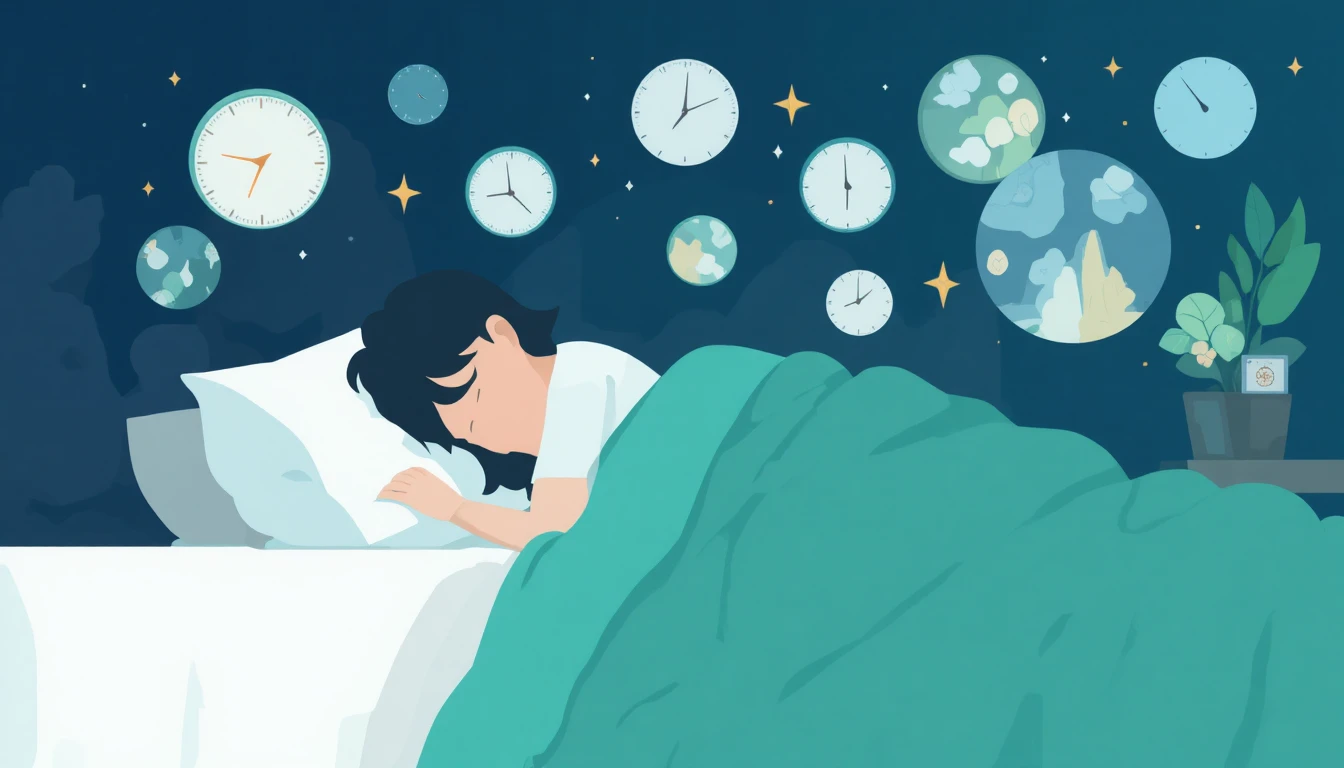
Biologically, we require sleep in order for many functions to operate properly. Sleep affects how well we function, how clearly we think, and how we feel. Considering how important sleep is, modern society functions in exactly the opposite way. It encourages us to stay up late, wake up early, and operate using very irregular sleep schedules. This has resulted in us accumulating what has been dubbed sleep debt.
Sleep debt manifests itself in more than simply tiredness. It has been shown to have a negative influence on your health, your emotional wellbeing, the way your mind functions, and it increases the chances of chronic health complications. For a life to be healthy and long, it is important to understand the phenomenon of sleep debt, the effects it has, and how to recover from it.
This is a resource for shedding more light on sleep debt and how to recover from it. This resource has been built using recent findings from sleep debt research, public health perspectives, and clinical evidence to assist in restoring your balance of sleep for good. It allows for the identification of sleep debt, its impacts and main causes, and the most effective ways to recover from it.
What is Sleep Debt?
The term sleep debt sleep deficit is defined as the difference between how much sleep a person is meant to get and how much they sleep. Similarly to sleeping to owe money for some time. For example, a person is meant to sleep for 8 hours every week but sleep for 6 hours, a deficit week is built up to 14 hours. This deficit builds up such emotional and physical stress over time.
The deficit of sleeping hours builds up even further over weeks, months, or even years at a time. Some sleep consequences are more severe depending on the time shape. However, in the long term, sleep debt is risked to develop a range of different health problems like compromised immune system, mental health issues, and even improper metabolism.
How Sleep Debt Differs From Other Forms Of Debt
Gradually over time without even knowing, sleep debt accumulates. This is something that is very easy to overlook until it begins to show in various consequences like tiredness.
Sleep deprivation is more than just a lack of sleep. Sleep deprivation manifests in everyday tasks by making you more forgetful during activities like driving or being more likely to make a mistake at your job. If you’ve noticed a lack of sleep or sleep deprivation affecting your everyday tasks, this lack of sleep may even lead to being tired. Whereas things like hunger and thirst will signal your body to feel tired, there is no real body signal to indicate a lack of sleep.
H3 Age Wise Sleep Debt
According to the NIH (National Institute of Health), there are guidelines followed by sleep research entities where people are categorized by age. Their recommended sleep hours are as follows:
Adults (18 – 64 from fall of the year): 7 – 9 hours
Elderly (65+): 7 – 8 hours
Teenagers: 8 – 10 hours
School age: 9 – 12 hours
Young toddlers and infants 11 – 14 hours (of sleep on average, depending on their age).
If you are getting any consistent amount below that, you are incurring debt.
H3 Example of How Sleep Debt Can Accumulate
Let’s say the sleep debt equation says to get 8 hours of sleep and you are, on average, getting 6 hours of sleep on the weekdays (Monday through Friday).
It will be around 10 hours of sleep debt.
Two hours lost each night. Over 5 weekdays.
By Friday, you are in debt 10 hours of sleep.
Even after that, many people recreate the lost sleep hours during the weekend. You will be able to refocus and balance your metabolic system a little; however, not much. And you will not be able to recover from the long-term impacts as much from sleep restriction to be minimally impacted in the future.
H3 Sleep Debt: Short Term Vs Long Term
Short term sleep debt results from 1 to 3 nights of sleep deprivation. Some symptoms you may experience include fatigue, emotional irritability, reduced ability to focus, and processing reactions more slowly. If this is the case for you, you may want to consider getting more sleep.
Long term sleep debt is even more dangerous and includes the following:
- disruption of the endocrine system
- more illnesses
- greater risk for metabolic and weight issues, and worsening of existing problems
- poor heart health
- Increased emotional instability
- reduced cognitive function, and memory issues
Chronic sleep debt is like the chronic of the stress of the systems of every organ, and can also lead to severe sleep debt. Long term sleep debt can impact every single vital organ system.
Factors contributing to sleep debt
So many things can contribute to sleeping debt, and it is very important you recognize these sleep debt factors to find the right help.
Irregular Sleeping Patterns
Diverse sleep patterns and wake cycles can disrupt your circadian rhythm – our natural rhythm also known as the internal body clock. This occurs frequently with:
- Students
- Shift Workers
- Screen users at night
- Frequent travelers between countries with different time zones.
When sleep patterns are inconsistent, melatonin is secreted at varying, and often, irregular cycles, making it even more difficult falling – and staying – asleep.
Emotional Distress
Stress and emotional turbulence is also absence of sleep. Stress, in addition to making resting more difficult, augments the background cortisol level in your system, while anxiety adds extra unnecessary, cycle-impeding, thoughts.
Night-time Screen Exposure
Engagement with your electronic devices, such as phones, tablets, and televisions, during the bedtime hours also affects the secretion of melatonin. Since melatonin is the sleep-inducing hormone, it means your sleep is likely to be hung up anywhere between 20 to 90 minutes.
Current Way of Living
Being overworked and overstudying leaves little time for sleep and for entertainment, and this results in a troubling sleep deficit, most likely due to constantly underestimating sleep needs.
High Caffeine Consumption
Caffeine has a half-life of around six to eight hours. So, a person sipping coffee or energy drinks in the late hours of the day will make it harder for them to sleep, and this will prevent them from getting the slow-wave. This stage is the most restorative sleep.
Disorders of Sleep (Some of these affect accumulation of sleep debt, including):
- [Insomnia]: Insomnia is a sleep disorder that affects a person’s ability to sleep and/or stay asleep. This includes the following: trouble falling asleep, waking up during the night, and trouble getting back to sleep, or waking up to start your day and are unable to go back to sleep.- Sleep Apnea: Disorders of sleeping with sleeping and wake cycles separated by apnea are more common than you would think. If you believe you simply snore and sleep through the night you might be more of a sleep apnea than you would like to know. People with sleep apnea are impacted all hours of the day.
- Restless Leg Syndrome: People with RLS syndrome are compelled to move all the time. This compulsion becomes more prominent during the night when a person tries to go to sleep.
- Circadian Rhythm Disorders: Disruptions to sleep can result from a myriad of different events and occur for a number of reasons, such as shift work and poorly planned holidayout vacations.
Even with how much time a person is spending in bed, none of these illnesses provide any sort of restorative sleep.
Environmental Disruptive Sleep
Good sleep can be disrupted by external factors such as noise and light, as well as the fluctuation of the room temperature and bedding. A person can lie in bed for what should be a full night’s sleep, but after 5 of those 7 hours of sleep, a person is functioning at a diminished capacity.*
Effects of Sleep Debt on Body and Mind
Almost every system in the body can be impacted and changed by the sleep debt building up. Among the most sleep restricted, sleep debt can impact hormone levels, immune system function, brain activity, appetite regulation, heart and lung function, emotion regulation, and more. These are some of the most well-known.
Cognitive Impairment and Memory Decline
Sleep is essential for maintaining a healthy brain and for the following needs:
- Focus
- Problem-solving
- Learning
- Memory consolidation
- Reaction to stimuli
Sleep deprivation causes your brain to have a harder to time carrying out the activities above and causes the following symptoms:
- Reduced focus
- Mental fog
- Contemplative sluggishness
- Reduced quality of decisions
- Unlearnable
Over a long timeframe, chronic sleep deprivation can mimic the same effects alcohol does on the brain
Disturbances of Mood and the Emotions
Sleep deprivation causes people to suddenly and uncontrollably lose their temper.
Common symptoms include:
- Irritability
- Anxiety
- Difficulty of controlling emotions
- Mood swings
- Lower stress tolerance
Sleep deficiency in longer runs can lead to increased chances of depression and anxiety.
Imbalance of Hormones
Cortisol, insulin, leptin, and melatonin are some of the key hormones sleep helps to maintain.
Sleep debt causes these to get out of balance and can lead to:
- Increased appetite
- Increased cravings
- Higher fat storage
In more extreme cases, stress responses can worsen.Unstable blood sugar
Weight Gain and Metabolic Issues
Research indicates a direct relationship between sleep deprivation and increased weight gain. Decreased sleeping hours result in increased secretion of the hunger hormone (ghrelin), as well as the decreased secretion of the satiety hormone (leptin).
The result of this hormone imbalance includes:
- Increased appetite.
- Overeating.
- Higher cravings for sugary and more calorically dense foods.
- Decreased energy for physical activity.
The following conditions result from chronic sleep deprivation:
- Obesity.
- Metabolic syndrome.
- Insulin resistance.
- Higher risk of developing type 2 diabetes.
Impaired Immune System
When the body sleeps, it produces infection-fighting proteins, known as cytokines, which help the body. Insufficient sleep leaves the body vulnerable to:
- Viral illnesses.
- Seasonal infections.
- Prolonged wound healing.
- Chronic inflammation.
People with high sleep debt are often sick.
Cardiovascular Stress
Longstanding sleep deprivation is directly linked to:
- Hypertension.
- Higher resting heart rate.
- Stiffer arteries.
- More inflammation.
- Increased risk of heart attacks and strokes.
Insufficient sleep for just one week can lead to noticeably increased blood pressure.
Decreased Physical Performance
This phenomenon is especially prominent in athletes, as sleep debt is felt most quickly by this population. They experience:
- Increased muscle fatigue.
- Prolonged periods of muscle recovery.
- Decreased physical strength and coordination.
- Lack of motivation to engage in physical activity.
Without sleep, the repair and replenishing done by the body during sleep cannot happen, leading to the problems outlined above.
Recovery from Sleep Debt: Solving the Issue.
Recovering from sleep debt is simply a matter of consistency and a plan. Here are a few methods backed by research to help achieve a healthy sleep pattern.
Step 1. Calculate Your Sleep Debt.
The first step to recovering from sleep restriction is understanding how much sleep you’re missing. For this exact purpose, a sleep debt calculator was designed. It is able to provide information on:
- Ideal sleep hours
- Actual sleep hours
- Daily deficit
- Weekly/monthly accumulated sleep debt
Having this number can help you set concrete recovery goals.
Step 2. Add Sleep in Incremental Steps
You need to avoid jumping from a few hours of sleep to the recommended 9-10 hours of sleep. Doing this will only create more disruption in your circadian rhythm. Sleep will need to be added in smaller increments at a time.
The optimal method is to start incrementally extending the duration of your sleep by 15 to 30 minutes each night on a weekly basis. Also remember to…
- Get up and go to bed at the same time every day
- Allow time for your body to adapt to the change
Step Three — Sleep Hygiene Improvements
Sleep Hygiene are the habits and the environment of your sleep debt. You can work on sleep debt by:
- Maintaining a calm and dark bedroom
- Avoid screen time for one to two hours before going to bed
- Avoid caffeine consumption after mid-afternoon
- Avoid eating a large meal right before sleeping
- Sleep on a mattress that is comfortable and with bedding that you enjoy
- Set the room to a colder temperature
- Only use your bed for sleeping
These habits will improve the quality and productivity of your sleep.
Step Four — Consistency of Circadian Rhythm
Your internal clock requires a reliable structure to properly function.
Sleep and wake at the same time every day. Get sunlight exposure in the morning. Limit naps to 20–30 minutes. Avoid oversleeping on weekends. Regulating your circadian rhythm makes it easier to erase sleep debt.
Take Short Restorative Naps Strategically.
The risk of sleeping at night diminishes every time you take a longer nap after 30 minutes. Sleeping on and off for an afternoon with a shorter nap and slightly longer sleep at night will result in improved alertness and reduced tiredness and low mood. Recovery is the goal of a nap but it is never a substitute for night sleep.
If you have a medical condition that puts you in a sleep debt, new habits will not fix the problem. Talk to a healthcare provider. Symptoms of sleep debt can include loud snoring, waking a lot, struggles to sleep, waking with a gasp, or legs that are twitching or restless. Day time sleepiness is also common and people can spend long periods of time in bed.
Long term recovery comes once you address the root of the issue.
Catch-Up Sleep on Weekends: Helpful but Limited
There is such a thing as “catch-up sleep!” Sleeping on weekends is catch up sleep and helps with sleepiness, inflammation, and overall reaction times in studies. It can also help with regulated cortisol levels.
However, it doesn’t mean these long term consequences such is metabolic balance, cognitive function, and even weight regulating hormones, would not exist. Cardiovascular strain is also inevitable long term.
Weekend catch-up sleep is not a real solution, it is only a bandaid.
How long does it take to recover sleep debt?
That is a function of how much of a sleep deficit you actually have.
General Recovery Estimates
Based on research, the rule of thumb is that for every one hour a person loses sleep, it take four days for a person to recover.
Moderate sleep debt (10-15 hours) sleep debt recovery time for a person is one to two weeks.
Chronic or severe sleep debt, the recovery time would take one month or longer.
Recovery time example
If a person sleeps only six hours a night and, in fact, should be sleeping eight hours, that means they are constantly losing sleep debt every night.
That is two hours of deficit lost for every night, or 14 hours over a week, over 56 hours for a month.
In this scenario, overcoming a 56 hour sleep deficit necessitates a long term and sustained shift rather than simply short periods of extra sleep.
Sleep Debt Calculator: Importance
The sleep debt calculator gives the user the opportunity to quantify the degree of their current sleep deficit and define sleeping patterns to comprehend the required sleep target, as well as enabling them to monitor their progress and keep their sleep debt awareness across a long term time frame.
Sleeping calculators do improve the public perception of sleeping, and the public perception of sleeping betterment.## When To See A Doctor
The following shows some medical conditions you might suffer from:
Sleeping and feeling the fatigue;
Waking up several times sleeping;
Snoring and waking up from coughing fits;
Daytime sleepiness and feeling tired while at work or driving;
Unexplained irritability;
Need for coffee in order to avoid falling asleep;
Waking up with a headache;
Suffering from poor concentration, and poor recall;
Assessing the medical aspects of your problems could help reveal what might be causing the sleep deprivation, giving you the opportunity to address the issue before serious consequences arise from the sleep deprivation or the potential problems you face from sleep deprivation.
Frequently Asked Questions
Will I ever be able to eliminate all of my sleep debt?
Yes, That said, it usually takes some days or several weeks of consistent good sleep for the recovery to actually happen. That being said, if you’ve accumulated your debt over a long period of time, recovery will take even longer compared to someone with a consistent short term sleep debt.
Can sleeping a lot on the weekends help recover sleep debt?
To some extent, sleeping longer on weekends can help recovery from sleep debt.
Nevertheless, due to the restricted weekend nature of this method, recovering your sleep debt consistently will be nearly impossible, meaning a long term recovery still won’t be feasible.
How dangerous is sleep debt?
If sleep debt occurs on a regular basis, one hour or more within a single day, it’s very unhealthy. More so if the accumulated sleep debt exceeds ten hours within a week. That affects one’s health in a means of depression, cognitive problems, and issues related to the heart, along with serious risks of other health problems and metabolism issues.
Can naps reduce sleep debt?
While short naps aren’t able to substitute for the benefits of a full deep sleep cycle of one night, they are helpful for the alertness of a person and for the smaller reduction of sleep pressure.
What is the fastest way to recover sleep debt?
A more gradually longer sleep each day, more so in avoiding caffeine, improved sleep hygiene and shifted controlled light exposure for a consistent sleep schedule.
Is sleep debt worse than pulling an all-nighter?
However, a single all-nighter does cause temporary impairment, so long term restricted sleep is worse. It has more serious ramifications just like chronic sleep debt, and it’s more likely to be associated with many unhealthy conditions.
Why Do Some People Seem To Be ‘Used To’ Less Sleep?
People’s bodies get used to exhaustion. Sleep is a necessary function, but the mind begins to perform under the expectation that less sleep is adequate, and the level of performance does not remain the same.
Conclusion
The absence of sleep is a quantifiable phenomenon that affects one’s total physical, emotional, and mental well-being. Sleep debt is the cumulative result of disrupted sleep owing to a variety of factors, including chronic lifestyle habits, stress, medical issues, and the sleep hygiene deficit which silently influences almost every bodily system.
The good news is that sleep debt is something that can be alleviated and managed with the right procedures. Almost everyone can bring back the equilibrium of their performance and sleep and safeguard their wellness with the aid of a strict and consistent routine. To better their performance, users can utilize a sleep tracker to comprehend and monitor their sleep debt.
The foundation of a good quality of life is good quality sleep. Not only does placing a high priority sleep now diminish the chances of having health difficulties later, but it also allows a person to function with the mental acuity and energy to perform optimally.