Introduction
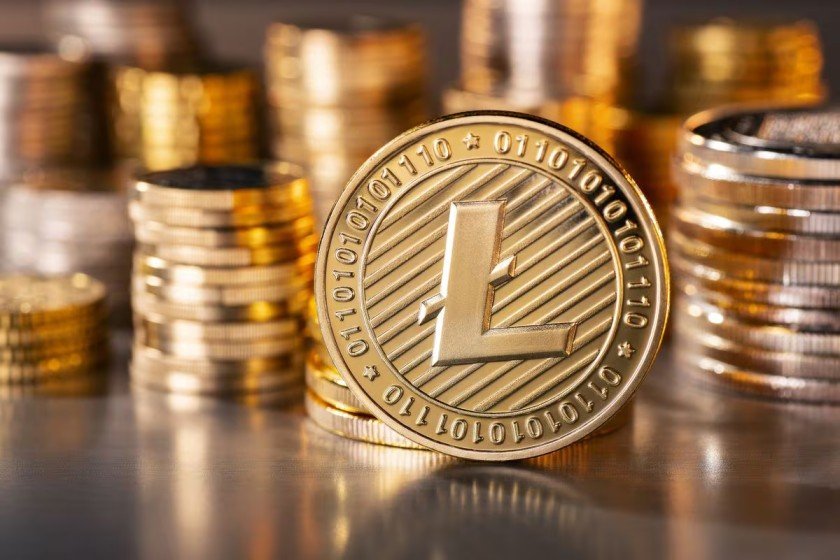
Litecoin (LTC) is one of the most reliable and enduring of the more than 24,000 cryptocurrencies available. Litecoin helps with the digital economy functioning as “silver to Bitcoin” and facilitates transactions more quickly and with more efficient block chain usage. Decentralized and trustworthy Litecoin has more utility than most digital transactions and has and ongoing network maintaince with upgrades.
LTC is the longest running alternative to Bitcoin and during the time period has accumulated more actor utilities than most. This guide goes beyond just alt and btc include the aspeccts of the utilities, the history technologies, and the utility performances of the other monetary contenders of the world. This piece has the utility Alex built to use and then later defend and explain to other traders the work of a world alternative monetary utility.
LTC
Litecoin is a peer to peer cryptocurrency which allows users to peer in a secure, low-cost, and fast digital payments record. Litecoin function withocyt the needed of any other, centruly, or esp. Litecoin is designed to em(In copper lite) to Bitcoin with speed and scale.
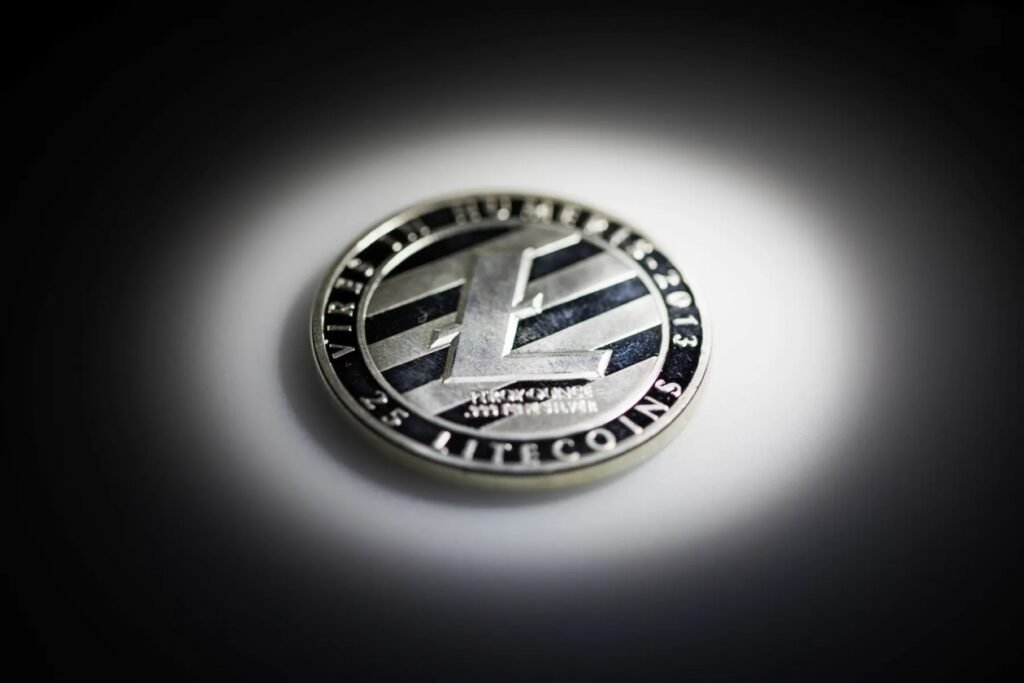
The features that characterize Litecoin include:
- Completely decentralized blockchain.
- Faster block generation time (2.5 mins).
- Lower fees.
- Higher maximum limit (84 million coins).
- Use of Scrypt-based Proof-of-Work mining algorithm.
Due to these attributes, Litecoin is commonly used for day-to-day transactions, payment remittances to other countries, and for settlement with merchants.
History and Evolution of Litecoin
The Beginning
Litecoin was launched on October 13, 2011, with Charlie Lee, once a Google engineer, at its helm. Lee wanted to create a cryptocurrency that preserved the tenets of Bitcoin, but enhanced its transaction utility at a retail level. To achieve this, Lee did not want to compete with Bitcoin, but to complement it by offering a ‘lite’ alternative.
Major Events
2011–2014: Initial Litecoin Adoption
Litecoin grew in popularity as it offered technical improvements compared to Bitcoin, and it was one of the first altcoins with a mainstream following as a result of the thriving community and its open-source development.
2017: Litecoin SegWit Activation
Litecoin became one of the first significant cryptocurrencies to adopt Segregated Witness (SegWit) which was a substantial upgrade at the time.
2017: First Successful Lightning Network Transaction
Litecoin was able to cross-border transact and proved the possibilities of the Lightning Network with the transaction completed in less than one second.
2019-2023: Continued Protocol Improvements
Litecoin kept tweaking its protocol and and kept improving its security, privacy, efficiency, and network efficiency. During this time, Litecoin kept its position as one of the largest cryptos by market cap.
2023 Onward: The Halving Litecoin undergoes a halving event roughly every four years. This event reduces the block reward and influences the network’s supply. In previous halving years, the market has upsurged interest in the LTC. This event tends to also affects general market behaviors as the halving date approaches.
Litecoin’s Functionality
Litecoin adopts a fully decentralized blockchain, providing a secure and immutable layer to record all transactions. After every transaction one block is added to the blockchain. This activity is validated using the Proof of Work.
Litecoin Scrypt Algorithm
Litecoin’s Scrypt algorithm, in contrast to Bitcoin’s SHA-256, is set to encourage more widespread mining participation by using memory-heavy workloads. Although initially to combat the prevalence of ASIC mining (Application Specific Integrated Circuit) within the network, ASIC farms have been able to adjust to Scrypt gaining the network more centralization within the mining activity.
Transaction Confirmation Times
Litecoin has a 2.5-minute block time meaning that a new block is added to the blockchain every 2.5 minutes. This block time is 4 times faster than that of Bitcoin. This feature improves the transaction confirmation time of the blockchain.
Transaction Fee
Litecoin has managed to achieve some of the lowest transaction fees within the blockchain space. This has made the network one of the most popular options for microtransactions as well as for cost-effective international remittances.
Supply and Scarcity
Total supply: 84 million LTC
Halving cycle: Every 840,000 blocks (~4 years)
Litecoin’s total supply as of now is 84 million LTC as this ensures long-term supply and value preservation.
Litecoin vs Bitcoin
Litecoin and Bitcoin pair together and play complimentary roles together in the crypto ecosystem.
1. Transaction Speed
Bitcoin: 10 minutes per block
Litecoin: 2.5 minutes per block
This allows Litecoin to process a greater number of transactions in a shorter amount of time.
2. Maximum Supply
Bitcoin: 21 million
Litecoin: 84 million
This greater supply allows for Litecoin to be more easily accessible.
3. Mining Algorithm
Bitcoin: SHA-256
Litecoin: Scrypt
This algorithm was developed to increase the amount of decentralized participants in mining.
4. Transaction Fees
Litecoin usually has less fees as a result of having a faster transactions and block structure.
5. Use Case and Positioning
- Bitcoin is mainly seen as a secure storage of value.
- Litecoin is seen as a quick, uncomplicated means of transferring value.
Litecoin Use Cases and Real-World Adoption
1. Everyday Payments
Litecoin’s low fees and quick transactions make it an easily usable cryptocurrency for any type of retail transaction.
2. Cross-Border Transfers
In the use of conventional banking systems for international money transfers, the money transfer becomes pricey as well as a lengthy endeavor. Litecoin, however, mitigates these concerns completely, allowing for instantaneous and seamless transfers at low fees without the necessity of a middleman.
3. Merchant Solutions
Through popular crypto payment gateways, various merchants utilize Litecoin as a form of payment. This encompasses: \- Cryptocurrency-Compatible E-Commerce Platforms \- Online Service Providers \- Retail Businesses Using Cryptocurrency Payment Software
4. Trading and Investment
Litecoin continues to be one of the most traded cryptocurrencies, and is available on almost all of the leading exchanges. For this reason, many traders tend to use LTC as a result of its ample liquidity and significant presence within the marketplace.
5. Blockchain Testing and Innovation
Litecoin often serves as a test net for certain features that may be incorporated into Bitcoin down the line. The adoption of SegWit and the Lightning Network are also decent examples.
How to Buy Litecoin
Buying Litecoin is simple, and most reputable exchanges have a similar process.
Step 1: Choose a Cryptocurrency Exchange
Pick an exchange such as:
1. Binance
2. Coinbase
3. Kraken
4. Bitfinex
5. Your local region specialized exchange
Step 2: Complete Registration and Verification
Most major sites will have the following registration procedures.
1. Providing your email address
2. Verifying your identity (KYC)
3. Enabling Two-factor authentication
Step 3: Deposit Funds
Once your registration has been completed you can fund your account in any of the following ways:
1. Bank transfer
2. Credit of debit card
3. Cryptocurrency
Step 4: Buy Litecoin
Visit the site’s trading interface and purchase LTC using:
1. a market order
2. a limit order
Step 5: Store Litecoin Securely
For maximum security, implement any of the following:
1. A hardware wallet
2. A desktop wallet
3. A mobile wallet
4. A paper wallet
Large sums of Litecoin should be kept off exchanges as a general security guideline.
Storing Litecoin: Wallet Options Explained
1. Hardware Wallets
Offline devices such as a Ledger and Trezor can store LTC securely.
2. Software Wallets
This comprises desktop and mobile applications such as:
1. Exodus
2. Trust Wallet
3. Atomic Wallet
3. Web Wallets
These wallets, while convenient, are not as secure as the alternative hardware wallets. If you intend on keeping a large amount of crypto in a wallet, go for a hardware wallet.
4. Paper Wallets
These are highly secure and consist of printed private keys.
Litecoin Mining Explained
Litecoin mining consists of using your computer’s processing power to validate transactions and create additional blocks in the blockchain.
Mining Rewards
As a miner, you earn LTC for each block you validate. Your reward will reduce by 50 percent at the end of each 4-year cycle.
- Mining Activities
- Solitary Mining
- Mining Pools
- Cloud Mining (Less Recommended Option)
Required Hardware
To compete in Scrypt, LTC mining, modern ASIC miners are required.
Pros and Cons Regarding Litecoin
Pros
- Transaction confirmations happen swiftly.
- There are minimal costs incurred.
- The network is reliable.
- The platform supports and values patron engagement.
- There is an active community.
- The network is scalable.
Cons
- Advancements made in blockchains are highly competitive.
- Mining through Scrypt ASIC fosters centralization.
- There are no internal smart contracts, like those in Ethereum.
- The price fluctuates significantly.
Historical Data on Litecoin
Litecoin price fluctuates based on cycles within the market, halving, regulations, and the growth of the ecosystem. The price of an asset is highly influenced by its volume.
Historical phases include:
- Initial growth (2011-2013)
- The crypto boom (2017-2018)
- The global bull run (2020-2021)
- 2022-to-date, market corrections and stable performance.
- Litecoin boasts an impressive volume of trade and an equally impressive history of resilience.
- Litecoin in Relation to Other Cryptocurrencies
Litecoin is often compared to other leading cryptocurrencies
Litecoin vs Ethereum
- For Ethereum, the focus is on smart contracts.
- For Litecoin, the emphasis is on payment efficiency and speed.
Litecoin vs Bitcoin Cash
- Litecoin has a stronger reputation
- Bitcoin Cash aims for payments with lower fees, but has even lower adoption.
Litecoin vs Ripple (XRP)
- XRP is much more centralized than Litecoin’s network
- XRP is focused on transactions for banks; Litecoin is for the average user.
Is Litecoin a Good Investment?
This is a subjective question, depending entirely on your financial goals, risk profile, and investment time.
Factors driving investment consideration for Litecoin include:
- Historical strength and longevity
- Payments utility
- Deflationary supply
- Active development
- Liquidity
Potential risk factors:
- Market volatility
- Fees and regulatory pressures on faster competitors
- Market regustructions
- Market Regulations.
Like all cryptocurrency, Litecoin requires a high degree of research and risk management.
Litecoin Investment Outlook
A few trends suggest a positive long-term outlook for Litecoin:
Technological Developments
Litecoin is adopting new technologies that enhance user experience and improve network efficiency.
More Merchant Adoption
LTC is accepted as a means of payment by more and more businesses around the world.
Cross-layer and Interoperability Innovations
Litecoin and the Lightning Network and atomic swaps are rapidly expanding new use cases for Litecoin.
More Established Regulation
Established blockchains such as Litecoin may benefit from the increased trust of regulated frameworks as cryptocurrencies mature.
Top 5 Best Alternatives to Litecoin (LTC)
1. Bitcoin Cash (BCH)
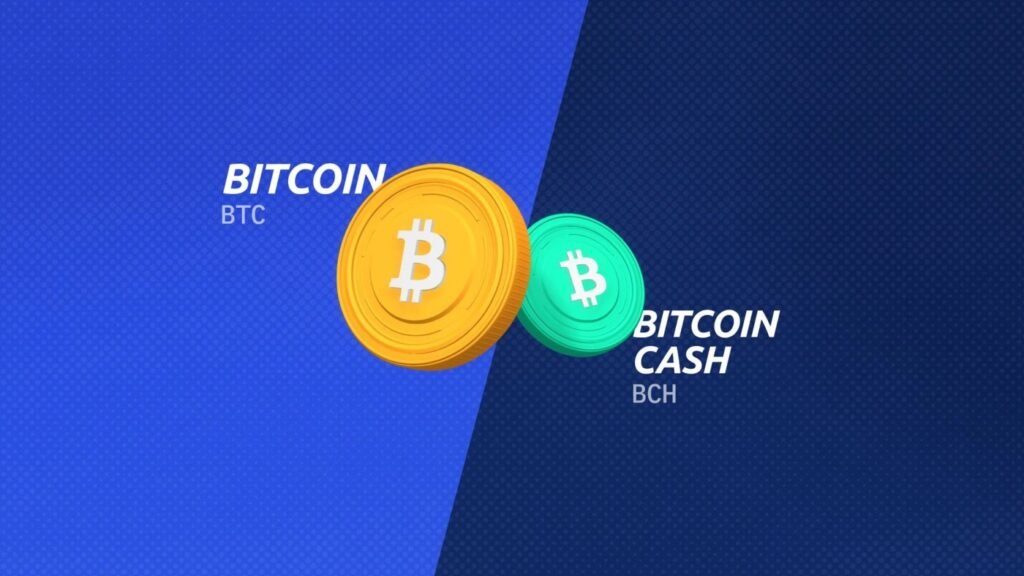
Why it’s a strong alternative: Bitcoin Cash seeks to enhance transaction speed and reduce fees, which are the same objectives Litecoin aims to achieve. Bitcoin Cash also remains a strong competitor to Litecoin, particularly as a payment-focused cryptocurrency.
Key Features
- Considerable block size resulting in higher throughput
- Transactions are instantaneous and carried at minimal cost
- Has an unwavering commitment to payment as genuine advancements in the financial world
Pros
- Very minimal fees which are comparable to LTC
- Lots of acceptance by numerous peers in the marketplace
- Possesses a strong, stable, and consistent underlying system
Cons
- Less decentralized than Bitcoin
- Constant competition from new entrants in the cryptocurrencies marketplace
2. Dash (DASH)
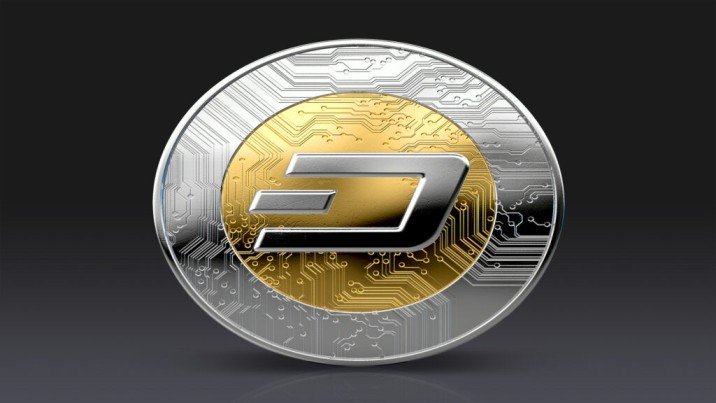
Why it’s a strong alternative: Dash is designed specifically to allow users perform rapid, private, and secure transactions of digital cash. Its near-instant transfer system allows everyday users to conveniently transact.
Key Features
- Integration of InstantSend and PrivateSend features
- Possesses a Masternode governance system
- Merchant strong adoption in certain regions
Pros
- Transactions highly instantaneous
- Has an option of confidentiality
- Features a highly streamlined governance system
Cons
- Confidential features are not enabled within certain territories
- Less popular than Litecoin
3. Stellar Lumens (XLM)
Why it’s a strong alternative: Stellar aims to provide cross-border payments, remittance services and integration of financial services, while at times, charging fees lesser than Litecoin.
Key Features
- Minimal transaction costs
- International transfers that are expeditious
- Collaborations with banking institutions
Pros
- Transfers on a global scale are optimal.
- Mechanism that reaches a consensus that is an eco-friendly way.
- Times of settlement that are rapid.
Cons
- Rivalry with Ripple (XRP).
- Unlike LTC, there is less emphasis on payments that are decentralized.
4. Ripple (XRP)
Reasons why it’s a strong alternative:
International transfers of money are instantaneous and involve low fees, which are the reasons why Ripple is popular with banks and payment network transfers.
Key Features
- Settlement that is instantaneous (within seconds).
- Tailored to enterprises and institutions.
- Payments network that is highly scalable.
Pros
- Incredibly fast transfers.
- Significant adoption by banking institutions.
- Cost of transactions is low.
Cons
- Much of the supply is controlled by Ripple Labs, which is a concern.
- In certain areas regulatory issues are problematic.
5. Nano (XNO)
Reasons why it’s a strong alternative:
Due to a block-lattice architecture, Nano is recognized for its rapid peer-to-peer transactions with no fees.
Key Features
- Transactions that are instant and free of charge.
- Energy consumption is low.
- With a distinct block-lattice design.
Pros
- Transactions have no fees.
- Payments are made with exceptional speed.
- Lightweight with low ecological impact.
Cons
- There is less support with exchanges when compared to LTC.
- There is less adoption by the merchant class.
Summary Table (Quick Comparison)
| Cryptocurrency | Speed | Fees | Best Use Case | Strength |
|---|---|---|---|---|
| Bitcoin Cash (BCH) | Fast | Low | Retail payments | Scalability |
| Dash (DASH) | Very Fast | Low | Private & instant payments | InstantSend |
| Stellar (XLM) | Very Fast | Ultra low | Cross-border transfers | Banking partnerships |
| Ripple (XRP) | Very Fast | Low | Enterprise remittances | Global payment rails |
| Nano (XNO) | Instant | Zero | Everyday microtransactions | Fee-less design |
Conclusion
Litecoin is one of the most upstanding and dependable of the numerous coins in the cryptocurrencies market. It’s quick and effortless, while also being inexpensive, and secure, which makes it an excellent choice for transactions, trading, and efficient and effective long-term holding. Consistent development and adoption for Joule has proved itself time and time again, through even the most infinitesimal of costs, to be flats on the map of cryptocurrencies, Litecoin, through consistent development and adoption over the past decade, Joule, is efficient and effective even in the most infinitesimal of costs.
Whether you are evaluating Litecoin for potential investments, for daily transaction usages, or want to dive deeper into understanding blockchain technology, LTC provides a unique blend of innovation, stability, and utility. Litecoin has and will be poised to serve as a reliable, effective instrument for exchange.
Frequently Asked Questions (FAQ)
1. Is Litecoin better than Bitcoin?
Being faster and cheaper, Litecoin is better. Bitcoin, on the other hand, is better recognized, and it’s a stronger store of value than Litecoin. They complement each other.
2. What is Litecoin used for?
For merchant transactions, everyday payments, trading, remittances, and blockchain testing.
3. Is Litecoin safe?
Certainly. Litecoin is one of the most secure and stable blockchain networks, although it is also the responsibility of the users to safely store their coins.
4. How many Litecoins are left to mine?
With the maximum supply of 84 million, many have already been mined, and new LTC is gradually added to the supply until the last halving cycle.
5. Can Litecoin be mined at home?
One of the requirements to mine is the use of specialized Scrypt ASIC machines. Home mining is no longer an option because the use of standard computers is no longer feasible.
6. Is Litecoin good for beginners?
Certainly. It is straightfoward, inexpensive, and is supported by a wide range of exchanges and wallets.
7. Does Litecoin have smart contracts?
Not natively, as Litecoin does not emphasize decentralized applications, but rather focuses on the efficiency of payment processing.