

You may spend eight hours in bed every night, but how much of that time are you actually asleep? The answer is measured by your sleep efficiency percentage.
Sleep efficiency percentage compares the amount of time you spend sleeping with the total amount of time you spend in bed. It is one of the most useful measurements for understanding sleep quality because it reveals whether your nights are restful or filled with long periods of wakefulness.
This complete guide explains what sleep efficiency percentage means, how to calculate it, what a healthy range looks like, and practical ways to improve your score.
What Is Sleep Efficiency Percentage?
Quick Answer
Sleep efficiency percentage is the proportion of time spent asleep compared with the total time spent in bed, expressed as a percentage.
For example, if you spend 8 hours in bed but only sleep for 7 hours, your sleep efficiency percentage is:
(7 ÷ 8) × 100 = 87.5%
A higher percentage generally indicates more continuous and efficient sleep with fewer nighttime disruptions.
Why Does Sleep Efficiency Percentage Matter?
Many people focus only on sleep duration, but the quality of those hours is equally important.
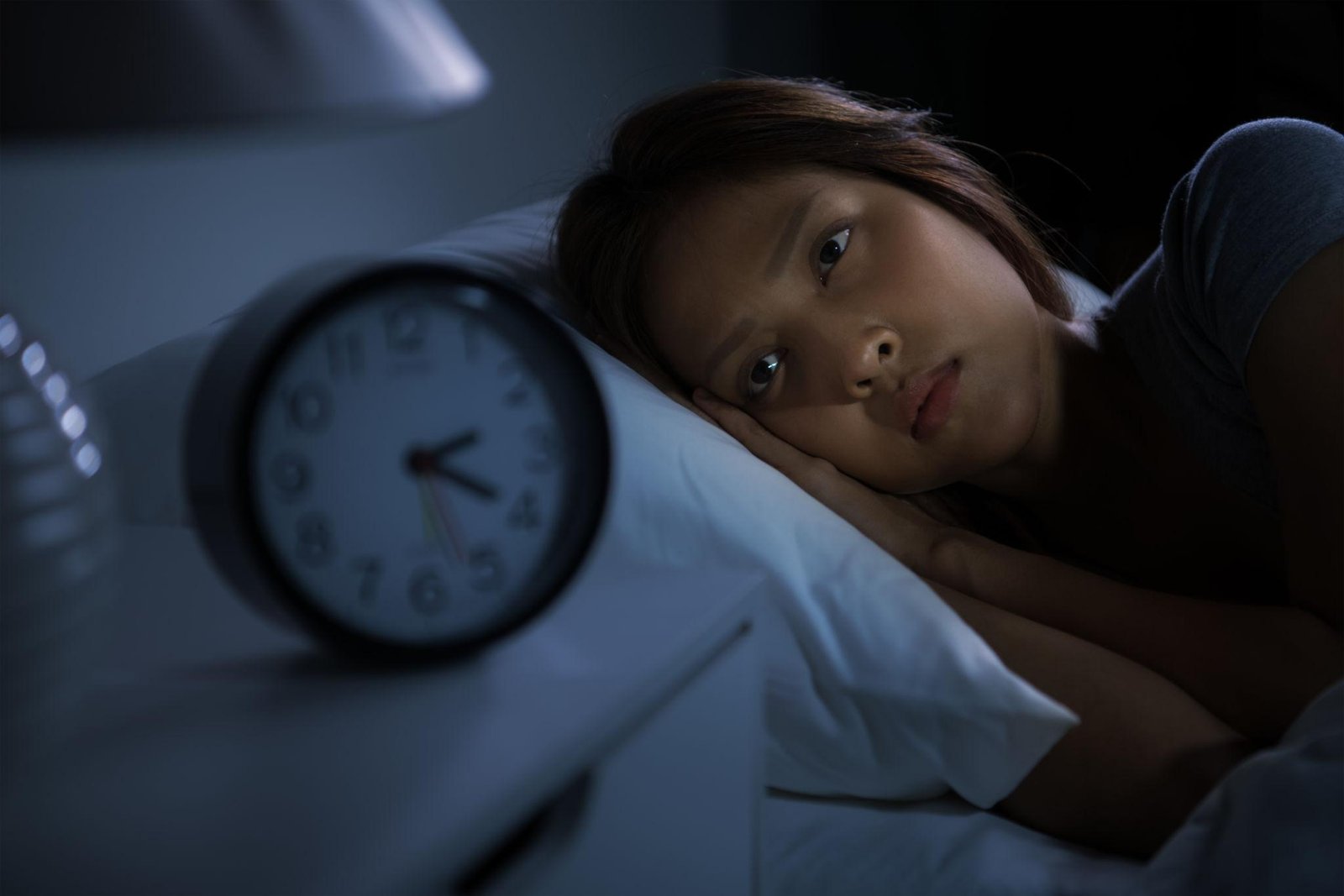
Two people can spend the same amount of time in bed but experience very different sleep quality.
| Person | Time in Bed | Actual Sleep | Sleep Efficiency Percentage |
|---|---|---|---|
| Person A | 8 hours | 7.75 hours | 96.8% |
| Person B | 8 hours | 5.5 hours | 68.7% |
Although both individuals stayed in bed for eight hours, Person A received significantly more efficient and restorative sleep.
High sleep efficiency is commonly associated with:
- Better daytime alertness
- Improved concentration
- More stable mood
- Reduced daytime sleepiness
- Better overall sleep satisfaction
How Is Sleep Efficiency Percentage Calculated?
Quick Answer
Sleep efficiency percentage is calculated by dividing total sleep time by total time spent in bed and multiplying the result by 100.
Sleep Efficiency Formula
Sleep Efficiency (%) = (Total Sleep Time ÷ Total Time in Bed) × 100
Example Calculation
Imagine your sleep record shows:
- Bedtime: 11:00 PM
- Wake-up time: 7:00 AM
- Total time in bed: 8 hours
- Time awake during the night: 1 hour
- Actual sleep time: 7 hours
Calculation:
7 ÷ 8 × 100 = 87.5% sleep efficiency
You can use a Sleep Efficiency Calculator to quickly calculate your sleep percentage without doing the math manually.
Sleep Efficiency Percentage Chart
The following table explains the general interpretation of sleep efficiency scores.
| Sleep Efficiency Percentage | Meaning |
|---|---|
| 95% and above | Excellent sleep efficiency |
| 85%–94% | Healthy and normal sleep efficiency |
| 75%–84% | Fair sleep efficiency; improvements may help |
| Below 75% | Poor sleep efficiency and frequent wakefulness |
These ranges are guidelines and may vary based on age, health conditions, and individual sleep patterns.
What Is a Good Sleep Efficiency Percentage?
Quick Answer
For most adults, a sleep efficiency percentage of 85% or higher is considered healthy.
People with good sleep efficiency typically:
- Fall asleep within 15–20 minutes
- Experience fewer awakenings
- Return to sleep quickly after waking
- Wake feeling more refreshed
A consistently lower percentage may indicate poor sleep habits, stress, environmental disturbances, or an underlying sleep condition.
What Causes a Low Sleep Efficiency Percentage?
Several factors can reduce your sleep efficiency.
Lifestyle Factors
- Irregular sleep schedules
- Consuming caffeine late in the day
- Alcohol before bedtime
- Excessive screen time at night
- Stress and anxiety
Environmental Factors
Poor bedroom conditions can include:
- Bright lights
- Loud noises
- Uncomfortable bedding
- A room that is too warm or too cold
Sleep and Health Conditions
Long-term low sleep efficiency may be associated with:
- Insomnia
- Sleep apnea
- Chronic pain
- Anxiety disorders
- Certain medications
Persistent sleep problems should be discussed with a healthcare professional.
How to Improve Your Sleep Efficiency Percentage
1. Keep a Consistent Sleep Schedule
Going to sleep and waking up at the same time every day helps maintain a healthy circadian rhythm.
2. Avoid Staying Awake in Bed for Long Periods
If you are unable to sleep after approximately 20 minutes, try a relaxing activity in another room until you feel sleepy.
3. Optimize Your Bedroom Environment
Improve your sleep setting by:
- Keeping the room cool and dark
- Reducing noise
- Using comfortable pillows and mattresses
- Limiting electronic devices before bedtime
4. Exercise and Get Natural Daylight
Regular physical activity and morning sunlight can support a stronger sleep-wake cycle.
5. Monitor Your Complete Sleep Health
Sleep efficiency should be evaluated alongside:
- Total sleep duration
- Sleep debt
- Sleep cycles
- Sleep consistency
Use a Sleep Debt Calculator to understand accumulated sleep loss and a Sleep Calculator to determine your ideal bedtime and wake-up time.
Sleep Efficiency Percentage vs Sleep Quality
Although connected, these terms describe different aspects of sleep.
| Sleep Efficiency Percentage | Sleep Quality |
|---|---|
| Measures the percentage of time asleep while in bed | Describes how restorative and satisfying your sleep feels |
| Calculated using sleep time and time in bed | Influenced by deep sleep, REM sleep, interruptions, and comfort |
| Focuses on sleep continuity | Reflects physical and mental recovery |
A person may have a high sleep efficiency percentage but still experience poor sleep quality due to other health or lifestyle factors.
Expert Tip: Track Your Weekly Average
Do not judge your sleep based on a single night. Looking at your average sleep efficiency percentage over several weeks provides a more accurate picture of your sleep health.
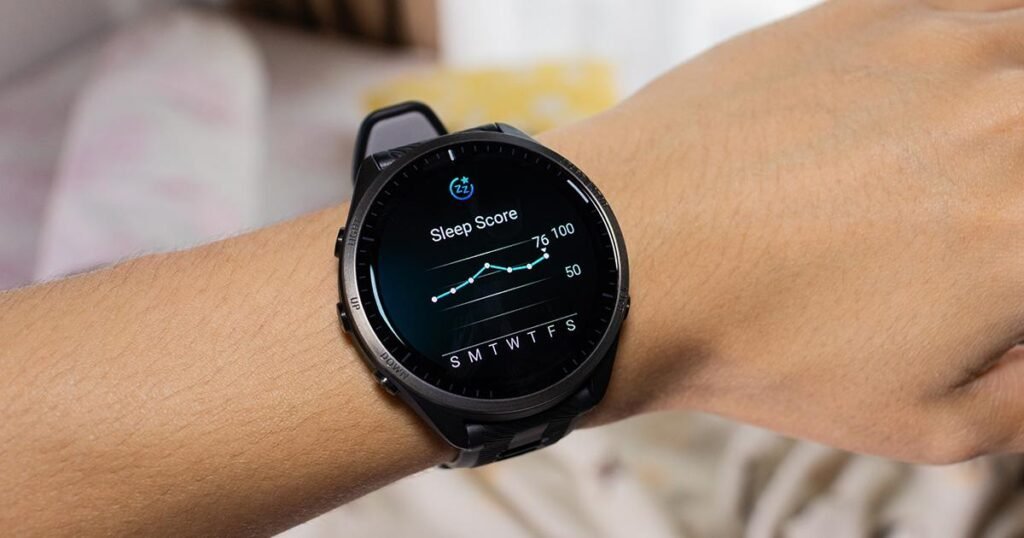
Sleep journals, wearable devices, and mobile apps can help you identify patterns affecting your sleep.
Frequently Asked Questions
What is a normal sleep efficiency percentage?
A normal sleep efficiency percentage for most adults is generally 85% or higher.
Is 90% sleep efficiency good?
Yes. A score around 90% usually indicates efficient sleep with limited time spent awake during the night.
Is 70% sleep efficiency bad?
A sleep efficiency percentage of 70% suggests significant wakefulness while in bed and may indicate a need to improve sleep habits or discuss concerns with a healthcare professional.
How do I calculate my sleep efficiency percentage?
Divide your total time asleep by your total time in bed and multiply the result by 100.
Can improving sleep habits increase sleep efficiency?
Yes. Consistent schedules, a better sleep environment, stress management, and reducing stimulants can significantly improve sleep efficiency over time.
Conclusion
Your sleep efficiency percentage is an important indicator of how effectively you sleep. A score of 85% or higher generally reflects healthy sleep, while lower percentages may suggest interruptions, difficulty falling asleep, or poor sleep habits.
By monitoring your sleep efficiency, improving your nighttime routine, and using tools such as a Sleep Efficiency Calculator, Sleep Debt Calculator, and Sleep Calculator, you can build better sleep patterns and wake up feeling more refreshed.
Pingback: What Is Sleep Efficiency? Meaning, Formula & Ideal Sleep Score -